
Kashafrud river - رودخانه کشف رود
اینجا درباره رودخانه کشفرود ایران مینویسم
Kashafrud river - رودخانه کشف رود
اینجا درباره رودخانه کشفرود ایران مینویسمدرباره من
 از اونهام که می گم آدم بایست حرف خودشو بزنه، اما یاد گرفتم که هر حرفی رو تو جاش بزنم، اینجا، هرچی می خوام رو می گم
ادامه...
از اونهام که می گم آدم بایست حرف خودشو بزنه، اما یاد گرفتم که هر حرفی رو تو جاش بزنم، اینجا، هرچی می خوام رو می گم
ادامه...
حیات وحش کشفرود
حیات وحش متنوعی داره. من دیدم که تصاویری از روباه و شغال مال این منطقه رو تو اینترنت گذاشته اند. با همین اسم حیات وحش کشفرود جستجو بزنید پیداشون میکنید. روباه، و جوجه تیغی رو بگم که هنوز که هنوزه در سرتاسر کشفرود و حتی در دانشگاه فردوسی مشهد رویت شده، اما برخی موجودات منطقه مثل لاک پشت و خرچنگ هستن که رو به انقراض هستند و به ندرت یافت میشوند. دلیلش هم واضحه:
گسترش شهرها و شهرنشینی. تا همین چند وقت پیش مناطقی به اسم چهاربرج و کلاته برفی در صفحات جستجوی کار مشهد پیدا نمیشد. این مناطق روستاهایی از شهر توس بودند. اخیرا پدیده شهرنشینی تا شمس آباد شهر توس به شدت نفوذ کرده و افزایش سموم دفع آفات در منطقه و هر آنچه که شهر را از حیات وحش و مناطق حفاظت شده جدا میکنه در حال رخ دادن است. ممکن است در یک نقطه و فضای کوچک باقی مانده از تغییرات منطقه به سمت شهرنشینی چندین گونه جانوری پیدا کنی که بر سر اندک مکان و غذای باقیمانده در جدال برای حیات باشند. یعنی به جز گرمایش زمین، سموم دفع آفات و فاضلاب شهری، عامل کمی جا نیز برای حیات وحش باقیمانده را بعنوان دلیل حذف گونه های خاص و مهم زنجیره اکوسیستم منطقه باید در نظر گرفت.
شهر توس، نمونه خاصی از حیات وحش کشفرود تا به امروز داشته است. توس که گویی از توث و یا توت گرفته شده، شهری مهم در مسیر جاده ابریشم بوده است. این شهر، اتصال به مرو و افغانستان و ترکمنستان را مسیریابی میکرده است. دو مسیر راه ابریشم، یکی در مسیر خود رودخانه کشف بوده و دیگری مسیر به سمت کلات بوده که این شهر را مهم میکرده است. کاروانها هنگام تجارت از آن عبور میکردند. به جهت امنیت و شهرت این شهر، این مکان پایتخت خوبی برای مامون بود که میخواست از قبایل عرب دورتر شود. با پایتخت شدن این شهر، مامون امام رضا را با عنوان ولایت عهدی به این شهر کشاند که مردمش بسیار به او علاقه مند بودند.
شهر توس با توتستان هایش شهرت داشت. هنوز که هنوزه درختان توت و توتستان های زیادی در کنار سایر درختان باغی مثل آلبالو گیلاس در این منطقه یافت میشود. البته، چند سالی است که پدیده خشکسالی با تمایل مردم منطقه به شهرنشینی بیشتر رخ نموده و روستاهایی مثل کلاته برفی، شهرت سابق خود را از دست داده اند.
از جمله موجودات حیات وحش کشفرود عقاب است. عقاب تا منطقه چهاربرج شهر توس رویت شده است.
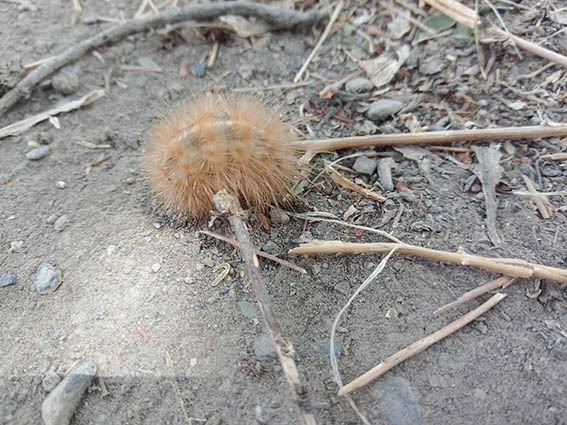
امروز، گونه ای از کرم های ابریشم را یافتم که گفته میشد بیشتر در مناطق زاگرس و جنوب کشور دیده میشوند. این کرم که به گربه نوروزی معروف است، فقط در فصل بهار است که بیشتر دیده میشود. کرم پشمالویی که عکسش را اینجا گذاشتم، در معرض انقراض است:
چند مورد کرم ابریشم دیگر نیز جای درختان توت جای پل فردوسی کشفرود دیده ایم که در وسط شهر مشهد دیگر یافت نمیشوند. این کرم ها که در اطراف درختان توت یافت میشوند، از گونه معروف و سفید رنگ نوغان داری نیستند، ولی همین ها که بیشتر در جنگل ها و مناطق حفاظت شده یافت میشوند در باروری درختان و گل ها نقش مفیدی دارند.
چند مورد جدید عنکبوت در منطقه یافت شده است که اینها هم در معرض انقراض هستند.
_______________
It has a diverse wildlife. I saw that they posted pictures of foxes and jackals from this area on the internet. Search with the same name, Kashafrud Wildlife, and you will find them. I will mention foxes, which are still seen throughout Kashfrud and even at Ferdowsi University of Mashhad, but there are some creatures in the area that are facing extinction and are rarely found. The reason is clear:
The expansion of cities and urbanization. Until recently, areas called Chaharborj and Kalateh Barfi could not be found on Mashhad job search pages. These areas were villages in Toos city. Recently, the phenomenon of urbanization has penetrated as far as Shamsabad in Toos city, and the increase in pesticides in the area and everything that separates the city from wildlife and protected areas is changing and destroying the area. You may find several species of animals in a small spot and space left over from the region's changes towards urbanization, fighting for survival over the little space and food left. That is, in addition to global warming, pesticides and urban sewage, the small space factor for the remaining wildlife should also be considered as a reason for the elimination of special and important species of the ecosystem chain of the region.
The city of Tus has been a special example of the wildlife of Kashfrud to this day. Tus, which seems to be derived from Tuth or Tut, was an important city on the Silk Road. This city was a route connecting to Merv, Afghanistan and Turkmenistan. Two Silk Road routes, one on the Kashf River itself and the other on the route to Kalat, made this city important. Caravans passed through it during trade. Due to the security and reputation of this city, this place was a good capital for Mamun, who wanted to get away from the Arab tribes. With this city becoming the capital, Mamun brought Imam Reza to this city as a sworn governor, whose people were very interested in him.
The city of Tus was famous for its Tutistans. There are still many mulberry and strawberry trees in this area, along with other garden trees such as cherries. Of course, for several years now, drought has occurred due to the tendency of the people of the area to become more urbanized, and villages such as Kalateh Barfi have lost their former fame.
Among the wildlife creatures of Kashfarud is the eagle. The eagle has been seen as far as the Chaharborj area of Toos city.
Today, I found a species of silkworm that was said to be seen more in the Zagros and southern regions of the country. This worm, known as the Nowruz cat, is seen more often only in the spring. The woolly worm whose photo I posted here is endangered:
We have also seen several other silkworms in the place of mulberry trees in Kashfarud, which are no longer found in the middle of Mashhad. These worms, found around mulberry trees, are not the famous white-colored species of moths, but they are mostly found in forests and protected areas and play a beneficial role in the fertility of trees and flowers.
ترور قاضی احسان باقری، فعال محیط زیست
قاضی احسان باقری، فعال محیط زیست و بلاگر که پرونده های متعددی در زمینه حفاظت از محیط زیست و منابع طبیعی داشت، امروز با سلاح سرد ترور شد!
وی که سی و هشت سال سن بیش تر نداشت، با بیش از دوازده سال سابقه در دادگاه کیفری شیراز مشغول به کار بود. او که با ارائه تصاویر بکرش از طبیعت شهرت جهانی یافته بود، صبح امروز به ضرب چاقو شهید شد.
احسان باقری متولد ممسنی، در پی دفاع از محیط بانان، جلوگیری از وقوع سیلاب و پدیده های رودخانه خواری بود. او پیگیر قانون حمل سلاح محیط بانان و دوستدار محیط زیست بود.
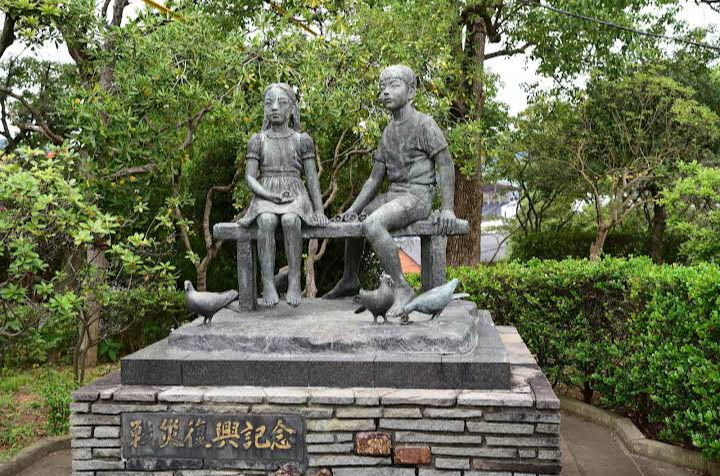
پ.ن: عکس تزئینی از پارک صلح هیروشیما
_____________
Assassination of Judge Ehsan Bagheri, Environmental Activist
Judge Ehsan Bagheri, an environmental activist and blogger who had numerous cases in the field of environmental protection and natural resources, was assassinated with a cold weapon today!
He was no more than thirty-eight years old and had been working in the Shiraz Criminal Court for more than twelve years. He had gained international fame with his pristine images of nature, and was stabbed to death this morning.
Born in Mamasani, Ehsan Bagheri was seeking to defend park rangers, prevent floods and river eating. He was a supporter of the law on carrying weapons for park rangers and was an environmentalist.
P.S.: Decorative photo of Hiroshima Peace Park
رودخانه سن که دهه هفتاد شمسی میراث تاریخی و فرهنگی جهانی شد
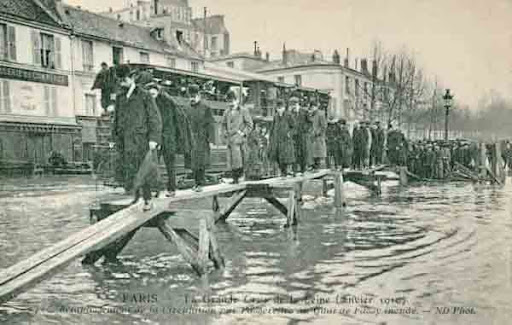
رودخانه هشتصد کیلومتری سن از پاریس هم رد میشود. مثل حرم امام رضا که ازش تصاویر قدیمی مربوط به صدسال پیش داریم از این رودخانه هم عکس هایی داریم که پل روی رود سن رو در کنار برج ایفل نشان میدهد. یعنی عکاس هنری بوده که به طریق هنری و کارت پستالی عکس برج ایفل رو که میگرفته باید پل روی این رود را هم نشان میداده.
در طول این صد سال فرانسوی ها یک وظیفه مهم داشتن: حفظ رود سن در میان کشوری رو به توسعه. چرا این رود به وضعیت مشابه رودهای ایران مواجه نشده؟
به دلیل مدیریتی حاکمش. فکرش رو بکنید همین پارسال که المپیک 2024 پاریس برگزار شد، چند نفر اعلام آمادگی کردن که حتما در این رودخانه شنا خواهند کرد. یکی از آنها امانوئل مکرون رئیس جمهور مشهور فرانسه بود. او که برای شرکت دادن فرانسه در جام جهانی روسیه کلی هزینه کرده بود، این بار قصد داشت قبل از اینکه سه گانه شنای المپیک 2024 در پاریس برگزار شود خودش در این رودخانه شنا کند تا تمیزی این رود را به نمایش بگذارد.
میگویند برای تمیز کردن این رود قبل از مسابقات المپیک پاریس 1.4 میلیارد یورو خرج کرده اند. هی آب این رودخانه رو تست کرده اند و هی به تمیزی آن مبادرت ورزیده اند.
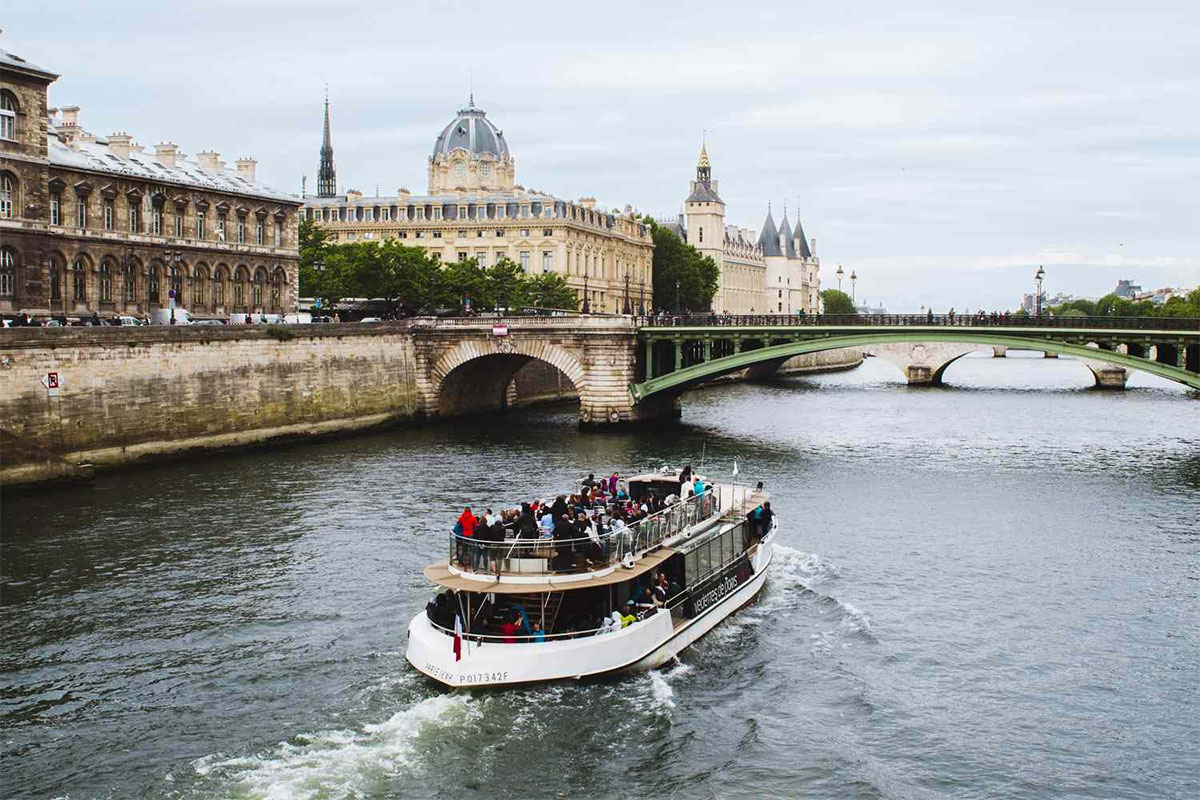
با این وجود دو روز قبل از برگزاری مسابقه شنای سه گانه باران شدیدی میگیره. این باران که از جمعه آغاز شده بوده و تا شنبه ادامه داشته، فاضلاب را به آب آن رودخانه وارد میکرده. این شده که خود شهردار پاریس دست به کار میشه و این بار میزنه به آب!
کدام مدیر و شهرداری در ایران سراغ داریم که چنین شجاعتی داشته باشه؟
با این حال، رسانه های انگلیسی که در ایران هم به شدت مشغول بوده اند، آن بخش از اخبار شنای ورزشکاران در رودخانه سن را پوشش داده اند که دچار تهوع و استفراغ شده اند؛ رسانه ها اعلام کرده اند که ورزشکاران بعد از شنا در رودخانه سن دچار تهوع و استفراغ شده اند.
شنا در رودخانه سن صد سال ممنوع بود. یکی از دلایل آن همین آلودگی بود، ولی فقط شنا ممنوع بود. رودخانه را نبسته بودند. یکی مثل شهردار مشهد به این رودخانه کال و خشکرود نگفته بود. گردشگری درگیری نداشت که آرزوی رودخانه سن را داشته باشه، ولی به خشکرودی کشفرود راضی بشه. کشفرودی که بارها در شاهنامه پانصد سال پیش بهش اشاره شده و شعرها درباره اش سروده. رودخانه ای که قدمتش به رود نیل برمیگرده.
وقتی جستجو میکنی رودخانه سن دقیق میگه 777 کیلومتر و وقتی عدد رو رند میکنن میگن: 800 کیلومتر.
این در مورد کشفرود صادقه؟ نه، رودخانه 94 کیلومتری به عدد کمتر 90 کیلومتری تقلیل پیدا میکنه. باز وقتی رویش کار میکنن به عبور از فقط شرق مشهد تقلیل پیدا میکنه. اونقدر تقلیل پیدا میکنه که صورت مساله خشکی آن پاک میشه و چیزی ازش باقی نمی مانه! اینم از عجایب روزگاره.
_______________________
The 800-kilometer Seine River also passes through Paris. Like the Imam Reza Shrine, of which we have old pictures from a hundred years ago, we also have pictures of this river that show the bridge over the Seine River next to the Eiffel Tower. That is, it was an artistic photographer who, in an artistic and postcard way, took a picture of the Eiffel Tower and should have shown the bridge over this river as well.
During these hundred years, the French have had an important task: to preserve the Seine River in the middle of a developing country. Why hasn't this river faced a similar situation to the rivers of Iran?
Because of its dominant management. Think about it, just last year, when the 2024 Paris Olympics were held, several people announced their readiness to swim in this river. One of them was the famous French President Emmanuel Macron. He, who had spent a lot of money to have France participate in the World Cup in Russia, this time planned to swim in this river himself before the 2024 Olympic swimming triathlon was held in Paris to demonstrate the cleanliness of this river.
They say they spent 1.4 billion euros to clean this river before the Paris Olympics. They tested the water of this river and tried to clean it.
However, two days before the triathlon competition, it rained heavily. This rain, which started on Friday and continued until Saturday, was pouring sewage into the river. This is why the mayor of Paris himself is taking action and this time he is throwing it into the water!
Which manager and municipality do we know in Iran that has such courage?
However, the English media, which has also been very busy in Iran, has covered the news of athletes swimming in the Seine River who have experienced nausea and vomiting; the media has announced that athletes have experienced nausea and vomiting after swimming in the Seine River.
Swimming in the Seine River was banned for a hundred years. One of the reasons for this was the pollution, but only swimming was banned. They had not closed the river. Someone like the mayor of Mashhad had not called this river a dead river. Tourism did not have to struggle to aspire to the Seine River, but to settle for the dry riverbed of Kashfrud.
When you search for the Seine River, it says exactly 777 kilometers, and when they round up the number, they say: 800 kilometers. The kashafrud that was mentioned many times in the Shahnameh five hundred years ago and poems were written about it. The river whose history goes back to the Nile River.
Is this true about Kashfrud? No, the 94-kilometer river is reduced to a smaller number of 90 kilometers. Then, when they work on it, it is reduced to passing only east of Mashhad. It is reduced so much that the problem of its dryness is erased and nothing remains of it! This is one of the wonders of the times.
تپه قادر آباد کشفرود
سالها پیش، در بسیاری از دهات درون کشور نیازی به دادگاه و دادگستری نبود، تا تعیین مجازات کنند. در آن زمان که عشایر ایرانی به تازگی یکجانشینی اختیار کرده بودند، خداوند در جامعه رسوخ داشت و بر آن فرمانروا بود. خواست او کافی بود تا بدکاران را به کیفر برساند.
قدمت تپه تاریخی قادرآباد را به ششصد هزار سال پیش تخمین زده اند. قهرمان روستائیان چوپانی بود که با کمک سگ وفادارش از گله گوسفندان در برابر راهزنان دفاع میکرد. او برای این دفاع از سنگ های تراشیده شده و چوب و نیزه کمک میگرفت.
در آن زمان، دام ربایی یا پس گرفتن دام ها مفهومی جنگی بود که برایش تدارکات جنگی می دیدند. پیروزی شامل بردن ماده گاوها و محاصره زنان، و بچه ها بود. محاصره نبرد، پیروزی، آشفتگی و شادمانی مفاهیمی آشنا برای چوپانان قهرمان تپه قادر آباد بودند.
جنگل و بازی چوپانها در میان آن، در امتداد کشفرود بود. عده ای به کشاورزی مشغول بودند و عده ای ماهی های بزرگ قدر اژدها شکار میکردند. آنها با قایق هایی قدر کشتی روی رود سوار میشدند و مسافتی طولانی تا آرامگاه فردوسی کنونی طی میکردند.
حکیم ابولقاسم فردوسی، بسیاری از داستانهای خود را برمبنای آبرسانی به بعد از آرامگاه تا پل خاتون، مرز افغانستان کنونی سروده است:
چنان اژدها
چوپانان پس از بازی، وقتی منظره های صید ماهی پدیدار میشد، با قایق های کنار خشکی، ماسه هایی که خرچنگها بر رویش میدویدند، بوی ماهی های خشک شده را که استشمام میکردند، شاهد حضور انواع پرندگان بالای صید میشدند: مرغابی، اردک، لک لک و چکاوک و سایر پرنده ها. آخرین پرنده ای که حضور پیدا میکرد، جغد بود. غذای جغد با سایر پرنده ها متفاوت بود. او به شکار موش ها در تاریکی و زیر نور ماه میرفت.
به مرور زمان که مسیر کشفرود به سان اژدهایی در حرکت به سمت پایین تر رفت، تپه متروکه شد و خالی از صید و ماهی گشت. پرنده ای آنجا پر نمیزد، جز جغد شب و خفاش های سرشب. این شد که داستان آن سینه به سینه تا زمان فردوسی در شاهنامه نقل شد و از آن پس جغدی نماد تپه قادر آباد شد. این جغد را به صورت نمادین، در یکی از باغ های آرامگاه فردوسی درست کرده اند و بالای تنه یکی از درختان چنار باغ گذاشته اند:
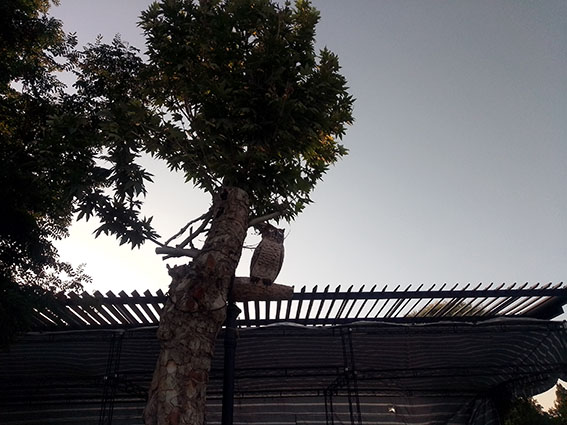
این جغد هنوز هم هست و باید کمی دنبالش بگردین.
آدرس: شهر باستانی توس، آرامگاه فردوسی، درخت چنار
____________
Many years ago, in many villages in the country, there was no need for courts or justice to determine punishment. At that time, when Iranian nomads had just settled down, God was in control of society and ruled over it. His will was enough to punish the wicked.
The historical hill of Qaderabad has been estimated to be six hundred thousand years old. The hero of the villagers was a shepherd who, with the help of his faithful dog, defended his flock of sheep against bandits. He used carved stones, sticks, and spears to help him in this defense.
At that time, cattle kidnapping or the recovery of livestock was a concept of war for which they made war preparations. Victory consisted of taking the cows and surrounding the women and children. The siege of battle, victory, chaos, and joy were familiar concepts for the heroic shepherds of Qaderabad hill.
The forest and the shepherds' games in the middle of it were along the Kashfrud. Some were engaged in agriculture and some were hunting large fish as big as dragons. They would ride on the river in boats as big as ships and travel a long distance to the current Ferdowsi tomb.
Hakim Abul Qasem Ferdowsi composed many of his stories based on the water supply from the tomb to Pul-e Khatoon, the current border of Afghanistan:
Like a Dragon
After playing, when the scenery of fishing appeared, the shepherds would see the boats on the shore, the sands on which crabs ran, and the smell of dried fish, and they would witness the presence of various birds on the catch: ducks, geese, storks, larks and other birds. The last bird to appear was an owl. The owl's food was different from other birds. It would hunt mice in the dark and under the moonlight.
Over time, as the path of the Kashfarud River moved downward like a dragon, the hill became abandoned and devoid of fishing and fish. No birds flew there, except for the night owl and the bats at dusk. This story was passed down from generation to generation until the time of Ferdowsi, and since then, an owl has become the symbol of Qader Abad Hill. This owl has been symbolically created in one of the gardens of Ferdowsi's tomb and placed on top of the trunk of one of the Plantine trees in the garden.
This owl is still there and you have to look for it a little.
Address: Plantine Tree, Ferdowsi Tomb of Tus city, Mashhad, Iran
پرورش ماهی کشفرود
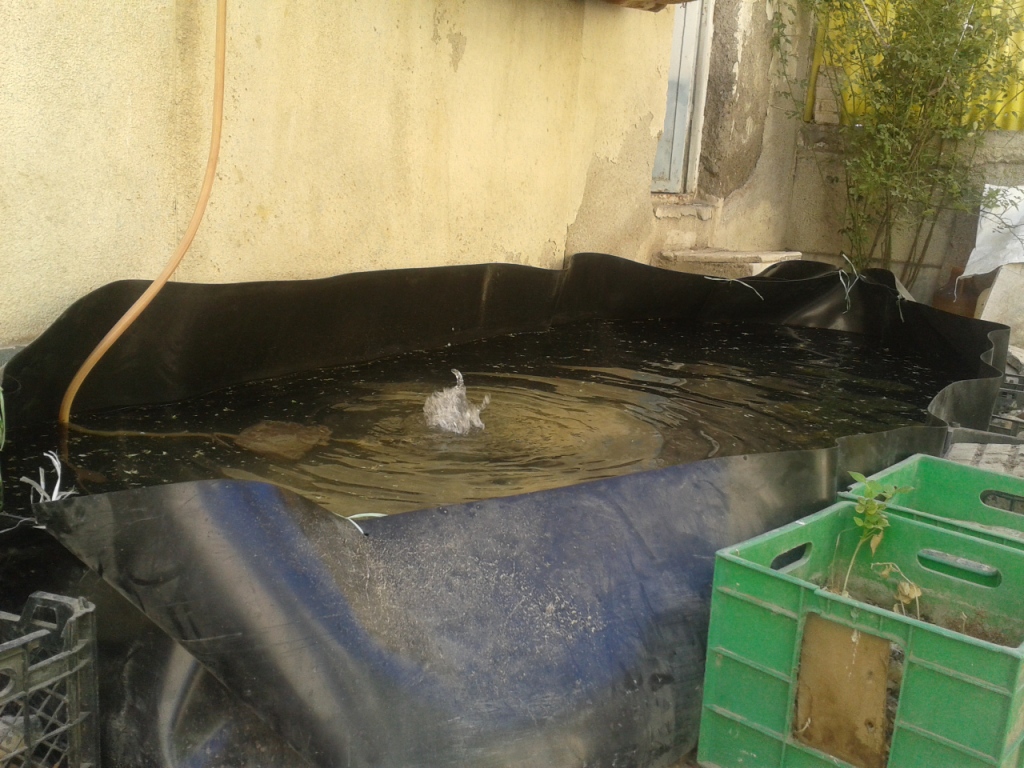
رسید به سال ۱۳۹۶ و گفتم پرورش ماهی رو امتحان نکردیم. درختهایی مثل زبان گنجشک و اقاقیا و چنار که بومی حوضه آبریز کشفرود بودن رو کاشته بودیم و میتوانستیم ماهی هم پرورش بدیم.
دهه شصت و اوایل هفتاد خرید هر جمعه ماهی معنی داشت. یکبار میدیدی یک ماهی بزرگ خریدی که اگر برش میگرداندی تو آب باز زنده میشد. این به این معنا بود که پرورش ماهی در همان نزدیکی صورت میگرفت و لازم نبود مسیر طولانی شهرهای دیگه را داشته باشه.
خراسان رضوی و شمالی، شهرهای شمال کشور و جنوب و استان های آذربایجان مخصوصا تبریز قطب پرورش ماهی بوده اند. ماهی هم ماهی های مرسوم قزل آلا و کپور بود. اهواز ماهی های بیشتری، مثل ماهی شیر، هوور، حلوا و غیره داشته و شمال هم با خاویار ماهی هایش معروف بود.
کسی به کنسرو تن ماهی فکر نمیکرد. ماهی تازه اش با زحمت طبخش خوب است باشه.
برای استخر ماهی از ژئوممبران استفاده کردیم. ارزانترین ماهی که ماهی کپور بود رو هم از کلات خریدیم.
تا اون موقع پرورش ماهی در حد آکواریومی داشتیم و میدانستیم آب بدون کلر و هوادهی لازم دارند. برای ذخیره آب بدون کار هم دبه های بزرگ آب را کنار استخر گذاشته بودیم. فقط مانده بود هوادهی که چون برای تست ماهی خریده بودیم به استفاده از یک بولیور اکتفا کردیم.
استخر را پر از آب کردیم و ماهی های قدر کف دست را انداختیم تو آب. نگاه کردیم ظهر تابستان برای این ماهی های گرم آبی زیادی داغه با استخر به عمق نهایتش بیست سانت. براشون سایه بون گذاشتیم.
کلی زحمت و هزینه که نتیجه بگیریم این کار اقتصادی نیست.
اقتصادی نبود. هزینه آن پمپ آب برای هوادهی تابستان زیر سیخ آفتاب بیشتر از قیمت نهایی میشد و ما برای تفریح ماهی پرورش نمیدادیم.
با یک حساب کتاب سرانگشتی بساط رو جمع کردیم.
استخر ما، حوض نیلوفر آرامگاه فردوسی نبود که سایه بان ماهی هایش نیلوفرهای روی آب باشن، یا فواره ای وسط حوض داشته باشه. یه فواره دائمی هم که آب را تا ارتفاع یک متر ببره بالا و خنک شده بیاره پایین نداشتیم.
در آن زمان هزینه کردن برای پمپ آب سودآور نبود و یک نفری هم که سیستم جریان دهی هوای بدون نیاز به برق اختراع کرده بود فروخته بودش به زیمنس و ما هم قدرت خرید پنل خورشیدی از زیمنس نداشتیم. هرچند اگر ارتفاع تانکر رو هم بیشتر میکردیم، میتونستیم مقیاس بیشتری ماهی بندازیم، ولی همچنان موضوع تامین برق پرورش ماهی باقی میماند. این شد که کار رو در حد همون تست اولیه رها کردیم و استخر رو جمع کردیم
_________________
It was 2017 and I said we didn’t try fish farming. We had planted trees like ash, acacia, and plane trees that were native to the Kashfarud watershed, and we could also raise fish.
In the 1980s and early 1990s, buying fish every Friday meant something. Once you saw a big fish, you bought it, and if you cut it up, it would come back to life in the water. This meant that fish farming was done nearby and didn’t have to travel long distances to other cities.
Khorasan Razavi and North, cities in the north and south of the country, and the provinces of Azerbaijan, especially Tabriz, were the hubs of fish farming. The fish were the traditional trout and carp. Ahvaz had more fish, such as lionfish, halva, etc., and the north was famous for its fish caviar.
No one thought about canning tuna. Fresh fish is good with a little effort.
We used geomembranes for the fish pond. We also bought the cheapest fish, which was carp, from Kalat.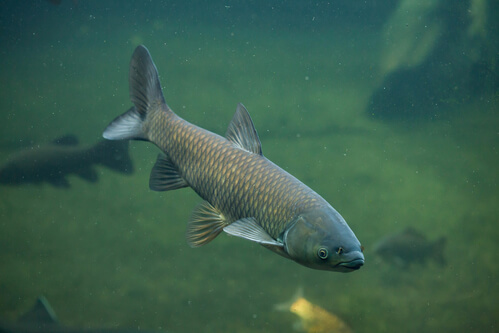
Until then, we had been raising fish in an aquarium-sized tank, and we knew that they needed chlorine-free water and aeration. We had also placed large water tanks next to the pool to store water without any work. The only thing left was aeration, which we had bought to test the fish, so we settled on using a bolivar.
We filled the pool with water and dropped palm-sized fish into the water. We looked at the water at noon in the summer, which was too hot for these warm-blooded fish, with the pool being twenty centimeters deep at its maximum. We put shade over them.
After a lot of effort and expense, we concluded that this was not an economical business.
It was not economical. The cost of that water pump for aeration in the summer under the scorching sun would have been more than the final price, and we were not raising fish for fun.
We put the whole thing together with a simple calculation.
Our pool was not the Water lily Pond of Ferdowsi's tomb, where the fish were shaded by water lilies on the water, or had a fountain in the middle of the pool. We didn't have a permanent fountain that would raise the water to a height of one meter and bring it down after it cooled.
At that time, it wasn't profitable to spend money on a water pump, and someone who had invented an air circulation system that didn't require electricity had sold it to Siemens, and we didn't have the money to buy solar panels from Siemens. So we left the work at the level of the initial test and packed the pool.