
Kashafrud river - رودخانه کشف رود
اینجا درباره رودخانه کشفرود ایران مینویسم
Kashafrud river - رودخانه کشف رود
اینجا درباره رودخانه کشفرود ایران مینویسمدرباره من
 از اونهام که می گم آدم بایست حرف خودشو بزنه، اما یاد گرفتم که هر حرفی رو تو جاش بزنم، اینجا، هرچی می خوام رو می گم
ادامه...
از اونهام که می گم آدم بایست حرف خودشو بزنه، اما یاد گرفتم که هر حرفی رو تو جاش بزنم، اینجا، هرچی می خوام رو می گم
ادامه...
پلهای رودخانه کشفرود؛ شریانهای تاریخی خراسان در مشهد
کشفرود از نام باستانی کشف به معنای لاکپشت گرفته شده است. در شاهنامه فردوسی آن را کاسه رود معرفی کرده است. انتخاب این نام بدلیل ماهیت سفالینه بودن زمین کف رودخانه است.
رودخانه کشفرود، از دامنههای بینالود و هزارمسجد سرچشمه میگیرد و در مسیر شمالی و شمالشرقی مشهد جاری میشود. این رود طی قرنها نقشی کلیدی در شکلگیری روستاها و توسعه تاریخی دشت توس ایفا کرده و پلهای متعددی بر بستر آن ساخته شدهاند که هویت فرهنگی و تمدنی منطقه را بهخوبی بازتاب میدهند.
در این مسیر، پلهای تاریخی و مدرن فراوانی به چشم میخورند که هر یک ارزش مهندسی، اجتماعی و گردشگری خاصی دارند. مهمترین پلهای کشفرود عبارتند از:
✅ پل طرق
پل طرق از شاخصترین پلهای تاریخی کشفرود بوده است که در دوره صفویه ساخته شد و در دوران قاجار چندین بار مرمت گردید. این پل آجری با طاقهای جناغی زیبا، محل عبور کاروانهای جاده تاریخی نیشابور به توس بوده است. این پل بر کال طرق نزدیک به خواجه اباصلت است و در نزدیکی پارک جنگلی غدیر قرار دارد.
موقعیت: حاشیه رباط طرق در شرق مشهد، محله ایوان، کنارگذر آزادراه شهید شوشتری
وضعیت کنونی: ثبت ملی شده و نیازمند مرمت اساسی برای استفاده گردشگری است.
✅ پل فردوسی (پل شاهنامه)
_qmj9.jpg)
این پل بتنی مدرن در دهههای اخیر ساخته شده تا بلوار شاهنامه را از روی کشفرود عبور دهد و دسترسی مستقیم زائران و گردشگران را از شهر مشهد به آرامگاه فردوسی در توس فراهم کند. این پل با موقعیت استراتژیک خود، بخش مهمی از طرح «حرم تا توس» محسوب میشود. در نزدیکی این مکان از میدان هفت خان تا آرامگاه فردوسی اماکن دیدنی زیادی مانند موزه نان، موزه شاه لافتی، بقعه هارونیه، شهربازی پارک، پارک کالیگرافی فردوسی، حوض نیلوفر و آرامگاه فردوسی قرار دارد.

موقعیت: امتداد بلوار شاهنامه، شهر توس (محدوده چهاربرج و کلاتهبرفی) تا آرامگاه فردوسی
ویژگی: دسترسی سریع گردشگران از مرکز مشهد به میراث فرهنگی توس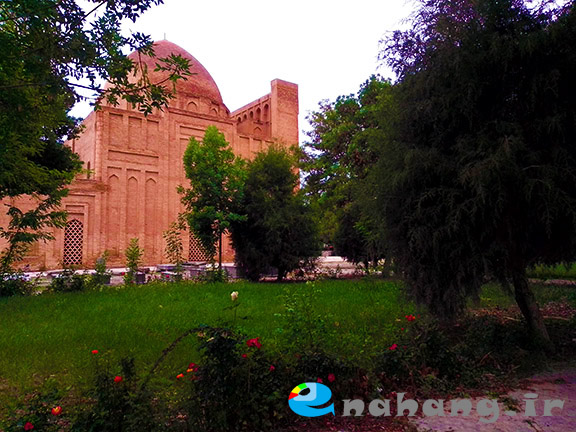
✅ پل شاهی
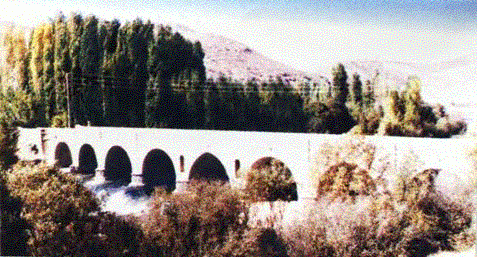
در مسیر خواجه ربیع مشهد به جاده کلات قرار دارد. در کنار بقایای تاریخی این پل که مربوط به دوره تیموری است، پلی بتنی ساخته شده است که در مسیر ارتباطی توس به کلات نادری و درگز نزدیک مشهد احداث شده است.
پل شاهی مشهد که بر روی کشفرود قرار داشت، دارای طاقهای جناغی بود و در دوره تیموری ساخته شد و در دورههای صفویه و قاجاریه تعمیراتی روی آن انجام گرفت. این پل به دلیل طغیان رودخانه در سالهای ۱۳۶۰ و ۱۳۷۵ به طور کامل تخریب شد.
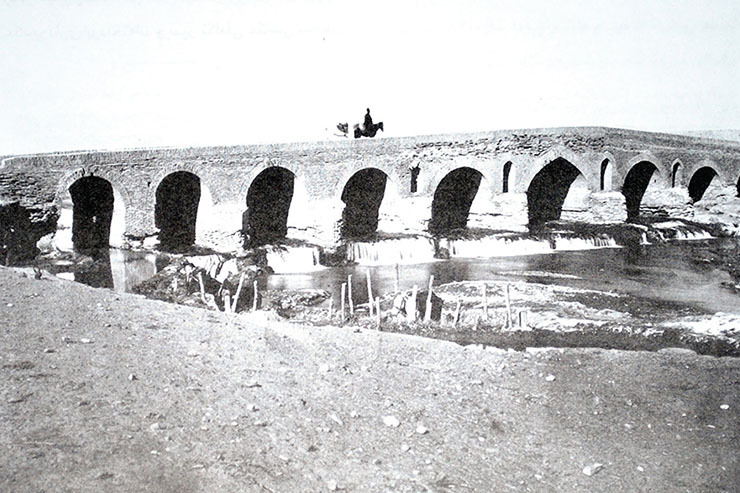
موقعیت: نزدیک بقعه خواجه ربیع
✅ پل چشمه گیلاس
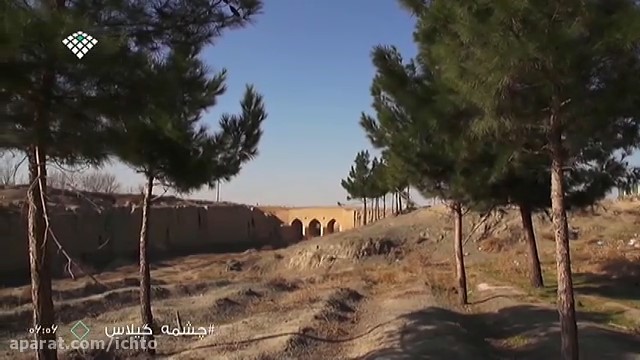
پل تاریخی در کنار درختان سردسیر کاج. این پل در سال 1386 ثبت ملی شده است.
موقعیت: روستای چشمه گیلاس چناران و در مسیر جاده قوچان- شاهنامه 14، دشت کوه های هزار مسجد
✅ پل پلنگآباد (پل قوچان)
این پل تاریخی در شمالغرب مشهد و نزدیک جاده قدیم قوچان ساخته شده و قدمت آن به دوره قاجار میرسد. پل پلنگآباد با دهانههای آجری و مصالح محلی، مقاومت خوبی در برابر سیلابهای فصلی کشفرود دارد.
موقعیت: نزدیکی روستای پلنگآباد، مسیر مشهد ـ قوچان
کارکرد فعلی: عبور محلی و دسترسی به زمینهای کشاورزی
✅ پل خلیج فارس- پل کشفرود در بزرگراه پیامبر اعظم (حدفاصل کمربند شمالی)
پل آن در نزدیکی بزرگراه پیامبر است. نام این پل، خلیج فارس است.
موقعیت: شمال مشهد، شاندیز
کاربرد: ترافیک عبوری شمال شهر
✅ پل خاتون کشفرود
این پل در محل تلاقی کشفرود و
هریرود واقع شده و از اهمیت تاریخی و باستانی برخوردار است. پل خاتون به
عنوان یکی از گذرگاههای جاده ابریشم در گذشته استفاده میشده است.
موقعیت:
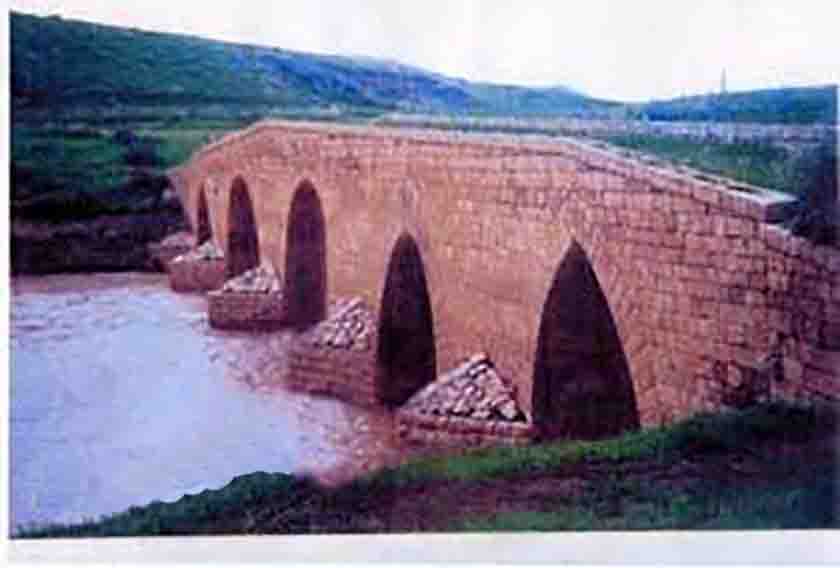
این پل با طول ۸۰ متر و عرض ۶.۲ متر بر روی رودخانه هریرود ساخته شده و دارای پنج دهانه با طاقهای گهوارهای و جناقی است. پل خاتون در فاصله ۹۰ کیلومتری از مرکز سرخس واقع شده و به عنوان یک گذرگاه تاریخی در جاده ابریشم شناخته میشود. بازدید از این پل رایگان است و بهترین زمان برای بازدید روز است.
✅ پلهای مدرن در بافت شهری مشهد
همزمان با توسعه شهر، چندین پل مدرن بر بستر کشفرود ساخته شد که از مهمترین آنها میتوان به موارد زیر اشاره کرد:
✅ پل دهرود
پل با عرشه تیر بتنی در دهانه متوسط و دو دهانه 22 متری در طرفین، در مجموع به طول 70 متر روی کشفرود احداث شده است.
موقعیت: شمال شرق مشهد، منطقه دهرود و رسالت مشهد
کاربرد: ترافیک عبوری شمال شرق شهر
✅ پل کشفرود در بلوار طبرسی شمالی
موقعیت: اتصال خیابان طبرسی به بلوار توس، نزدیک ایستگاه مترو طبرسی
کاربرد: تسهیل عبور خودروها از شمال به غرب مشهد
✅ پل کشفرود در التیمور-پنجتن
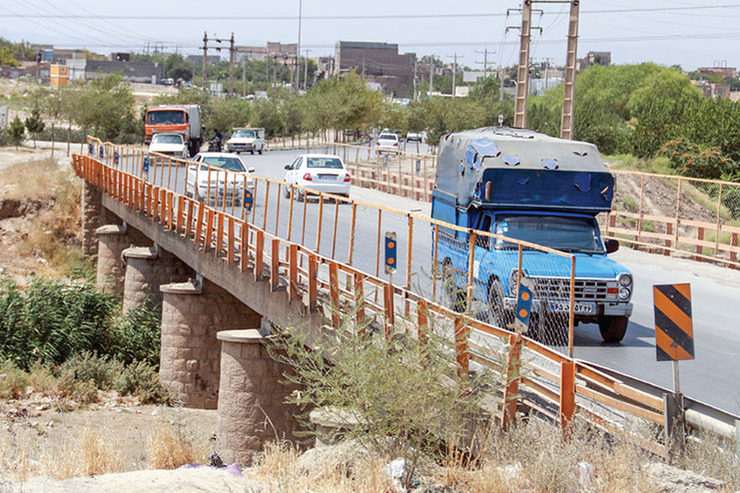
پایه های پل همچنان باستانی مانده اند.
موقعیت: اتصال خیابان پنج تن و التیمور در مسیر بازار شهید شوشتری و طبرسی
کاربرد: تسهیل عبور خودروها از شمال به جنوب مشهد
✅ پل کشفرود در عسگریه
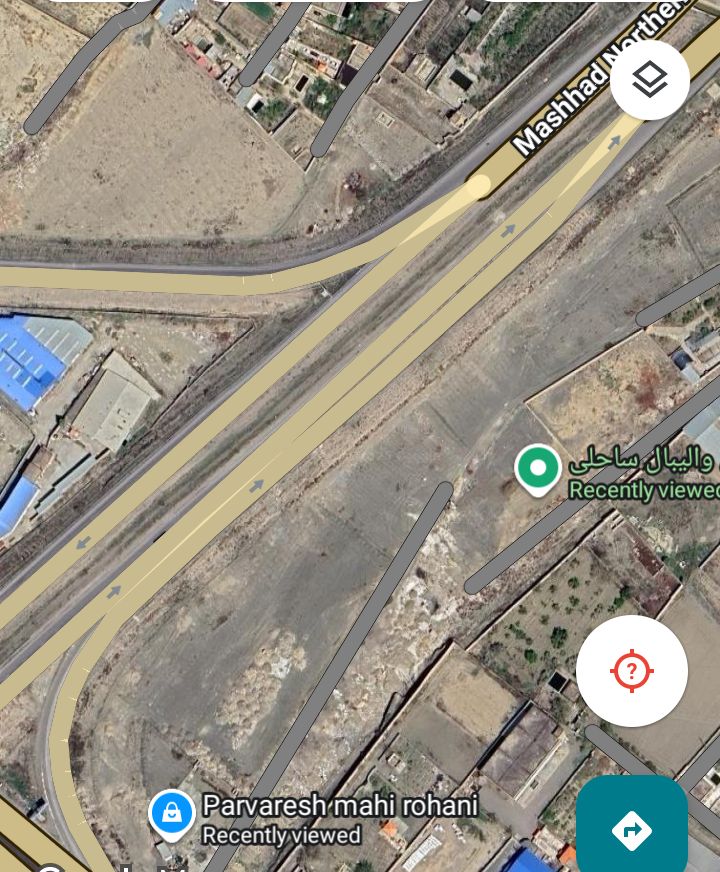
موقعیت: در محل پرورش ماهی و جایگاه سوخت علی آبادی
کاربرد: تسهیل عبور خودروها از کمربند شمالی به کمربند جنوبی مشهد
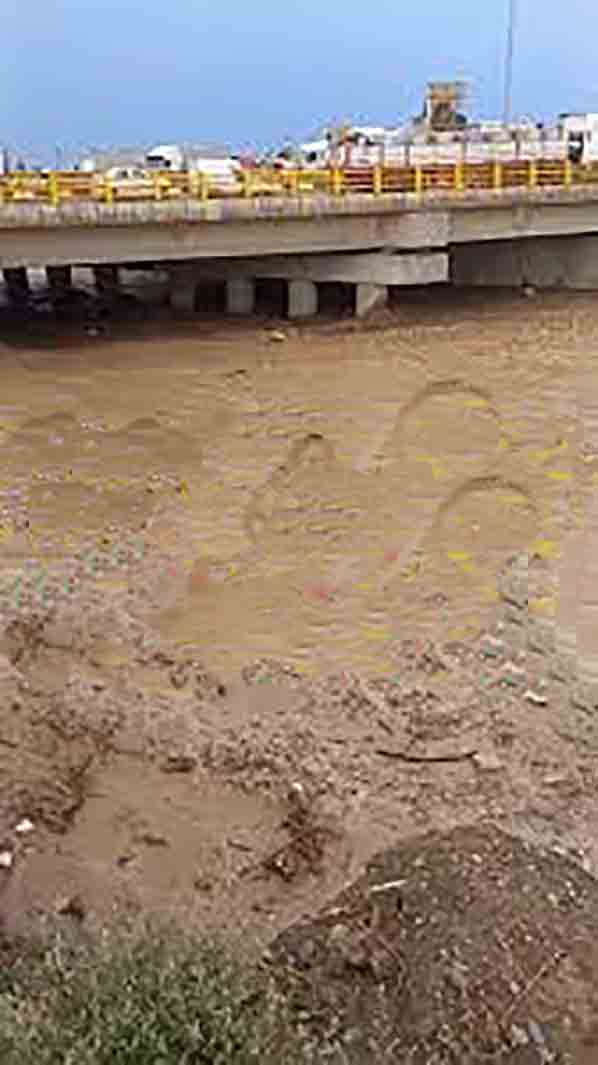
از نظر زیبایی شناختی دوار طراحی شده و در صورت جاری شدن رود تصویر نیم دایره آن با انعکاس آن در آب یک دایره میسازد.
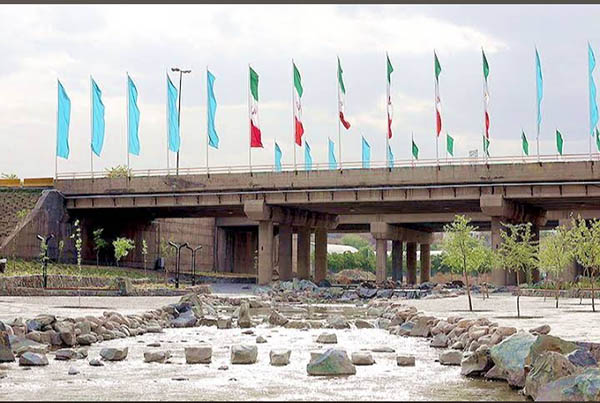
✅ پل چهل بازه
موقعیت: وکیل آباد
کاربرد: تسهیل عبور خودروها
از نظر زیبایی شناختی در کنار رودپارک چهل بازه تعریف شده است
✅ پلهای روستایی حاشیه کشفرود
در مناطق روستایی مانند نصرآباد، حصارسرخ و مناطق کشاورزی شرق توس، پلهای کوچکتری در دهه ۱۳۴۰ و ۱۳۵۰ ساخته شدهاند تا عبور محلی مردم و دامها را تأمین کنند. هرچند این پلها از نظر معماری برجسته نیستند، اما در مدیریت بحران و سیلاب اهمیت بالایی دارند.
اهمیت گردشگری پلهای کشفرود
پلهای تاریخی و مدرن کشفرود بهویژه پل شاهی و پل فردوسی، ظرفیت بالایی برای معرفی به گردشگران دارند:
✔️ در مسیر مستقیم «حرم تا توس» واقع شدهاند
✔️ به مراکز مهم زیارتی و فرهنگی نزدیک هستند
✔️ دسترسی راحت از بزرگراهها و مسیرهای شهری دارند
✔️ چشمانداز زیبایی از کشفرود و دشت توس پیش چشم بازدیدکنندگان قرار میدهند
چنانچه عملیات مرمت و معرفی این پلها تکمیل شود، میتوانند بخشی از مسیر گردشگری منسجم مشهد ـ توس را تشکیل دهند و تصویر بهتری از میراث مهندسی آبی خراسان به گردشگران ارائه کنند.
__________________
Kashafrud River Bridges; Historical Arteries of Khorasan in Mashhad
Kashafrud is derived from the ancient name Kashaf, meaning turtle. In Shahnameh, Ferdowsi introduced it as Kase-rud. This name was chosen due to the clay nature of the riverbed.
The Kashfrud River originates from the slopes of Binalod and Hezarmasjid and flows in the northern and northeastern direction of Mashhad. Over the centuries, this river has played a key role in the formation of villages and the historical development of the Toos Plain, and numerous bridges have been built on its bed, which well reflect the cultural and civilizational identity of the region.
On this route, there are many historical and modern bridges, each of which has a specific engineering, social, and tourism value. The most important bridges of Kashfrud are:
✅ Torgh Bridge
Torgh Bridge is one of the most significant historical bridges of Kashfrud, which was built during the Safavid period and was renovated several times during the Qajar era. This brick bridge with beautiful truss arches was the crossing point for caravans on the historic road from Neyshabur to Toos. The bridge is close to Khajeh Abaslat and is located near Ghadir Forest Park.
Location: On the outskirts of Robat Toqh in eastern Mashhad, Evan neighborhood, by the Shahid Shushtari Freeway
Current status: Nationally registered and in need of major renovation for tourism use.
✅ Ferdowsi Bridge (Shahnameh Bridge)
This modern concrete bridge was built in recent decades to cross Shahnameh Boulevard over the Kashf Rud and provide direct access for pilgrims and tourists from Mashhad to the Ferdowsi tomb in Toos. With its strategic location, this bridge is considered an important part of the "Harem to Toos" project.
Near this place, from Haft Khan Square to Ferdowsi's tomb, there are many places of interest, such as the Bread Museum, Shah Lafati Museum, Harunieh Tomb, Park Amusement Park, Ferdowsi Calligraphy Park, Lotus Pond, and Ferdowsi's tomb.
Location: Extension of Shahnameh Boulevard, Toos city (Chahar Borj and Kalateh Barfi area) to the Ferdowsi tomb
Feature: Quick access for tourists from the center of Mashhad to Toos cultural heritage
✅ Shahi Bridge
Is located on the way to Khajeh Rabi Mashhad to Kalat Road. Alongside the historical remains of this bridge, which dates back to the Timurid period, a concrete bridge has been built on the Toos-Naderi Kalat and Dargaz road near Mashhad.
Location: Near the Khwajeh Rabi Mausoleum
✅ Cheshme Gilas Bridge
A historic bridge next to the cold region pine trees. This bridge was nationally registered in 2007.
Location: Cheshme Gilas village, Chenaran, on the Quchan-Shahnameh 14 road, Hezar Masjid Mountains Plain
✅ Palangabad Bridge (Quchan Bridge)
This historic bridge was built northwest of Mashhad, near the old Quchan road, and dates back to the Qajar period. Palangabad Bridge, with its brick openings and local materials, has good resistance to the seasonal floods of the Kashfrud River.
Location: Near Palangabad village, Mashhad-Quchan route
Current function: Local crossing and access to agricultural lands
✅ Persian Gulf Bridge - Kashf Rud Bridge on the Prophet Azam Highway (Northern Beltway)
The bridge is near the Prophet Highway. The name of this bridge is Persian Gulf.
Location: North of Mashhad, Shandiz
Application: Traffic passing through the north of the city
✅ Khatoon Bridge of Kashfrud
This
bridge is located at the confluence of Kashfrud and Harirod and has
historical and ancient importance. Khatoon Bridge was used as one of the
crossings of the Silk Road in the past.
Location:
This
bridge is 80 meters long and 6.2 meters wide and was built on the
Harirod River and has five spans with barrel and lancet arches. Khatoon
Bridge is located 90 kilometers from the center of Sarakhs and is known
as a historical crossing on the Silk Road. Visiting this bridge is free
and the best time to visit is during the day.
✅ Modern bridges in the urban fabric of Mashhad
Along with the development of the city, several modern bridges were built on the Kashaf Rud River, the most important of which are the following:
✅ Dehrud Bridge
A bridge with a concrete beam deck in the middle span and two 22-meter spans on both sides, with a total length of 70 meters, has been built over the Kashafrud River.
Location: Northeast Mashhad, Dehrud and Resalat areas of Mashhad
Application: Traffic passing through the northeast of the city
✅ Kashaf Rud Bridge on North Tabarsi Boulevard
Location: Connecting Tabarsi Street to Toos Boulevard, near Tabarsi Metro Station
Application: Facilitating the passage of vehicles from the north to the west of Mashhad
Kashfrud Bridge in Al-Timur-Panjtan
Kashfrud-Panjtan Bridge
The foundations of the bridge are still ancient.
Location: Connecting Panjtan and El-Timur Streets on the way to Shahid Shushtari and Tabarsi Bazaar
Use: Facilitating the passage of vehicles from north to south of Mashhad
✅ Kashfrud Bridge in Asgariya
Northern Belt Road Bridge over Kashaf-rud
Location: At the fish farm and Aliabadi gas station
Use: Facilitating the passage of vehicles from the northern belt to the southern belt of Mashhad
It is aesthetically designed as a circle, and when the river flows, its semicircular image forms a circle with its reflection in the water.
✅ Rural bridges on the banks of the Kashf Rud
In rural areas such as Nasrabad, Hesar Sarkh, and the agricultural areas east of Toos, smaller bridges were built in the 1960s and 1970s to provide local passage for people and livestock. Although these bridges are not architecturally outstanding, they are of great importance in crisis and flood management.
The importance of tourism of Kashaf-Rud bridges
The historical and modern Kashaf-Rud bridges, especially the Shahi Bridge and the Ferdowsi Bridge, have a high potential for introduction to tourists:
✔️ They are located on the direct route from the Imam Reza Holy shrine to Toos
✔️ They are close to important pilgrimage and cultural centers
✔️ They have easy access from highways and urban routes
✔️ They offer visitors a beautiful view of the Kashaf-Rud and Toos Plain
If the restoration and introduction of these bridges is completed, they can form part of the integrated Mashhad-Toos tourism route and provide tourists with a better picture of Khorasan's hydraulic engineering heritage.
پلهای رودخانه جاجرود؛ میراثی از صفویه تا امروز
رودخانه جاجرود، یکی از مهمترین و پرآبترین رودهای شرق تهران، در طول مسیر خود شاهد احداث پلهای تاریخی و مدرن بسیاری بوده که هویت فرهنگی و تمدنی این منطقه را شکل دادهاند. این پلها علاوه بر نقش حملونقل و اتصال روستاها، دارای اهمیت تاریخی و معماری ارزشمندی هستند. در ادامه به معرفی مهمترین پلهای رودخانه جاجرود میپردازیم:
✅ پل شاهعباسی جاجرود
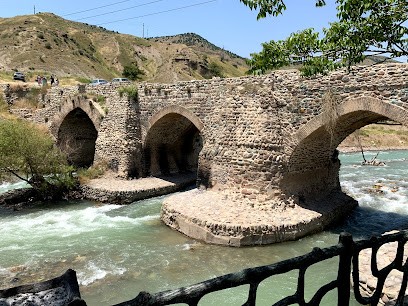
این پل تاریخی متعلق به دوره صفویه است و در مسیر جاده قدیم خراسان، روی رودخانه جاجرود ساخته شده. پل شاهعباسی با ۶ دهانه آجری و طاقهایی با قوسهای جناغی، شاهکاری از مهندسی ایرانی در قرن ۱۱ هجری شمسی محسوب میشود. این پل محل عبور کاروانها و راهیان سفر به خراسان بوده و همچنان استحکام خوبی دارد. پل شاهعباسی در نزدیکی روستای جاجرود واقع شده و در فهرست آثار ملی ایران به ثبت رسیده است.
مسیر دسترسی: حدود ۲ کیلومتر پس از خروجی جاده لشگرک به سمت روستای جاجرود
✅ پل لشگرک
پل لشگرک از پلهای باستانی و مهم محدوده شمال شرق تهران است. این پل بر رودخانه جاجرود احداث شده و دسترسی روستاها و ییلاقهای لواسانات را تأمین میکند. قدمت آن به دوره قاجار نسبت داده میشود و دارای معماری سادهتر و مصالح سنگ و آجر است.
مسیر دسترسی: ۴ کیلومتری شرق میدان لشگرک
✅ پل سد لتیان
همزمان با احداث سد لتیان در دهه ۱۳۴۰ خورشیدی، پلی برای عبور و مرور روی تاج سد ساخته شد که همچنان یکی از مسیرهای عبوری مهم شرق تهران به شمار میآید. این پل مناظر زیبایی از دریاچه سد و کوههای اطراف را پیش چشم رهگذران میگذارد و نقطه محبوبی برای عکاسان طبیعت است.
مسیر دسترسی: مسیر سد لتیان از جاده لشگرک به لواسان
✅ پل روستای خرمدشت
پل خرمدشت در جنوب شرق سد لتیان و در حوالی روستای خرمدشت قرار دارد. این پل در دهه ۱۳۵۰ ساخته شده و ارتباط زمینهای کشاورزی دو سوی رودخانه را برقرار میکند. هرچند از نظر معماری شاخص نیست، اما ارزش اجتماعی بالایی برای ساکنان منطقه دارد.
✅ پل روستای مهرآباد
پل مهرآباد با سازهای بتنی در مسیر روستای مهرآباد ساخته شده و در فصلهای پرآب اهمیت زیادی برای عبور دام و محصولات کشاورزی دارد.
✅ پلهای فرعی پاییندست جاجرود
در بخش جنوبی رودخانه جاجرود و نزدیکی حریم شهری تهران، چندین پل فرعی دیگر ساخته شدهاند که بیشتر کاربرد محلی داشته و با افزایش شهرنشینی تهران و گسترش محدوده شهری، اهمیت ارتباطی بیشتری پیدا کردهاند.
پیشنهاد گردشگری برای علاقمندان
اگر به تهران سفر کردید یا ساکن آن هستید و میخواهید جاجرود را با دید تاریخی و طبیعی کشف کنید، این پلها را میتوانید در یک تور گردشگری نیمروزه یا یکروزه بگنجانید:
✔️ پل شاهعباسی جاجرود + پیادهروی در مسیر روستای جاجرود
✔️ بازدید از پل لشگرک + طبیعتگردی در اطراف سد لتیان
✔️ عکاسی از پل سد لتیان + قایقسواری یا پیکنیک در حاشیه دریاچه
✔️ پلهای روستایی خرمدشت و مهرآباد + تجربه فرهنگ روستایی و محصولات محلی
به این ترتیب هم لذت دیدن معماری تاریخی را میبرید، هم با مردم محلی و طبیعت بکر منطقه آشنا میشوید.
_________________
Bridges of the Jajrud River; A Legacy from the Safavids to Today
The Jajrud River, one of the most important and most water-rich rivers in eastern Tehran, has witnessed the construction of many historical and modern bridges along its route that have shaped the cultural and civilizational identity of this region. In addition to their role as transportation and connecting villages, these bridges have valuable historical and architectural significance. Below, we will introduce the most important bridges of the Jajrud River:
✅ Shah Abbasi Bridge, Jajrud
This historical bridge dates back to the Safavid era and was built on the Jajrud River along the old Khorasan road. With 6 brick spans and arches with truss arches, the Shah Abbasi Bridge is considered a masterpiece of Iranian engineering in the 11th century AH. This bridge was a crossing point for caravans and travelers traveling to Khorasan and is still very strong. The Shah Abbasi Bridge is located near the village of Jajrud and has been registered on the list of national monuments of Iran.
Access route: About 2 km after the exit of Lashgarak Road towards Jajrud village
✅ Lashgarak Bridge
Lashgarak Bridge is one of the ancient and important bridges in the northeast of Tehran. This bridge was built on the Jajrud River and provides access to the villages and summer cottages of Lavasanat. Its history is attributed to the Qajar period and has a simpler architecture and stone and brick materials.
Access route: 4 km east of Lashgarak Square
✅ Latian Dam Bridge
At the same time as the construction of Latian Dam in the 1960s, a bridge was built to cross and navigate over the dam crest, which is still one of the important passageways in eastern Tehran. This bridge offers beautiful views of the dam lake and the surrounding mountains to passersby and is a popular spot for nature photographers.
Access route: Latian Dam route from Lashgarak Road to Lavasan
✅ Khorramdasht Village Bridge
Khorramdasht Bridge is located southeast of Latian Dam and near Khorramdasht Village. This bridge was built in the 1970s and connects agricultural lands on both sides of the river. Although it is not architecturally significant, it has high social value for the residents of the area.
✅ Mehrabad Village Bridge
Mehrabad Bridge was built with a concrete structure on the route to Mehrabad Village and is of great importance for the passage of livestock and agricultural products during high water seasons.
✅ Subsidiary bridges downstream of Jajrood
Several other subsidiary bridges have been built in the southern part of the Jajrood River and near the urban area of Tehran, which are mostly used locally and have gained greater communication importance with the increase in urbanization in Tehran and the expansion of the urban area.
Tourism suggestion for enthusiasts
If you have traveled to Tehran or are a resident of it and want to explore Jajrud from a historical and natural perspective, you can include these bridges in a half-day or one-day tourist tour:
✔️ Shah Abbasi Bridge in Jajrud + Walking along the Jajrud village path
✔️ Visiting Lashgarak Bridge + Nature tourism around Latian Dam
✔️ Photographing Latian Dam Bridge + Boating or picnicking on the lakeside
✔️ Rural bridges of Khorramdasht and Mehrabad + Experiencing rural culture and local products
In this way, you will both enjoy seeing historical architecture and get to know the local people and the pristine nature of the region.
رودخانه کن؛ گنجی گمشده در دل تهران
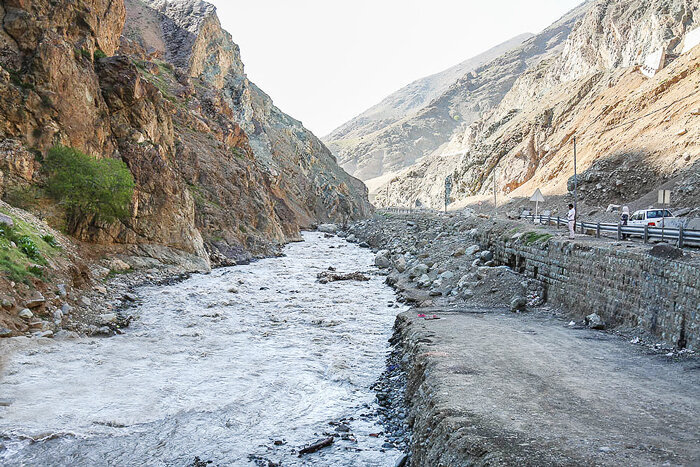
در بررسی نقشههای شهری تهران، متوجه رگهای آبیرنگ شدم که در میان خیابانها و بزرگراههای انبوه غرب تهران جاری بود. ابتدا تصور کردم شاید یک بزرگراه یا مسیر ترافیکی باشد که به رنگ آبی نمایش داده شده، اما پس از بررسیهای دقیقتر در چندین اپلیکیشن نقشه و مرور تصاویر ماهوارهای، مشخص شد که با رودخانهای روبهرو هستم که از حاشیه پارک ارم عبور میکند.
این رودخانه در منابع فارسی به نام رودخانه کن یا رود سولقان شناخته میشود و در نقشههای انگلیسیزبان اغلب بهاشتباه با عنوان Kan Creek معرفی شده است. در حالی که واژه creek بیشتر برای نهرها و جویبارهای کوچک بهکار میرود و به گستره و اهمیت زیستمحیطی این رودخانه پاسخ نمیدهد. با توجه به طول مسیر، دبی آب، و نقشی که در تأمین منابع آبی و فضای سبز تهران دارد، بیتردید شایسته است river نامیده شود تا شأن واقعی آن حفظ گردد.
رودخانه کن از ارتفاعات شمالغرب تهران، حوالی سولقان سرچشمه میگیرد و پس از گذر از روستاهای کن و سولقان، از کنار پارک ارم عبور میکند و در نهایت به سمت جنوب حرکت کرده و مسیر کهریزک را در بر میگیرد. این رودخانه بخشی از سیستم پیچیده رودخانههای تهران بهشمار میرود و با زیرشاخههای متعددی همچون رودخانه جاجرود و کند پیوند خورده است. همین شبکه آبی، بهویژه در گذشته، یکی از منابع حیاتی برای کشاورزی و آبیاری دشت تهران بوده و هنوز هم اهمیت زیستمحیطی و اجتماعی بالایی دارد.
در میان پلهای تاریخی رودخانه کن، پل زیبای قاجاری کن که در سال ۱۲۹۰ ساخته شد و در ۱۳۱۲ به دست حاج محمدعلی کنی مرمت شد، همچون یادگاری از تاریخ معماری تهران قد برافراشته است. این پل نهتنها نماد منطقه کن، بلکه بخشی از میراث فرهنگی پایتخت ایران است. در دهه ۱۳۵۰ نیز پلی مدرنتر برای عبور خودروها احداث گردید که هماکنون در کنار پل قدیمی استفاده میشود. با این حال بسیاری از پلهای دیگر این رودخانه همچنان در نقشهها و معرفیهای گردشگری ناشناخته ماندهاند و نیازمند مستندسازی و ثبت بهتر هستند.
افسوس که در حاشیه این رودخانه با وجود زمینهای سرسبز و پارکهای طبیعی، امکانات گردشگری مناسبی دیده نمیشود. رستورانها، کافهها و مسیرهای پیادهروی که میتوانند به رونق گردشگری منطقه کمک کنند، هنوز بهطور سیستماتیک توسعه نیافتهاند. این در حالی است که رودخانههای شهری در بسیاری از کشورها و حتی بهتر از آن، همین زاینده رود خودمان به قطبهای فرهنگی و توریستی تبدیل شدهاند و با معرفی صحیح و یکپارچه، میتوانند ارزش زیستمحیطی و اجتماعی بسیار بالاتری پیدا کنند.
تهران به عنوان پایتخت ایران، شایسته است شبکه آبی خود را با دقت بیشتری معرفی کند. همانطور که جاجرود بهعنوان یکی از شاخصترین رودخانههای ملی مطرح است، رودخانه کن نیز سزاوار توجه و معرفی در سطح ملی و بینالمللی است. نامگذاری استاندارد، احیای مسیرهای گردشگری، و حفظ اکوسیستم این رودخانهها میتواند الگویی برای سایر شهرهای ایران باشد و در نهایت هویت آبی و تاریخی کشور را تقویت نماید.
_____________________
While reviewing the city maps of Tehran, I noticed a blue streak running through the crowded streets and highways of western Tehran. At first, I thought it might be a highway or traffic route displayed in blue, but after closer examination in several map apps and reviewing satellite images, it became clear that I was facing a river that runs along the edge of Eram Park.
This river is known in Persian sources as the Kan River or Sulqan River, and is often mistakenly referred to as Kan Creek on English-language maps. While the word creek is mostly used for small streams and rivulets, it does not reflect the extent and environmental importance of this river. Given its length, water flow, and role in providing water resources and green spaces in Tehran, it undoubtedly deserves to be called a river in order to preserve its true dignity.
The Kan River originates in the northwest heights of Tehran, near Solqan, and after passing through the villages of Kan and Solqan, it passes by Eram Park and finally moves south and includes the Kahrizak route. This river is part of the complex system of rivers in Tehran and is connected to numerous tributaries such as the Jajroud and Kand rivers. This water network, especially in the past, was a vital source of agriculture and irrigation of the Tehran plain and still has high environmental and social importance.
Among the historical bridges on the Kan River, the beautiful Qajar Kan Bridge, built in 1911 and renovated in 1933 by Haj Mohammad Ali Kan, stands tall as a monument to the architectural history of Tehran. This bridge is not only a symbol of the Kan region, but also part of the cultural heritage of the Iranian capital. In the 1970s, a more modern bridge was built for the passage of vehicles, which is currently used next to the old bridge. However, many other bridges of this river remain unknown in maps and tourism introductions and need better documentation and recording.
Unfortunately, despite the lush green lands and natural parks, there are no suitable tourism facilities on the banks of this river. Restaurants, cafes, and walking paths that can help boost tourism in the region have not yet been systematically developed. This is while urban rivers in many countries, and even better, our own Zayandeh Rood, have become cultural and tourist hubs, and with proper and integrated introduction, they can gain much higher environmental and social value.
Tehran, as the capital of Iran, deserves to introduce its water network more accurately. Just as Jajroud is considered one of the most prominent national rivers, the Kan River also deserves attention and introduction at the national and international levels. Standard naming, revitalizing tourist routes, and preserving the ecosystem of these rivers can serve as a model for other cities in Iran and ultimately strengthen the country's aquatic and historical identity.
صبح بارانی که گرم شد
امروز صبح را با هوایی نسبتاً مرطوب آغاز کردیم. بوی باران در هوا پیچیده بود و اگر رفتوآمد خودروها کمتر بود، شاید همانطور که آسمان وعده میداد، باران هم میبارید. با طلوع آفتاب و افزایش تدریجی تابش خورشید، دما آرامآرام بالا رفت؛ بهگونهای که ساعت هشت صبح دیگر میشد گفت هوا واقعاً گرم شده است.
دمای هوا با شتابی چشمگیر بالا میرفت و حس و حال یک صبح نیمهبارانی را به فراموشی میسپرد. حوالی ساعت دو و نیم بعدازظهر گرما به اوج رسید. برای اطلاع از دمای کشفرود، تصمیم گرفتم دمای شهر توس را بررسی کنم. در جستجوی اولیه، با چند عدد متفاوت مواجه شدم و با توجه به دمای مشهد، حدس زدم حدود ۳۳ درجه باشد.
اما برای اطمینان بیشتر، سرچ را ادامه دادم و به وبسایتی خارجی و نسبتاً دقیق رسیدم که اطلاعات مفصلتری ارائه میداد. با کمال تعجب دیدم دمای توس را ۴۱ درجه ثبت کرده است. از شدت گرمایی که در فضا موج میزد، این عدد چندان هم غیرقابلباور به نظر نمیرسید. اما وقتی بیشتر دقت کردم، متوجه شدم این دما مربوط به شهر توس در ایالت ختلان تاجیکستان است.
شهر توس تاجیکستان در حاشیه رودخانه کفرنهان، که بهمراتب بزرگتر از کشفرود ماست، قرار دارد. بهدلیل وجود این رودخانه و رطوبت بیشتر، ممکن است گرمای بالای ۴۰ درجه در آن منطقه به اندازه اینجا آزاردهنده نباشد. بررسی بیشتر نشان داد آن سایت اساساً اطلاعاتی از توس ایران ارائه نمیداد.
کمی در مورد دلایل گرمای شدید شهر توس تاجیکستان جستجو کردم و دیدم این شهر با وجود موقعیت کوهستانی، احتمالاً تحت تأثیر جریانات هوایی ناشی از دریای مازندران و تغییرات آبوهوایی منطقه قرار میگیرد. حتی ممکن است موج گرما از خود منطقه آغاز شده باشد یا به واسطه سفرهای پرتعداد مردم تهران به شمال کشور و در نتیجه گرمتر شدن دریای خزر، به طور غیرمستقیم هوای منطقه تاجیکستان را هم تحت تأثیر قرار داده باشد.
جالب است بدانید شهر توس تاجیکستان فقط ۲۲ کیلومتر از مرز ایران فاصله دارد و شهری تاریخی محسوب میشود. این کشور با افغانستان مرز مشترک دارد و بهعنوان یکی از پناهگاههای مهم گونههای جانوری متنوع در جهان شناخته میشود.
______________
We started this morning with a relatively humid weather. The smell of rain was lingering in the air, and if there had been less traffic, perhaps it would have rained as the sky had promised. With the sunrise and the gradual increase in sunlight, the temperature slowly rose; so that by eight in the morning it could be said that the weather had really warmed up.
The temperature rose at a remarkable pace, making the feeling of a partly rainy morning forgettable. Around two and a half in the afternoon, the heat peaked. To find out the temperature of Kashafarud, I decided to check the temperature of Toos. In my initial search, I came across a few different numbers, and considering the temperature in Mashhad, I guessed it was around 33 degrees.
But to be more sure, I continued my search and came across a foreign and relatively accurate website that provided more detailed information. To my surprise, I saw that Toos had recorded a temperature of 41 degrees. Given the intensity of the heat that was radiating through the air, this number did not seem so unbelievable. But when I looked closer, I realized that this temperature was related to the city of Tus in the Khotlan province of Tajikistan.
The city of Tus in Tajikistan is located on the banks of the Kafr Nahan River, which is much larger than our Kashf Rud. Due to the presence of this river and higher humidity, the heat of over 40 degrees in that area may not be as annoying as it is here. Further investigation showed that the site basically did not provide information about Tus in Iran.
I did a little research on the reasons for the extreme heat in the city of Tus in Tajikistan and found that despite its mountainous location, the city is probably affected by air currents from the Caspian Sea and climate changes in the region. It is even possible that the heat wave started in the region itself or that it indirectly affected the weather in the Tajikistan region due to the numerous trips of people from Tehran to the north of the country and the resulting warming of the Caspian Sea.
It is interesting to know that the city of Tus, Tajikistan, is only 22 kilometers from the Iranian border and is considered a historical city. This country shares a border with Afghanistan and is known as one of the most important refuges for diverse animal species in the world.
کشفرود در کنار دیوار تاریخی توس
جویبار کوچکی که کشفرود از آن آغاز میشود از دل خاک بیرون میآید و بصورت جویبار کوچکی با جریانی آهسته از میان بوته زارها به بیرون ره میگشاید. این رود خروشان که ۲۹۴ کیلومتر از اعماق قرون سربرمیآورد کشفرود نام دارد.
کشفرود در حالیکه که از مزرعه و مرغزار میگذرد رنگ درمنه وحشی و افسنطین را قرض میگیرد و از نیروی زنده جویبارهای دیگری که به آن میپیوندند حیات مییابد.
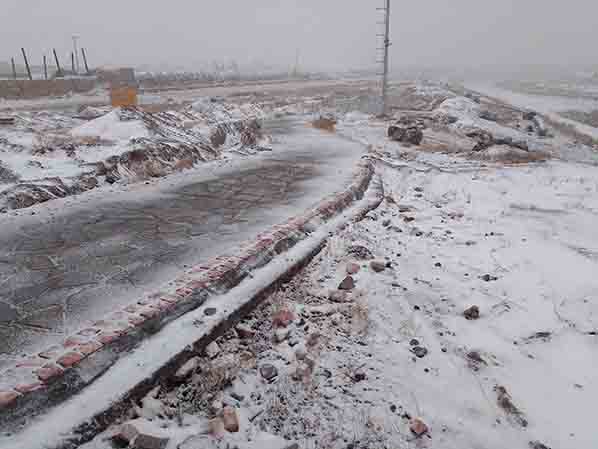
هنگامی که بلوغ کامل یافت رودخانههای دیگر را به کام خود میگیرد و با جریانی هرچه گستردهتر برای رسیدن به مرز کشور بیتابی میکند این مشهورترین رودخانه شمال شرق کشور است.
رودها هر یک خاطره خود را دارند و خاطراتی که کشفرود دارد عمیق و گسترده است. این رودخانه ضربات تبر را به هنگام ساخته شدن اولین کلبههایی که با الوار درست میشد به یاد دارد. و صدای نرم ساروجی را که بر روی آجر ماله کشی میشد به یاد دارد. او لشکرکشیهای مغولها و شمشیر انتقام جوی یه آنها را به یاد میآورد.
شهرهایی که مسیر این رودخانه قرار میگرفتند به رغم بدرفتاری تاریخ بسیاری از نمونههای منحصر به فرد معماری خودشان را حفظ کردند. شهر توس با هارونیه در کنار دیوار تاریخی توس و رادکان با برج رادکان خود نمونهای از معماری گذشته خود را حفظ کردند. مشهد پس از آن با کال قره خان مسیر تاریخی رود را در کنار حرم امام رضا، امام هشتم شیعیان، به خاطر می آورد.
تزئینات پنجره برخی خانه های با چند سال ساخت یادآور برگ درختان غان بوده است.
هنر مردمی صنعتگران در زیباترین مناطق کشفرود به منصه ظهور رسید و چیزهایی که بدست صنعتگران ساخته شد شاهدی است بر جذابیت خارق العاده این ناحیه. در مسیر انحرافی زیرشاخه ای از کشفرود ژنراتورهای غول پیکر نیروگاه سیکل ترکیبی فردوسی قرار دارد. این نیروگاه انرژی مورد نیاز منطقه را با تاسیسات هیدروالکتریکی گوناگون تامین میکند.
آب کشفرود باشکوه از میان کوه ها و جنگلهای حفاظت شده، مزارع و مرغزارها و از سواحلی که خاطره انسان های عالیقدری را به همراه دارد جریان می یابد. در روستای پاژ نزدیک کشفرود حکیم ابوالقاسم فردوسی تولد یافت. کشفرود زادگاه بسیاری از عرفا، نویسندگان و دانشمندان ایرانی است، که در سراسر جهان شهرت دارند. پیر پالان دوز، امام محمد غزالی و خواجه نصیر الدین طوسی از جمله دانشمندان در مسیر کشفرود هستند.
خواجه نصیر طوسی برج رادکان را بنا نهاد. او رصد خانه مراغه را بعنوان بزرگترین کتابخانه دوران شکوه اسلامی ایران بنا کرد و دانشمندان زیادی را دور خود جمع کرد تا درباره نجوم و کیهان شناسی تحقیق کنند. از جمله کتاب های او زیج ایلخانی است. او ابزارهای ستاره شناسی دقیق تدارک دید که از جمله آنها میتوان به برج رادکان که در نزدیکی کشفرود و جای کوههای هزارمسجد است اشاره کرد
کشفرود ایستگاه های مطالعاتی متعددی در اطراف خود دارد. پرنده هایی که در کتاب های درسی تصویر آنها را میبینیم در نیزارهای کشفرود به وفور یافت میشود. کشفرود در کیلومترها راهی که طی کرده مرغزارهای بیشماری از جمله مرغزار رایکان را سیراب میکند و در نهایت به مرز افغانستان میرسد.
_____________
The small stream from which the Kashafrud begins emerges from the earth and flows slowly through the bushes. This roaring river, which rises 294 kilometers from the depths of centuries, is called the Kashfrud.
As it flows through fields and meadows, the Kashfrud borrows the color of wild sagebrush and finds life from the living force of other streams that join it.
When it reaches full maturity, it swallows other rivers and, with an ever-widening flow, it is eager to reach the country's border. This is the most famous river in the northeast of the country.
Rivers each have their own memories, and the memories of the Kashfrud are deep and extensive. This river remembers the blows of the axe when the first huts were built made of timber. And it remembers the soft sound of mortar being troweled on bricks. He remembers the Mongol campaigns and their sword of revenge.
The cities that lay along the river's course, despite the mistreatment of history, have preserved many unique examples of their architecture. The city of Tous with its Harunieh and Radkan with its Radkan Tower have preserved an example of their past architecture. Mashhad then commemorates the river's historical course with the Kal Qara Khan next to the shrine of Imam Reza, the eighth Imam of the Shiites.
The window decorations of some houses built a few years ago are reminiscent of birch leaves.
The folk art of artisans came to the fore in the most beautiful areas of the Kashafrud, and the things made by artisans are a testament to the extraordinary charm of this area. On a branch of the Kashafrud, there are giant generators of the Ferdowsi combined cycle power plant. This power plant supplies the energy needed by the region with various hydroelectric installations.
The magnificent Kashfrud flows through mountains and protected forests, fields and meadows, and along the banks that carry the memory of great people. In the village of Pazh near Kashfrud, the sage Abolghasem Ferdowsi was born. Kashfrud is the birthplace of many Iranian mystics, writers and scientists, who are famous all over the world. Pir Palandoz, Imam Muhammad Ghazali and Khwaja Nasir al-Din Tusi are among the scientists on the Kashfrud path.
Khwaja Nasir al-Din Tusi founded the Radkan Tower. He built the Maragheh Observatory as the largest library of the Islamic glory period of Iran and gathered many scientists around him to research astronomy and cosmology. Among his books is the Zij al-Ilkhani. He prepared precise astronomical instruments, among which we can mention the Radkan Tower, which is near Kashafrud and the site of the Thousand Mosque Mountains.
Kashfrud has several study stations around it. The birds we see in textbooks are found in abundance in the reed beds of the Kashfrud River. The Kashfrud River irrigates countless meadows along its many kilometers of path, eventually reaching the Afghan border.