
Kashafrud river - رودخانه کشف رود
اینجا درباره رودخانه کشفرود ایران مینویسم
Kashafrud river - رودخانه کشف رود
اینجا درباره رودخانه کشفرود ایران مینویسمدرباره من
 از اونهام که می گم آدم بایست حرف خودشو بزنه، اما یاد گرفتم که هر حرفی رو تو جاش بزنم، اینجا، هرچی می خوام رو می گم
ادامه...
از اونهام که می گم آدم بایست حرف خودشو بزنه، اما یاد گرفتم که هر حرفی رو تو جاش بزنم، اینجا، هرچی می خوام رو می گم
ادامه...
رودخانه ارداک و روستای پری آباد
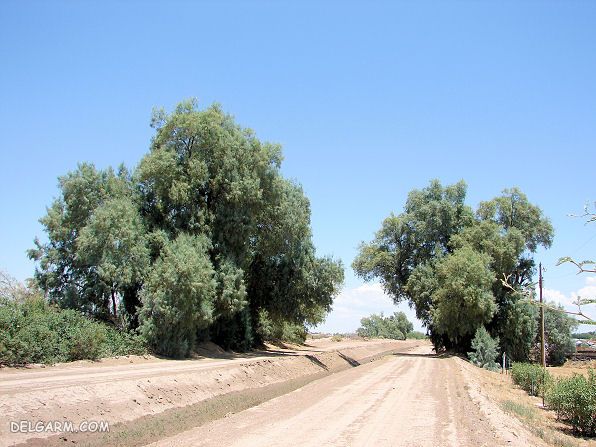
در کنار رود ارداک که آثار پرآبی آن دیده میشود روستای پری آباد قرار دارد. پرنده آبزی از خانواده مرغابی ها اردک است که در فارسی میانه (پهلوی) با واژه arṭaka یا ardak ثبت شده است.
رودخانه ارداک یکی از مهمترین ریزآبه های کشفرود محسوب میشود. از آن سو، نام پری آباد با آن حجم از آب و قنات بزرگی که در کنار آن قرار دارد ما را یاد پری دریایی می اندازد. گو اینکه آن آب فراوان، ماهیهای زیبایی داشته که نام پری را به آن اطلاق میکرده اند.
از جمله ویژگیهای روستای پری آباد این است که به جای یک کاروانسرا دو کاروانسرای بزرگ داشته است که نشان از اهمیت مقصد تجاری آن در مسیر کاروانهای جاده ابریشم دارد.
در گذشته دوره ای بوده است که نام پری رایج تر استفاده میشد، و نام مکان ها و روستاهایی مثل پریان، پریزاد و پری آباد زیاد بود. این روستاها اغلب در کنار رود و دریا بوده اند. این روستاها اغلب ارزش تاریخی دارند. روستای پریان، روستای تاریخی زادگاه کریم خان زند، موسس سلسله زندیه است. هم چنین، پریزاد خانم با مدرسه وقفی مشهورش در دوره تیموری مشهورترین موقوفه خود در حرم مطهر رضوی را دارد که در زمینی سیصد متری نزدیک مسجد گوهرشاد احداث شده است.
روستای پری آباد که در نزدیکی شیرحصار قرار دارد محل مراجعه کاروانهایی بوده است که پس از راهنمایی توسط روستائیان خراسانک و پیشاوک در کنار رودخانه در محل کاروانسرای زیبای آن اسکان میکرده اند.
این کاروانسراها که در مسیر شمال به جنوب به سمت کشفرود میپیوندند در مسیر تجاری کشورهای همسایه شمالی ایران مثل ترکمنستان، قزاقستان و روسیه بوده اند. کاروانسرای اول که بیشتر به رود نزدیک بوده بر اثر گذر زمان و وقوع سیلابی در اطراف رودخانه تا حد زیادی تخریب شده، ولی دومی که کمی آنطرف تر از رودخانه احداث شده است، سالم است و مورد استفاده اهالی روستا و بازدیدکنندگان محترم قرار دارد.
به نظر میرسد پری آباد امروزی در گذر زمان ترکیب دو روستای فتح آباد افشار و پری آباد قدیم بوده باشد. فتح آباد افشار را با نام فتح آباد گرگ ها نیز میشناسند. افشار نام گسترده کننده فتوحات اسلامی ایران در سه قرن پیش (دوره افشاریه) است و جایگزین کلمه گرگها شده است.
گو اینکه نام این روستا در گذشته بسیار دور هم نام گرگان بوده و گرگ ها نام داشته است. با پاقدم شاه افشار به روستاهای اطراف توس مانند دهشک و فیلیان به روستای گرگها، فتح آباد گرگ ها و یا فتح آباد افشار نیز میگویند.
مانند گرگان، روستاهای شیر حصار، قره کوسه و فیلیان نیز که نام آنها برگرفته از حیوانات جنگلی و طبیعت منطقه سرسبز اطراف کشفرود، گلستان و مازندران بوده است. در خراسان بزرگ که از نظر طبیعت جایگاه ویژه ای داشته است نام حیوانات خاص جنگل برای این روستاها انتخاب شده است.
قره کوسه گواه بر پرآبی کشفرود دارد و به نظر میرسد کشورهای شمالی در مسیر خود به کشفرود از قایق هم استفاده می کرده اند. قدمت این نامگذاری ها به دوره پیش از اسلام باز میگردد و آثار آن را در شاهنامه فردوسی که در توس و نزدیکی این روستاها اشعار حماسی و اساطیری خود را سروده است میتوانیم بیابیم.
شیر در شاهنامه بارها و بارها برای اشاره به نام پهلوانان به ویژه رستم به کار گرفته شده است:
"چو شیر اندرافتاد و چون پیل مست "
فیلیان که روستایی است در نزدیکی شاه فیل در آن زمان مثل پیل بند به پهلوانان اشاره میکرده است. درست متناظر با این اشاره در همین منطقه هم پارک ژوراسیک داریم که وقتی فردوسی به اژدها اشاره میکند به حیات وحش توس و روستاهای اطراف از دوره ژوراسیک و زندگی دایناسورها اشاره شود و به همین صورت به بررسی زندگی ماموت ها بپردازیم.
همچنین یک موزه پهلوانی با نام شه لافتی در بلوار شاهنامه فردوسی است که وقتی در کتاب شاهنامه به پهلوانانی چون رستم اشاره میشود شیوه تربیتی آنها در زورخانه باستانی را یادآوری کنیم.
شهر توس و روستاهای اطراف آن با توجه به اینکه میراث فرهنگی خود را سالیان سال در این رابطه حفظ کرده اند به همراه طبیعت چهارفصل با آثار باستانی و موزه های متعدد سالانه میزبان گردشگران و علاقمندان بسیاری از مکانها و همچنین آرامگاه فردوسی هستند.
همراه میشویم با اشعار فردوسی:
چو نزدیک شد بیشه و جای گرگ/ بپیچید میرین و مرد سترگ
به گشتاسپ بنمود به انگشت راست/ که آن اژدها را نشیمن کجاست
وزو بازگشتند هر دو بهدرد/ پر از خون دل و دیده پر آب زرد
این اشعار نشان میدهد که در زمان سرایش داستانهای شاهنامه، بیشه ای بوده است که در آن گرگ هم داشته است. در جای دیگر فردوسی میگوید:
که این گرگ خوانیم گر پیل مست/
که جاوید باد این دل و تیغ و دست.
که بی فره اورنگ شاهی مباد/ بزرگی و رسم سپاهی مباد
_______________
The village of Pari Abad is located on the banks of the Ardak River, where traces of its flooding can be seen. The duck is a water bird from the duck family, which is recorded in Middle Persian (Pahlavi) as the word arṭaka or ardak.
The Ardak River is considered one of the most important tributaries of the Kashfrud. On the other hand, the name Pari Abad, with its volume of water and the large aqueduct located next to it, reminds us of a mermaid. Although that abundant water had beautiful fish that were called Pari.
One of the features of the village of Pari Abad is that instead of one caravanserai, it had two large caravanserai, which indicates the importance of its commercial destination on the route of the Silk Road caravans.
In the past, there was a period when the name Pari was more commonly used, and place names and villages such as Parian, Parizad, and Pari Abad were common. These villages were often located along the river and the sea. These villages often have historical value. Parian village is the historical birthplace of Karim Khan Zand, the founder of the Zand dynasty. Parizad Khanum, with her famous endowment school during the Timurid period, also has her most famous endowment in the Razavi Holy Shrine, which was built on a three-hundred-meter plot of land near the Goharshad Mosque.
Pari Abad village, located near Shir Hesar, was a stopover for caravans who, after being guided by the villagers of Khorasan and Peshawak, would settle down at its beautiful caravanserai on the riverside.
These caravanserai, which connect north to south towards Kashf Rud, were on the trade route of Iran’s northern neighboring countries, such as Turkmenistan, Kazakhstan, and Russia. The first caravanserai, which was closer to the river, has been largely destroyed by the passage of time and floods around the river, but the second, which was built a little further away from the river, is intact and is used by the villagers and respected visitors.
It seems that today's Pari Abad was a combination of the two villages of Fath Abad Afshar and Pari Abad Qadim over time. Fath Abad Afshar is also known as Fath Abad Gorg Ha. Afshar is the name that expanded the Islamic conquests of Iran three centuries ago (Afshari era) and replaced the word GorgHa (wolves).
Although the name of this village was Gorgan and GorgHa in the distant past. With the footsteps of Shah Afshar, the villages around Tous such as Dehshak and Filian are also called Garg Ha Village, Fath Abad Garg Ha or Fath Abad Afshar.
Like Gorgan, the villages of Shir Hesar, Qara Kose and Filian are also named after forest animals and the nature of the lush area around Kashfrud, Golestan and Mazandaran. In Greater Khorasan, which has a special place in terms of nature, the names of specific forest animals have been chosen for these villages.
Qara Kouse is evidence of the abundance of water in the Kashafrud, and it seems that the northern countries also used boats on their way to Kashaf-rud. These names date back to the pre-Islamic period and we can find their traces in the Shahnameh of Ferdowsi, who composed his epic and mythological poems in Toos and nearby villages.
The lion is used repeatedly in the Shahnameh to refer to the names of heroes, especially Rostam:
"Like a lion fell and like a drunkard"
Filian, a village near Shah Fil, at that time referred to the heroes like a drunkard. Corresponding to this reference, we also have the Jurassic Park in the same area, where when Ferdowsi refers to the dragon, the wildlife of Toos and the surrounding villages from the Jurassic period and the life of dinosaurs are referred to, and in the same way we study the life of mammoths.
There is also a museum of heroes named Shah Lafiti on Ferdowsi's Shahnameh Boulevard, where when heroes like Rostam are referred to in the Shahnameh, we are reminded of their training method in the ancient Zurkhaneh.
The city of Toos and its surrounding villages, considering that they have preserved their cultural heritage for many years in this regard, along with the nature of the four seasons with ancient works and numerous museums, host tourists and enthusiasts of many places annually, as well as Ferdowsi's tomb.
We will accompany Ferdowsi's poems:
When the forest and the place of the wolf approached/Turn around and go, and the great man
He pointed to the right finger/Where is the dragon's dwelling
And they both returned in pain/With hearts full of blood and eyes full of yellow water
These poems show that at the time of composing the stories of the Shahnameh, there was a forest in which there was also a wolf. Elsewhere Ferdowsi says:
That we may sing of this wolf, a drunken elephant/
That this heart, blade, and hand may live forever.
That the royal color may not be without grace/The greatness and tradition of the army may not be