
Kashafrud river - رودخانه کشف رود
اینجا درباره رودخانه کشفرود ایران مینویسم
Kashafrud river - رودخانه کشف رود
اینجا درباره رودخانه کشفرود ایران مینویسمدرباره من
 از اونهام که می گم آدم بایست حرف خودشو بزنه، اما یاد گرفتم که هر حرفی رو تو جاش بزنم، اینجا، هرچی می خوام رو می گم
ادامه...
از اونهام که می گم آدم بایست حرف خودشو بزنه، اما یاد گرفتم که هر حرفی رو تو جاش بزنم، اینجا، هرچی می خوام رو می گم
ادامه...
رودخانه چهچهه، آب انبار آن و بیوگاز
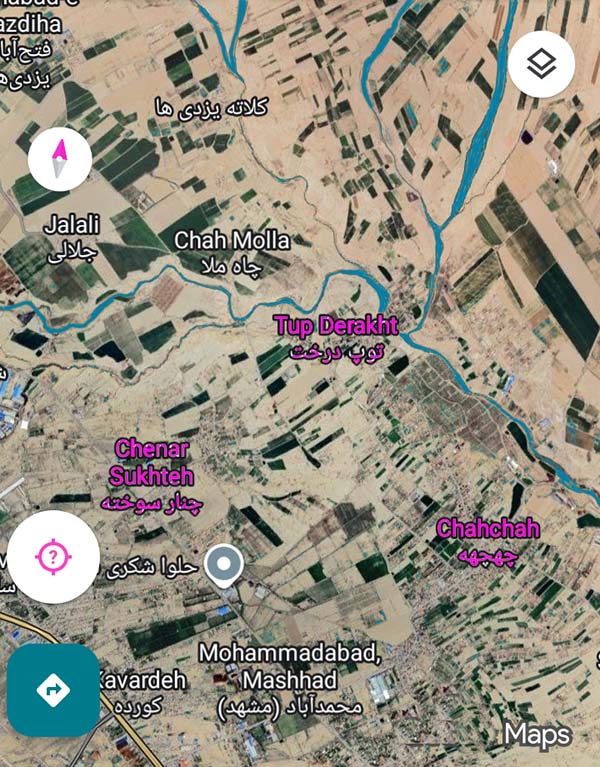
امروز که این مطالب را مینویسم زمین سفید پوش شده است. بارندگی ها افزایش یافته است تا اول دی ماه شاهد بارش برف باشیم. در گذشته بارش برف آغاز اجرای یک سری سنت ها در روستاهای بالادست برای پایین دستی ها بوده است، تا آب بتواند در همه زمان ها جاری بماند و خشکسالی ها به تاخیر بیفتد. سنت هایی مثل برفچال و نگهداری آب در کنار بهره برداری از کاریز (قنات) از آن دسته کارها به شمار میروند.
اگر نام چهچهه را جستجو بزنیم، آن را خاص استان خراسان می یابیم. در فرهنگ لغت چهچهه [ چ َ چ َ ه َ ] ( اِخ ) نام رودی است در مشرق مهنه در شمال شرقی طوس به خراسان.
هنگامی که توسعه روستایی کنار رودها را بررسی میکنیم، نامگذاری های یک دوره خاص به چشم میخورد. مثلا برای کشفرود از سمت شمال شرقی توس به چناران نامهای روستایی از چهچهه داریم تا چنارسوخته که این نامگذاری ها برای رودهای فرعی رودخانه کلات نیز تکرار شده اند:
چهچهه، چنار سوخته و سایر نامگذاری ها بر پایه آب و درخت
با یک بررسی دقیق تر و مقایسه، در می یابیم که چهچهه رود با اهمیتی بوده است که در دوران های مختلف خشکسالی و ترسالی سعی در حفظ آن داشته اند. این رود یکی از رودهای مهم کشفرود بوده است که از سمت کلات جاری میشده و یکی از شاخه های آن از سمت چهچهه کنار کشفرود به این رودخانه میپیوسته است.
چهچهه کلات که روستایی در بالادست کشفرود محسوب میشود، بیشتر جنبه باستانی خود را حفظ کرده است. آثار باستانی بیشتری نسبت به چهچهه نزدیک چناران می یابیم:
خشت نادری، مساجد و آب انبارهایی که هنوز پابرجا هستند
اهمیت جریان آب و رودخانه ها در ایران، از باستان
اهمیت چهچهه کلات بیش از چهچهه چناران بوده است. این روستا که نقش ورودی سدهای امروزی را در باستان داشته است به حفظ و نگهداری از آب انبارها میپرداخته است. حفظ آب و جاری نگه داشتن آن از کلات تا چناران وظیفه دیرینه روستایی های چهچهه کلات بعنوان منطقه ای در سرچشمه کوه های هزار مسجد بوده است. امروزه، نگهداری و ایجاد برکه را که هنوز دایر است را در اِوَز می یابیم.
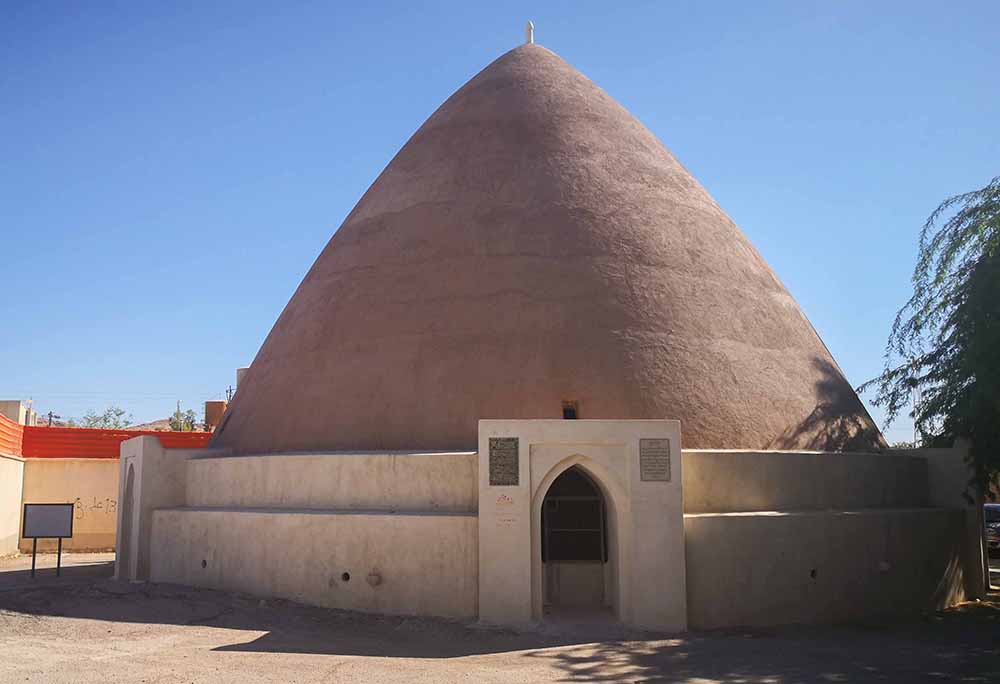
سنت برفچال مازندران گاهی هنوز پابرجاست و با رعایت سنت ها و رسیدگی به آب انبارها، آن فصل ها که بارندگی نبوده است، باران و برف را در کنار کاریز و قنات حفظ میکردند تا در نهایت رودها را جاری ببینند.
آب انبار و سدها فقط برای تامین آب آشامیدنی
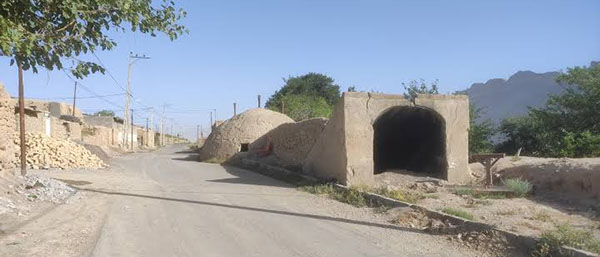
با گذشت زمان و تقسیمات جغرافیایی، آب انبار چهچهه کلات جهت تامین آب آشامیدنی روستای چهچهه تعریف شد. آب ازطریق نهر و جوی به مخزن این آب انبارهدایت و پس ازته نشین شدن رسوبات وافزودن کلربهداشتی و قابل شرب میشده تا اهالی مصرف نمایند. رعایت مسائل بهداشتی و افزودن هزینه هایی برای بهداشتی نمودن آب ها، آن را به محصولی تبدیل کرده که در زمان هایی اجازه قطع دسترسی به آن را بدهند و مانع از جاری شدن آن در مسیر حیات وحش و طبیعت شوند. آبی که برای حفظ گونه های زیست محیطی حیاتی بود، به دلیل بهداشتی شدن قطع شده و فقط در برخی موارد که کشاورزان نیاز مبرم به آن داشتند، آن را باز میکرده اند. در نتیجه این اعمال هم سنت روستای بالادست چهچهه برای حفظ و نگهداری آب در خشکسالی از بین رفته است. امروزه نگهداری آب در مخازنی با هزینه پمپاژ و برق صورت میگیرد که آب را در ارتفاع نگهداری میکنند و چون هزینه آن بالا میرود، مبالغی با کنتور خوانی از مردم میگیرند. تامین برق در مرحله اول با خود جریان آب صورت میگیرد و در زمان هایی که آب نیست از گاز استفاده میکنند و اخیرا نیز شاهد مازوت سوزی سنگین در نیروگاه سیکل ترکیبی توس هستیم.
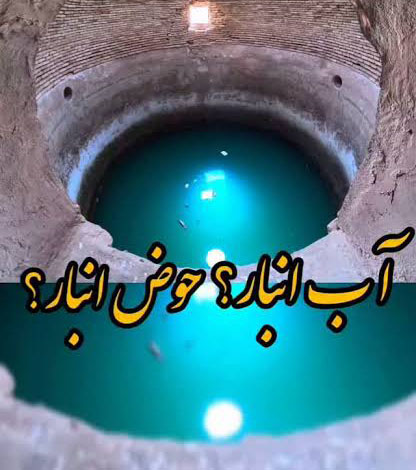
به انباری که حوض دارد چه میگویند؟
آب انبار یا برکه، حوض یا استخر سرپوشیده ای است که برای ذخیره آب معمولاً در زیرزمین ساخته می شود. نه تنها در مناطق کم آب و کویری، آب انبار را از آب باران یا جویبارهای فصلی پر میکرده اند، بلکه در جاهایی مثل مازندران سنت برفچال در زمستان داشته اند و جاهایی مثل چهچهه کلات آب را برای جاری نگه داشتن تا چهچهه چناران حفظ و نگهداری میکرده اند. این سنت تا همین اواخر و در دوره قاجار وجود داشته است.
دستگاه هاضم بیوگاز
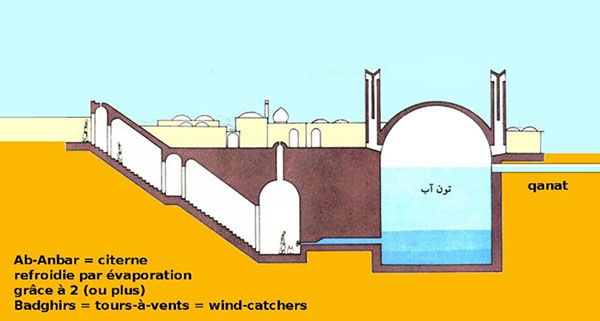
آب انبار یا همان حوض انبار که در کنار قنات استفاده میشود، من را یاد معماری دستگاه هاضمه بیوگاز انداخت که در نوع کوهستانی آن با آجر و سیمان و رس ساخته میشود. اصل وجود دستگاه هاضم بیوگاز بیشتر برای تولید کمپوست است. در کنار آن محصول فرعی تولید گاز خانگی دارند. امروزه، در تولید گاز خانگی از معماری مشابه آب انبار استفاده میشود، با یکسری تفاوت ها و جزئیات که محفظه گاز در بیوگاز تکمیل کننده آن است:
محفظه گاز
محفظه گاز محل تجمع گازهای حاصل از تخمیر مواد است. اصولاً از یک استوانه ته بسته با ورقههای فولادی به ضخامت ۱ تا ۳ میلیمتر ساخته میشود. سقف آنرا به صورت مخروطی میسازند تا هم مقدار بیشتری گاز در آن ذخیره شود و هم آب باران روی آن جمع نشود و پوسیدگی ایجاد نکند. در مرکز راس محفظه گاز یک لوله فلزی ثابت را از داخلش عبور میدهند تا پایین و بالا رفتنش در هنگام مصرف گاز یا تولید گاز کنترل شود.
اختراع نیروگاه بیوگاز ایرانی
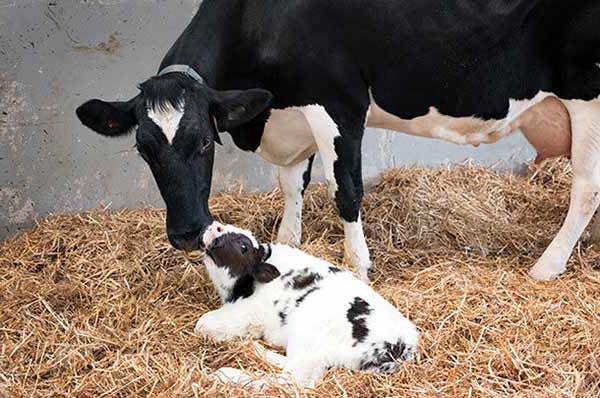
در مازندران دستگاه بیوگاز به عنوان "اولین نیروگاه بیوگاز ایرانی" توسط دو دانشجوی مخترع دانشگاه مازندران با هدف انجام پروژههای فاضلاب انسانی، جمع آوری و تبدیل آن به کود غنی کشاورزی ساخته شده است. امروزه، هند نام دستگاه بیوگاز را برای خود ثبت کرده است و آن هم به دلیل اهمیت دادن بیشتر به حفظ گاوداری ها و تهیه کمپوست برای کشاورزی در هند است.
_______________________
Chehchehe Stream - Kashafarud
Today, as I write this, the ground is covered in white. Rainfall has increased until we will see snowfall on the first day of January. In the past, snowfall was the beginning of a series of traditions in the upstream villages for the downstream ones, so that water could flow at all times and droughts could be delayed. Traditions such as snow-making and water conservation, along with the exploitation of the karez (qanat), are among those things.
If we search for the name Chechehe, we find it specific to Khorasan province. In the dictionary, Chechehe [ چ َ چ َ ه َ ] ( خ ) is the name of a river east of Mahneh, northeast of Tus in Khorasan.
When we examine the rural development along the rivers, the names of a specific period come to mind. For example, for the Kashaf-rud from the northeast of Toos to Chenaran, we have village names from Chechehe to Chenar-Sokhte, and these names have also been repeated for the tributaries of the Kalat River:
Chechehe, Chenar Sokhte, and other names based on water and trees
With a more detailed examination and comparison, we find that Chechehe was an important river that they tried to preserve during different periods of drought and wetness. This river was one of the important rivers of Kashfrud that flowed from the Kalat side, and one of its branches joined this river from the Chechehe side next to Kashfrud.
Chechehe Kalat, which is considered a village upstream of Kashfrud, has preserved most of its ancient aspect. We find more ancient monuments than Chechehe near Chenaran:
Rare bricks, mosques, and cisterns that are still standing
The importance of water flow and rivers in Iran, since ancient times
The importance of Chechehe Kalat was greater than that of Chechehe Chenaran. This village, which played the role of the entrance to today's dams in ancient times, has been concerned with preserving and maintaining water reservoirs. Preserving water and keeping it flowing from Kalat to Chenaran has been the ancient duty of the villagers of Chechehe Kalat as a region at the source of the Hezar Masjid Mountains. Today, we find the maintenance and creation of the pond that is still in operation in Evaz.
Ab Anbar-Evaz
The tradition of Mazandaran snowmen (Barfchal) is sometimes still in existence, and by observing traditions and taking care of the water reservoirs, in those seasons when there was no rainfall, they would preserve rain and snow next to the kariz and qanat to finally see the rivers flowing.
Water reservoirs and dams are only for supplying drinking water
Water reservoir and Chechehe pond
With the passage of time and geographical divisions, the Chechehe Kalat water reservoir was defined to supply drinking water to the village of Chechehe. Water was led to the reservoir through streams and rivers, and after sedimentation and chlorine addition, it became sanitary and drinkable for residents to consume. Observing health issues and adding costs to sanitize water has turned it into a product that at times allows access to it to be cut off and prevents it from flowing into the path of wildlife and nature. Water, which was vital for preserving ecological species, was cut off due to sanitation and only opened in some cases when farmers urgently needed it. As a result of these practices, the tradition of the upstream village of Chechehe to preserve and store water in drought has been lost. Today, water is stored in tanks with pumping and electricity costs that store water at a height and because its cost is rising, people are charged by meter reading. Electricity is initially supplied by the flow of water itself, and when there is no water, gas is used, and recently we have witnessed heavy fuel oil burning at the Toos combined cycle power plant.
Storage pond
What is a storage tank with a pond called?
A storage tank or pond is a covered pond or pool that is usually built in the basement to store water. Not only in areas with little water and deserts, they filled the storage tank with rainwater or seasonal streams, but in places like Mazandaran, they had a tradition of snowmelt in the winter, and places like Checheh Kalat preserved and stored water to keep it flowing to Checheh Chenaran. This tradition existed until recently, during the Qajar period.
Biogas Digester
Storage tank next to a qanat
The storage tank or the storage pond used next to a qanat reminded me of the architecture of a biogas digester, which is made of brick, cement, and clay in its mountainous form. The main purpose of a biogas digester is to produce compost. In addition, they have a by-product of producing domestic gas. Today, in the production of domestic gas, a similar architecture to the storage tank is used, with a number of differences and details that the gas chamber in biogas complements:
Gas chamber
The gas chamber is the place where gases resulting from the fermentation of materials accumulate. It is basically made of a closed-bottomed cylinder with steel sheets 1 to 3 mm thick. Its roof is made conical so that a larger amount of gas can be stored in it and rainwater does not collect on it and cause decay. At the center of the top of the gas chamber, a fixed metal pipe is passed through it to control its lowering and raising during gas consumption or gas production.
Invention of the Iranian biogas power plant
Cow and calf
In Mazandaran, the biogas plant was built as the "first Iranian biogas power plant" by two student inventors from the University of Mazandaran with the aim of carrying out human sewage projects, collecting it and converting it into rich agricultural fertilizer. Today, India has registered the name of biogas plant for itself, due to the greater importance given to maintaining dairy farms and providing compost for agriculture in India.
جنگل دهشک توس
پوشش سبز زمین از منابع و ثروتهای ارزشمند کره خاکی است که به صورت های مختلف نقش مهمی در زندگی و اقتصاد جوامع بشری ایفا کرده است. جنگل و مرتع دو اصطلاح متعارف برای نامیدن گیاهانی است که به علت زیاد اقتصادی بعنوان محصول اصلی و یا فرآوردههای فرعی لقب طلای سبز بخود گرفته اند.
ارزش فرآورده های ثانوی اغلب گیاهان در طبیعت به مراتب بیشتر از ارزش اقتصادی محصولات اصلی و مستقیم آنان است. دراین میان میتوان به انواع مختلف گونه های بلوط، گردو، زیتون، بید، بیدمشک و پسته وحشی یا همان بنه در بین درختان بومی اشاره کرد. این موضوع در خصوص هزاران گونه علفی و خوبی نظیر باریجه، آنغوزه، گون، نعناع، آویشن، شیرین بیان و غیره به مراتب بیشتر است.
به جرئت میتوان گفت که هیچ گیاهی در بین عالم خلقت وجود ندارد که فاقد خاصیت دارویی و یا ارزش بخصوص نباشد و چنانچه گیاهانی وجود دارد که هنوز خاصیتی برای آنها شناخته نیست، دلیلش را تنها در ضعف علمی و آگاهی های بشر باید جست.
در کشور ایران با دارا بودن تنوع زیستی و آب و هوایی گوناگون، بالغ بر هشت هزار گونه گیاهی با ارزش وجود دارد که واجد بسیاری از خصوصیات شناخته شده بعنوان غذا، دارو یا سایر کاربردهای صنعتی میباشند.
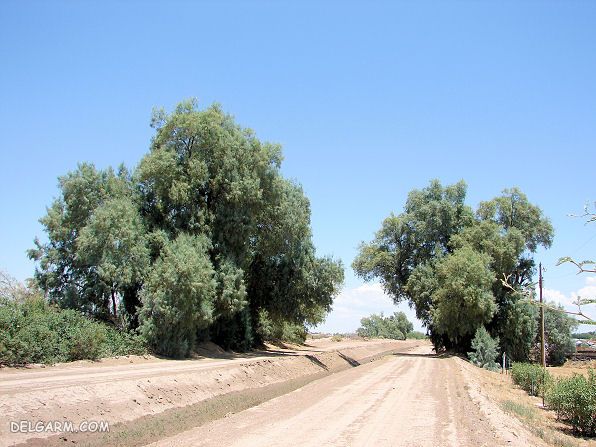
بهره برداری مستقیم از گیاهان و طبیعت جنگل به میزان زیاد و خارج از ظرفیت، سبب تخریب پوشش گیاهی در رویشگاههای طبیعی میگردد. این مورد را میتوان خصوصا در روستاهای اطراف کشفرود در مشهد و توس یافت. روستاهایی مانند کشف، و نخودک که فقط نامی از آنها باقی مانده است و دهشک، شاهراه، کلاته برفی و شمس آباد، که در توس شهرت دارند.
تداوم این امر علاوه بر تخریب اکوسیستمهای طبیعی سبب میشود تا در صورت عرضه گیاهان غیر بومی بجای بومی توسط افراد ناآگاه و احتمالا سودجو و یا توصیه به کاشت نابجای گیاهان نتوانیم آنطور که باید کشفرود را احیا کنیم و بلکه سلامت جامعه را نیز به خاطر بیندازیم.
براین مبنا به شناساندن برخی گیاهان مفید که رستنگاه آنان کناره رودخانه است میپردازیم.
طلای سبز کشفرود
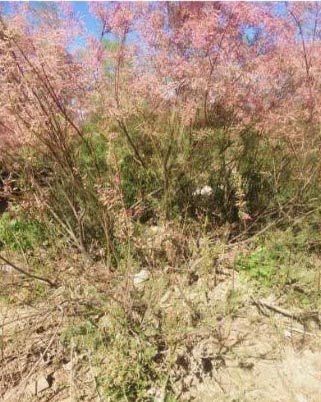
یکی از روشهای حفاظتی سواحل رودخانه استفاده از پوشش گیاهی چمنی درختچه ها، بوته زارها و درختان است. هر چه این گیاهان با ساحل سازگارتر باشند، حفاظت بهتر صورت می گیرد. از گیاهان بومی اطراف کشف رود نی گز و بید هستند. کشفرود گونه منحصر به فردی از گز دارد که مختص همین منطقه است. در کنار کشفرود روستایی با نام نیستان داریم که اشاره به نیزارهای وسیع اطراف کشفرود دارد. همچنین درخت بید، گیاهی آبدوست است که گونه های مختلف آن در اطراف کشفرود یافت میشود.
این گیاهان همچنین میتوانند به عنوان نشانگرهای زیستی در تشخیص مقادیر زیاد کادمیوم آرسنیک و منگنز به کار روند. به این صورت که در گیاه نی، برگها و ساقه مقادیر زیادتری نسبت به سایر گیاهان عنصر منگنز را خیره میکند و میتوان در آزمایشگاه این مقدار زیادتر از حد مجاز را رصد کرد و آلودگی آب از این عناصر را پاکسازی کرد، به این کار گیاه پالایی میگویند. بید نشانگر زیستی آرسنیک است، و گز نشانگر کادمیوم میباشد. آلودگی آبها توسط این عناصر توسط پژوهشگران به دقت چک می شود، چرا که این عناصر برای بدن انسان در دوزهای بالا خطرناک هستند، گرچه مقادیر صحیح آنها ضرری ندارد. با کاشت این گیاهان گز، بید و نی میتوان مازاد دوزهای این عناصر خطرناک را برداشت کرد. چون گیاه از خاکی که این عناصر در آن زیاد است به عنوان ماده اولیه مورد نیازش استفاده میکند. وقتی خاک بستر رودخانه از این عناصر پاک شود، همزمان آب نیز از آلودگی پاک میشود. به علاوه محیط زیست مناسبی برای سایر جانداران اکوسیستم فراهم میگردد.
جنگل دهشک توس
_aaje.jpg)
در مکانیابی کاشت این گیاهان بومی قبلاً در پایان نامه ای دانشگاهی به ریزآبه کارده کشفرود اشاره شده بود، ولی اکنون با توجه به ظرفیت های جدیدی که در اطراف روستا باغ های توس ایجاد گردیده است توس انتخاب میگردد. در منطقه توس انگیزه زیادی برای حفظ محیط زیست آن وجود دارد و وجود پارک های اکولوژیک و ژوراسیک موجود گواه این مطلب میباشد. روستاهایی مانند خطایان و دهشک میتوانند مقصد خوبی برای کاشت این گیاهان باشند. خصوصا اینکه در سمت غربی دهشک که رودخانه از میانه آن میگذرد با بهسازی پوشش گیاهی و احیای جنگل های آن میتوان به رونق کسب و کار روستا امید داشت. قدمت روستاهای اطراف کشف رود به دوران پارینه سنگی باز میگردد و باستان شناسان قدمت آن را تا آغاز تمدن در مصر تخمین زده اند. دهشک نیز، قدمت تاریخی و باستانی زیادی دارد و بهبود زیرساخت های آن میتواند زمینه گردشگری استان را رونق ببخشد.
_____________________
The green cover of the earth is one of the valuable resources and wealth of the planet that has played an important role in the life and economy of human societies in various ways. Forest and pasture are two common terms for naming plants that have been called green gold due to their high economic value as main products or by-products.
The value of secondary products of most plants in nature is far greater than the economic value of their main and direct products. Among these, we can mention various types of oak, walnut, olive, willow, wild pistachio or the same as the boletus among native trees. This is much more the case with thousands of herbaceous and good species such as barijeh, angoze, arum, mint, thyme, licorice, etc.
It can be said with confidence that there is no plant in the world of creation that does not have medicinal properties or special value, and if there are plants for which no properties are yet known, the reason should be sought only in the weakness of science and human awareness.
In Iran, with its diverse biodiversity and climate, there are over eight thousand valuable plant species that have many known properties as food, medicine or other industrial applications.
Gaz- a plant on the shore
Direct exploitation of plants and forest nature in large quantities and beyond capacity causes the destruction of vegetation in natural habitats. This can be found especially in the villages around Kashfrud in Mashhad and Toos. Villages such as Kashf, and Nakhodak, of which only their names remain, and Dehshak, Shahrah, Kalateh Barfi and Shams Abad, which are famous in Toos.
The continuation of this, in addition to the destruction of natural ecosystems, will cause us to be unable to restore Kashfrud as we should, and we will also have to consider the health of the community.
Based on this, we will introduce some useful plants that grow on the banks of the river.
Green Gold of Kashafrud
Gaz - When Flowering
One of the methods of protecting the river banks is to use grass vegetation, shrubs, bushes and trees. The more compatible these plants are with the bank, the better the protection will be. Native plants around Kashfarud include reeds, gaz and willow. Kashaf-rud has a unique species of gaz that is specific to this region. Next to Kashfarud, we have a village called Neyestan, which refers to the vast reeds around Kashaf-roud. Also, the willow tree is a water-loving plant whose different species are found around Kashfarud.
These plants can also be used as biomarkers in detecting high levels of cadmium, arsenic and manganese. In the case of the reed plant, the leaves and stems absorb higher levels of manganese than other plants, and this amount can be monitored in the laboratory above the permissible limit and water pollution from these elements can be cleaned, this work is called phytoremediation. Willow is a biomarker of arsenic, and gaz is a cadmium indicator. Water pollution by these elements is carefully checked by researchers, because these elements are dangerous to the human body in high doses, although their correct amounts are not harmful. By planting these plants, gazania, willow, and reed, excess doses of these dangerous elements can be harvested. Because the plant uses soil rich in these elements as the raw material it needs. When the soil of the riverbed is cleaned of these elements, the water is also cleaned of pollution at the same time. In addition, a suitable environment is provided for other organisms in the ecosystem.
Dehshak Toos Forest
In locating the planting of these native plants, the Kashfarud tributary was previously mentioned in an academic thesis, but now Toos has been selected due to the new capacities that have been created around the Tous Gardens village. There is a great motivation in the Toos region to preserve its environment, and the existence of ecological and Jurassic parks is evidence of this. Villages such as Khatayan and Deheshk can be a good destination for planting these plants. Especially on the western side of Dehshak, where the river flows through, by improving the vegetation and restoring its forests, one can hope for the prosperity of the village's business. The villages around Kashf-e Rud date back to the Paleolithic era, and archaeologists have estimated its age to the beginning of civilization in Egypt. Dehoshak also has a long history and antiquity, and improving its infrastructure can boost the province's tourism sector.
منطقه حفاظت شده کدوحلوایی
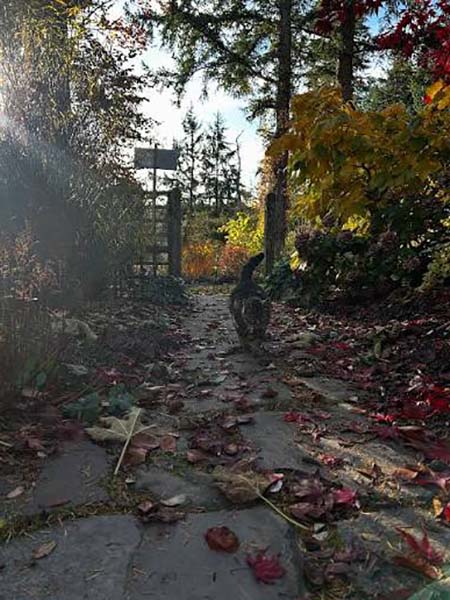
امروزه رودخانه ها، این گنجینه های بی نهایت گرانبها، به دلیل خشکسالی های پی در پی شکننده شده اند و ناپایداری تغییرات اقلیمی آنها را بیش از پیش آسیب پذیر کرده است.
افزایش دمای زمین باعث تغییر در بسیاری از جنبههای زیستی گونهها مثل فنولوژی، فیزیولوژی، ریختشناسی، چرخه جمعیتی و پراکنش گونهها شده است. پیشبینی میشود تغییرات اقلیم بیشترین تاثیر را روی گونههای دارای پراکنش جغرافیایی کم، گونههای کوهستانی و گونههای بومی بگذارد. فنولوژی شامل رخدادهای زیستی دورهای یا سیکلی در گیاهان و جانوران میباشد که متاثر است از شرایط محیطی به ویژه تغییرات دمایی ناشی از شرایط هوا و اقلیم. برخی از این رخدادهای زیستی عبارتند از جوانه زنی و گلدهی گیاهان در بهار، تغییرات رنگ برگها در پاییز، مهاجرت و لانهسازی پرندگان و حشرات و خواب زمستانی آنها. این ها هنگام تغییر اقلیم دستخوش تغییراتی میشوند، و اگر گونه نتواند خود را با تغییرات سازگار کند، امکان انقراض آن وجود دارد.
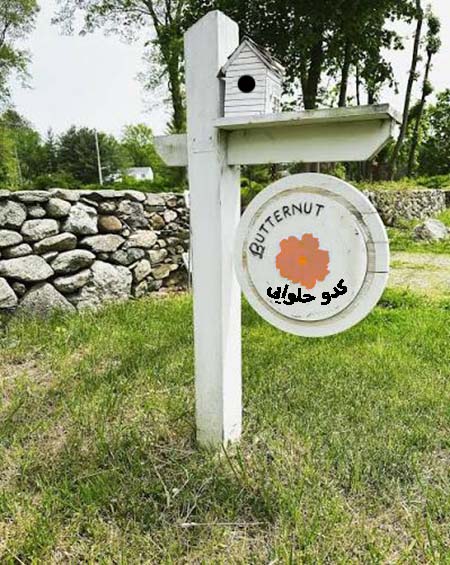
جلب مشارکت جوامع محلی در برنامههای حفاظت از حیات وحش و آموزش آنان در مورد اهمیت حفظ تنوع زیستی میتواند تأثیر مثبتی داشته باشد. ایجاد کریدور یا راهروهای ارتباط اکولوژیک بر کاهش اثرات تغییرات اقلیمی موثر است. زیستگاه گونههای حیات وحش محدود شده است ولی از طریق کریدورها میتوانند جابجا شوند. از سوی دیگر وقتی یک گروه بومی بر اثر تغییرات اقلیمی آسیب میبیند، ورود گونه غیربومی میتواند ضربه نهایی را به آن وارد کند. اگر گونههای غیربومی وارد نشود، اثر مخرب گونههای آنهایی که مانند راکون، انواع ماهیها، خزندگان مثل پیتون و لاکپشت پشت گوش قرمز شناخته شده اند، کاهش مییابد.
هر بار که محیط زیست بطور کلی مورد تهاجم قرار میگیرد، زیست بوم های اکولوژیک و آثار باستانی موجود در آنها و کناره رودخانه ها آسیب بیشتری میبینند. آنها نیازمند مراقبت بیشتری هستند. بعنوان مثال، ریزآبه های کشفرود در منطقه کلاته برفی چند سالیست که مورد غفلت قرار گرفته است و نیازمند توجه بیشتری از سمت مسئولین و ساکنین منطقه است.
کشف رود، این رود باستانی حماسه ساز نیز در پی این بی توجهی مسیرش در همین منطقه و روستای دهشک کمرنگ شده و باید احیا و بازسازی شود.
پارک های طبیعی نیز آسیب پذیرند
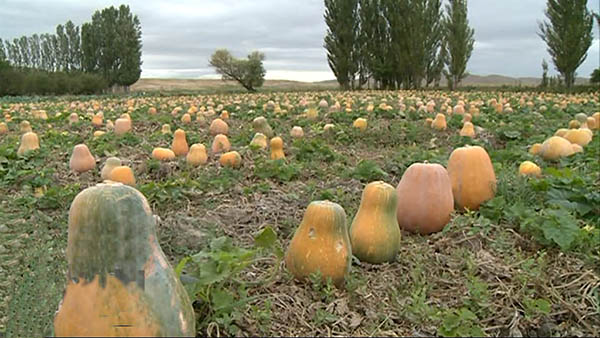
دادن چند امتیازی به طراحان جاده های وسیع اتومبیل رو و یا به شکارچیان حرفه ای و بانیان هتل های زنجیره ای برای نابودی پارکهای طبیعی کافیست. حفاظت از این گنجینه های زیست بومی کم کم به صورت یک وظیفه دائم در می آیند و کشورهای عضو میراث کنوانسیون میراث جهانی این وظیفه را به طور موثری انجام میدهند. ما بر آن هستیم که با ارائه راهکار عملی افکار عمومی را تقویت کنیم تا بتوانیم از آب و خاک خود بعنوان اموال غیرمنقول حفاظت کنیم.
منطقه حفاظت شده کدوحلوایی
یکی از این راهکارها به ایجاد کریدورهای زیستی، تعریف چند منطقه حفاظت شده به نام منطقه حفاظت شده کدو حلوایی به منظور ارج نهادن بر این میوه با برکت و مزارع آن است که مناسب انسان و دام هستند. منطقه حفاظت شده کدوحلوایی از نظر طرح در ایران قدمت چندانی ندارد. رودخانه ها و ریزآبه ها هدف نهایی طرح هستند. این طرح اگر رعایت شود به تلاش برای حفظ بیشتر اکولوژی رودخانه ها منجر میشود.
صدماتی که بر طبیعت وارد می آید بسیار سنگین است. از آنجمله میتوان به نابودی جنگل ها، فرسایش و تخریب خاک، از میان رفتن انواع گیاهان و جانوران، آلودگی آب و هوا، خشکی ها و دریاها، افزایش محلات کثیف و گسترش آسفالت و کاهش فضای سبز اشاره کرد. با این حال پیام ساده است. نمونه های زیادی از بهره بردن از منابع طبیعی داریم که ضمن مکانیسمی، منابع مورد استفاده را به خاطر نمی اندازند. از آنجمله میتوان به نمونه موفق پارک جنگلی کوهسار اشاره کرد که چشم انداز زیبایی را در حد بضاعت به وجود آورده اند.
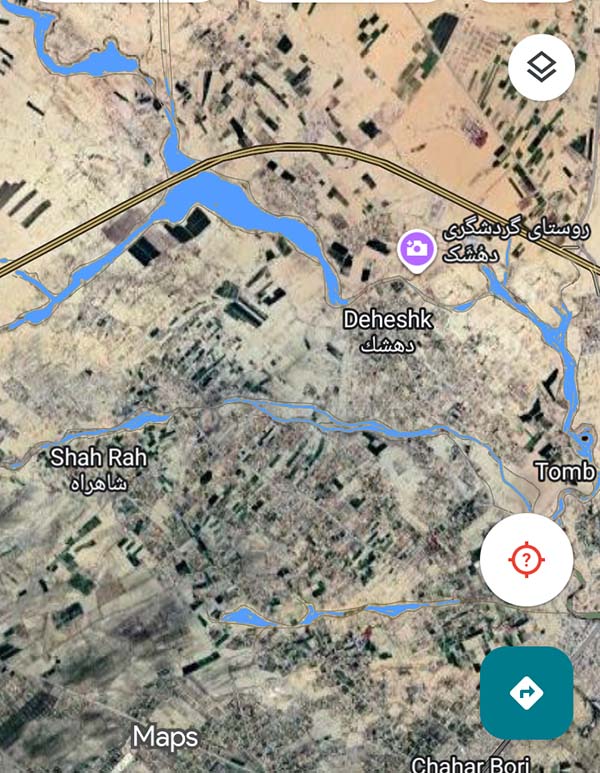
امروز میتوان آن را با تصاویر ماهواره ای از بالا نظاره گر باشیم و امید داشته باشیم روزی آنچه بعنوان ریزآبه های کشفرود، دریاچه مانند شده، حفاظت میشوند و مسیری برای انتقال آب به مسیر اصلی رود میشوند. از سویی دیگر، با کاشت درختان زیستگاه پرندگان را تضمین میکنیم و به پایداری و تثبیت رطوبت هوا میپردازیم.
با تعریف چند مورد از این مناطق در جاهایی که قطب کدوحلوایی کشور هستند مثل روستای بیار خراسان شمالی، روستای قازانلو آذربایجان شرقی و منطقه فیروزآباد سیستان و بلوچستان که از آنها نیز رودهایی میگذرد، تلاش کشاورزان زحمت کش را ارج مینهیم و امیدواریم این میراث گرانبها، آب، بیش از پیش پاسداری شود و آرزو میکنیم در آینده نه چندان دور این مناطق با درختانی متراکم منظره هایی را بسازند و به تعداد این مکان ها افزوده شود.
________________
Wildlife Conservation
Today, rivers, these invaluable treasures, are becoming increasingly fragile due to repeated droughts, and the instability of climate change has made them even more vulnerable.
Rising global temperatures have caused changes in many aspects of the biology of species, such as phenology, physiology, morphology, population cycles, and species distribution. Climate change is expected to have the greatest impact on species with a small geographical distribution, mountain species, and endemic species. Phenology includes periodic or cyclical biological events in plants and animals that are affected by environmental conditions, especially temperature changes caused by weather and climate conditions. Some of these biological events include the germination and flowering of plants in spring, the color changes of leaves in autumn, the migration and nesting of birds and insects, and their hibernation. These undergo changes when the climate changes, and if the species cannot adapt to the changes, its extinction is possible.
Pumpkin Preserve
Involving local communities in wildlife conservation programs and educating them about the importance of preserving biodiversity can have a positive impact. Creating ecological corridors or pathways can help mitigate the effects of climate change. Wildlife species have limited habitats, but they can move through corridors. On the other hand, when a native group is being harmed by climate change, the introduction of a non-native species can be the final blow. If non-native species are not introduced, the destructive impact of species that are known to exist, such as raccoons, fish species, reptiles such as pythons and red-eared slider turtles, will be reduced.
Whenever the environment is invaded in general, the ecological habitats and the ancient monuments in them and along the riverbanks are more damaged. They need more care. For example, the Kashafrud tributaries in the Kalateh Barfi region have been neglected for several years and require more attention from the authorities and residents of the region.
Kashfrud, this ancient epic river, has also lost its course in the same region and the village of Deheshk due to this neglect and needs to be restored and reconstructed.
Natural parks are also vulnerable
Pumpkin Farm
Giving a few points to the designers of wide highways or to professional hunters and founders of chain hotels is enough to destroy natural parks. The protection of these ecological treasures is gradually becoming a permanent task, and the countries that are members of the World Heritage Convention are carrying out this task effectively. We aim to strengthen public opinion by providing practical solutions so that we can protect our water and soil as immovable property.
Pumpkin Protected Area
One of these solutions is to create biological corridors, define several protected areas called Pumpkin Protected Area in order to honor this blessed fruit and its fields that are suitable for humans and livestock. Pumpkin Protected Area is not very old in terms of planning in Iran. Rivers and its tributaries are the ultimate goal of the plan. If this plan is followed, it will lead to efforts to further preserve the ecology of rivers.
The damage that is done to nature is very heavy. Among them are the destruction of forests, erosion and soil destruction, the disappearance of various plants and animals, pollution of water, air, land and sea, the increase in dirty neighborhoods and the spread of asphalt and the reduction of green space. However, the message is simple. We have many examples of using natural resources that, while being a mechanism, do not remember the resources used. Among them, we can mention the successful example of Kohsar Forest Park, which has created a beautiful landscape within the limits of its means.
Today, we can observe it from above with satellite images and hope that one day what are known as the small streams of the Kashfarud, which have become lake-like, will be protected and become a path for transferring water to the main river. On the other hand, by planting trees, we guarantee the habitat of birds and stabilize and stabilize the humidity of the air.
By defining a few of these areas in places that are the pumpkin hub of the country, such as the village of Biar in North Khorasan, the village of Kazanlu in East Azerbaijan, and the Firuzabad region of Sistan and Baluchestan, which also have rivers flowing through them, we honor the efforts of hardworking farmers and hope that this precious heritage, water, will be protected more than ever and we hope that in the not too distant future, these areas will create landscapes with dense trees and the number of these places will increase.
وقف سقاخانه و دهشک
حرم امام رضا و دهُشَک
اکنون که به ماه مبارک رمضان نزدیک میشویم، قدری از نقش حیات بخش کشفرود و مردم بخشنده و آگاه آن که با اعتقادات دینی بارگاه امام هشتم را رونق داده اند، بیان میکنیم. کشف رود در شهر مشهد محله بالا خیابان و پایین خیابان را طی میکرده است. امروز مسیر آن همچنان در کال قره خان مشخص است. مردم در کنار این رود زندگی میکردند و این رودخانه آرام با طی مسیر طولانی باغات توس را سیراب میکند. هرکدام از روستاهای اطراف توس، هم از این رودخانه استفاده میکردند و هم از رونق زندگی شان به شکل وقف برای آبادانی استفاده میکردند. این وقف ها جزو اسناد مهم رسمی کشور هستند که در مسیر کشفرود تاریخی قرار داشته است. بخش عمده ای از اسناد وقف در شهر مشهد مرتبط با حرم مطهر رضوی است. حرم رضوی (حرم امام رضا) از دیرباز میزبان سفره های افطار و قرائت قرآن و اذان گفتن موذن ها هنگام افطار و سحر بوده است. این آیین ها دستورالعمل هایی داشته است که با مطالعه اسناد تاریخی آستان قدس رضوی به یکی از آنها اشاره میکنیم.
این سند مربوط به روستای دهشک (دهُشَک) در غرب کشفرود و از روستاهای توس باستانی است. دهشک روستایی بوده است در کنار کشفرود خروشان با زمین ها و باغات سرسبز و درآمد فراوان که در زمانی که مشهد پایتخت نادری شد، انقدر درآمد داشت که بخشی از آن را وقف توسعه حرم رضوی کردند. محصولات باغات آن بادام، و انواع میوه مثل سیب، گلابی، آلبالو، آلو و گیلاس است.
شب های قدر
نقاره زنی رویت هلال ماه، و مراسم سلام دومین امام شیعیان (امام حسن مجتبی) را در ایوان طلای (نادری) صحن قدیم که بگذرانیم میرسیم به شب های قدر. در شب های نزول قرآن (شب قدر) برخلاف سایر شب ها، صحن و سرای رضوی در نور شمع ها و چلچراغ ها روشن بوده است. حتی قندیل ها، پیه سوزها و مشعل ها هم روشن می ماند تا مراسم شب های قدر با شکوه و عظمت خاصی برگزار شود.
بخشی از اسناد که بیانگر حال و هوای حرم مطهر در شب های قدر هستند، در دوره صفویه ثبت شده اند. این اسناد نشان میدهد همزمان با شب های احیای قدر، مراسم ویژه ای در بارگاه ملکوتی امام رضا علیه السلام به صورت یک سنت، هر ساله برگزار میشده است. در این ایام، مستغلات و دکان های حرم مطهر تعطیل و برخلاف شب های دیگر که در ابتدای شب چراغ های حرم مطهر خاموش میشده، در این ایام حرم رضوی تا صبح روشن بوده و چراغ خانه علی بن موسی الرضا (ع) نیز به نشانه احیا تا صبح روشن می مانده است. هم چنین در این شب ها، نقاره زنی و نواختن طبل ممنوع بوده است.
مراسم نخل بندی را برای سالروز شهادت امام علی علیه السلام در ماه رمضان برگزار میکرده اند. قدیمی ترین سند این ایام مربوط به روضه خوانی شب بیست و یکم ماه رمضان سال 1112 هجری قمری میباشد. اسنادی وجود دارد که به برپایی مراسم «نخل بندی» در دوره های صفویه و افشاریه اشاره میکند. دوره افشاریه بعد از دوره صفویه است و مربوط به زمانی است که پایتخت ایران در خراسان واقع شده است. نادرشاه افشار، بیشترین ثروت را برای ایرانیان به دست آورد و با طلاهایی که از نبردهایش در هند کسب کرد، گنجینه خانه خود را در کلات نادری (خشت نادری) پر کرد. در آن دوره، انقدر وضع طلای ایران خوب بود که برای پاداش طلا به صورت کیلویی اهدا میشده است.
گفتیم ایوان طلا. در حرم امام رضا چندین المان داریم که طلا هستند، و یکی از آن ها سقاخانه اسمامیل طلایی است. این سقاخانه در دوره نادرشاه افشار (حدود سیصد سال پیش) وقف حرم امام رضا شده بود. نادر شاه که وارثان او امروز نادری خوانده میشوند، موقوفاتی داشته است که یکی از آنها را باهم مرور میکنیم.
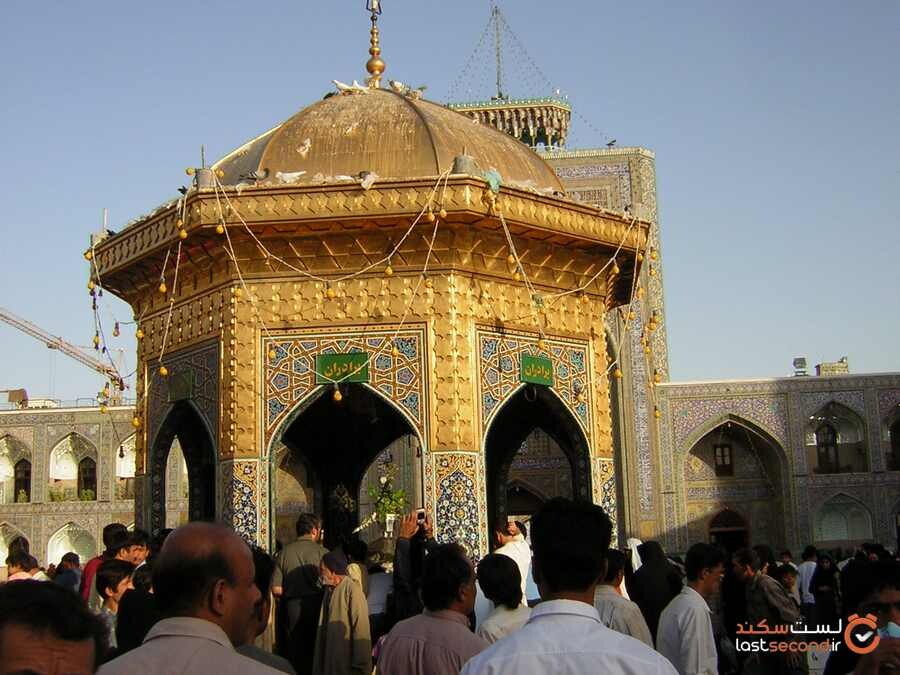
وقف سقاخانه اسماعیل طلایی توسط نادرشاه افشار
سقاخانه اسماعیل طلایی در صحن ایوان طلای نادری قرار دارد. این صحن، قدیمی ترین صحن حرم امام رضا علیه السلام است. این صحن چند ایوان زیبا دارد که یکی از آنها ایوان طلاست. ایوان عباسی در شمال صحن، ایوان ساعت در غرب و ایوان نقاره خانه در شرق این صحن است. در این صحن میتوانید از سقاخانه معروف اسماعیل طلا آب بنوشید و پای پنجره فولاد بروید. در گذشته مردم به نیت شفا، آب این سقاخانه را برای سوغات میبردند. نماز خواندن در این صحن هم حال و هوای خودش را دارد؛ چون قبله و گنبد در یک جهت هستند.
اولین موضوعی که نادر درباره عواید موقوفاتش دستور داده، سقاخانه اسماعیل طلایی صحن انقلاب است. در وقفنامه آمده است که ۲ نفر هر روز با یک گاری دو اسبه از طرق (یکی از ریزآبه های مهم شرق کشف رود) برای سقاخانه آب بیاورند و در فصل گرما اگر نیاز بود اقدام به خرید یخ کنند.
جیره و مواجب این ۲ نفر را هم گفته که از درآمد مزرعه دهشک بدهند. حتی اگر اسبهایشان مردند یا پیر شدند، از همان پول مزرعه ۲ اسب جوان و تندرو و سرحال خریداری شود.
هر ۵ سال یکبار هم فرش و نمدهای قدیمی، پردههای زربفت را عوض کنند و همه را نو بخرند از همان درآمد موقوفهها. قدیمیها را هم بفروشند و پولش را بین نیازمندان شهر تقسیم کنند.
نادرشاه افشار اینقدر احترام برای پدران خود قائل بوده است که بخشی از درآمدهای زمینها و دکان هایش را وقف مقبره باباعلی بیگ کرده است. به این صورت که هر روز ۹۰۰ دینار تبریزی برای ۶ حافظ قرآن، یکنفر فراش و روشنایی و بخور مقبره شریفه باباعلی باید خرج شود تا در جوار رحمت و غفران حق آرام بگیرد. امروزه مقبره باباعلی در حرم است، ولی جای آن مشخص نیست. آرامگاه نادرشاه افشار در باغ نادری و نزدیکی حرم امام رضا قرار دارد.
__________
Imam Reza Shrine and Dehoshak
Now that we are approaching the holy month of Ramadan, we would like to express a little about the life-giving role of the Kashf-ud River and its generous and aware people who have enriched the shrine of the eighth Imam with their religious beliefs. The Kashaf-rud River used to flow through the upper and lower neighborhoods of Mashhad. Today, its route is still clear in Kal Qara Khan. People lived along this river, and this calm river flows along a long path, watering Toos gardens. Each of the villages around Tous used this river and used their prosperity in the form of endowments for development. These endowments are among the important official documents of the country that are located on the historical Kashf-ud River. A large part of the endowment documents in Mashhad are related to the Razavi Holy Shrine. The Razavi Shrine (Imam Reza Shrine) has long been the host of iftar tables, recitation of the Quran, and the call to prayer by muezzins during iftar and sahur. These rituals had instructions, one of which we will refer to by studying the historical documents of Astan Quds Razavi.
This document is related to the village of Dehshak (Dehshak) in the west of Kashfrud and is one of the ancient Tous villages. Dehshak was a village next to the roaring Kashfrud with lush lands and gardens and abundant income. When Mashhad became the capital of Naderi, it had so much income that part of it was dedicated to the development of the Razavi Shrine. The products of its gardens are almonds, and various fruits such as apples, pears, sour cherries, plums and cherries.
Nights of Power )Qadr Night(
We will spend the silversmithing of the sighting of the crescent moon, and the ceremony of greeting the second Imam of the Shiites (Imam Hassan Mujtaba) in the golden porch (Naderi) of the old courtyard, and we will come to the Nights of Power. On the nights of the revelation of the Quran (Night of Power), unlike other nights, the courtyard and the Razavi Palace were lit by the light of candles and chandeliers. Even the lamps, tallow burners and torches were kept on so that the Nights of Power ceremonies could be held with special splendor and grandeur.
Some of the documents that express the atmosphere of the Holy Shrine on the Nights of Power were recorded in the Safavid period. These documents show that, simultaneously with the nights of revival of power, a special ceremony was held in the heavenly court of Imam Reza (AS) as a tradition every year. During these days, the properties and shops of the Holy Shrine were closed, and unlike other nights when the lights of the Holy Shrine were turned off at the beginning of the night, during these days the Razavi Shrine was lit until morning, and the lamp of the house of Ali ibn Musa al-Reza (AS) also remained lit until morning as a sign of revival. Also, during these nights, playing drums and playing flutes was prohibited. The palm-wrapping ceremony was held for the anniversary of the martyrdom of Imam Ali (AS) in the month of Ramadan. The oldest document of these days is related to the recitation of the prayer in the 21st night of Ramadan in the year 1112 AH. There are documents that refer to the holding of the "palm-wrapping" ceremony during the Safavid and Afsharid periods. The Afsharid period is after the Safavid period and relates to the time when the capital of Iran was located in Khorasan. Nader Shah Afshar gained the most wealth for the Iranians and filled his treasury in Naderi Kalat (Naderi Brick) with the gold he won from his battles in India. At that time, the state of Iran's gold was so good that gold was given in kilos as a reward.
We mentioned the Golden Porch. There are several elements in the Imam Reza shrine that are made of gold, and one of them is the Ismaeil Golden Porch. This Porch was dedicated to the Imam Reza shrine during the reign of Nader Shah Afshar (about three hundred years ago). Nader Shah, whose heirs are called Naderis today, had endowments, one of which we will review together.
The Endowment of the Ismael Golden Porch by Nader Shah Afshar
The Ismael Golden Porch is located in the courtyard of the Naderi Golden Porch. This courtyard is the oldest courtyard of the Imam Reza shrine. This courtyard has several beautiful porches, one of which is the Golden Porch. The Abbasi Porch is in the north of the courtyard, the Clock Porch is in the west, and the Narghar Khan Porch is in the east of this courtyard. In this courtyard, you can drink water from the famous Ismail Tala water fountain and go to the steel window. In the past, people would take water from this water fountain as souvenirs with the intention of healing. Praying in this courtyard also has its own atmosphere; because the Qibla and the dome are in the same direction.
The first issue that Nader ordered regarding the proceeds of his endowments is the Ismail Tala water fountain in the Revolution courtyard. The endowment letter states that two people should bring water for the water fountain every day with a cart of two horses from the Tork (one of the important tributaries east of the Kashf River) and buy ice if needed in the hot season.
He also said that the rations and salaries of these two people should be paid from the income of the Dehshak farm. Even if their horses died or grew old, two young, fast and healthy horses should be purchased from the same money from the farm.
Every 5 years, old carpets and felts, gold-woven curtains should be replaced and all new ones should be bought from the same income from the endowments. Sell the old ones and distribute the money among the needy in the city.
Nader Shah Afshar had such respect for his fathers that he dedicated part of the income from his lands and shops to the tomb of Baba Ali Bey. In this way, 900 Tabrizi dinars must be spent every day for 6 Quran memorizers, one bed, lighting, and incense for the noble tomb of Baba Ali so that he may rest in the mercy and forgiveness of God. Today, Baba Ali's tomb is in the shrine, but its location is not known.The tomb of Nader Shah Afshar is located in Naderi Garden and near the shrine of Imam Reza.
آجر پسماند و جلوگیری از آلودگی آب رودخانه
آبهای سطحی شامل آب باران، روانآبهای شهری، سیلابها و آب رودخانهها هستند که هنگام عبور از سطح زمین، با گلولای، فلزات سنگین، زبالهها، مواد شیمیایی جاری میشوند. به غیر از آب آشامیدنی تمیز، ما نیاز داریم که آب اقیانوسها، رودخانهها و دریاچهها را نیز تمیز و غیر آلوده نگه داریم چون در غیر این صورت طی مراحل چرخه زیستی به خودمان برمیگردد و سلامتی اکوسیستم را به خطر می اندازند. به آنچه که ماهیت آب را تغییر دهد آلودگی آب میگویند. در این مطلب به برخی عوامل آلوده کننده آب های جاری میپردازیم و توضیح میدهیم که چطور میشود از آلودگی آب جلوگیری کرد.
آبی که در رودخانه های سطحی و کشف رود جاری میشود را باید تمیز نگهداریم. در درجه اول، برای این تمیزی به کاهش آلودگی از طریق تفکیک در مبدا اشاره میشود. تفکیک زباله از مبدا، در واقع همان فرایند شناسایی و جداسازی زبالههای قابل بازیافت و غیر قابل بازیافت است که معمولا با هدف کاهش زبالهها صورت میگیرد.

از همان ابتدا پیشنهاد میشود که در مبدا زباله کمتری تولید شود و استفاده مجدد صورت گیرد. استفاده مجدد به هر فعالیتی گفته میشود که عمر مصرف وسایل و مواد را بالا ببرد. مثلا به طور خلاقانه کاربرد دیگری برای وسایل غیرقابل استفاده پیدا کنیم و آنها را دور نریزیم. استفاده مجدد از زباله (Reuse) یکی از بهترین راهکارها برای کاهش تولید زباله و حفظ محیط زیست است
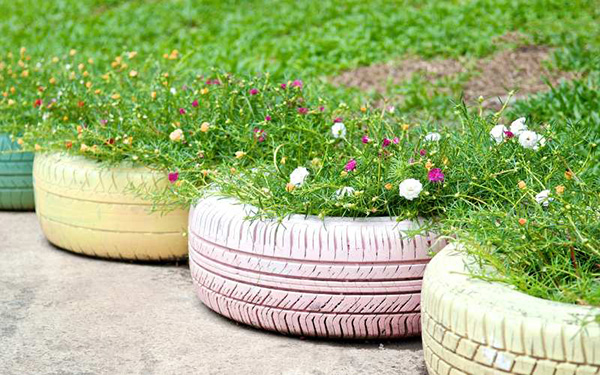
در مرحله بعدی عملیات لایروبی و استخراج زباله از محل رودخانه ها پرداخته میشود.
در کشورهای مختلف، هنگام ارائه طرح های لایروبی و حفاظت از دیواره و کناره رودخانه با سنگ چینی (با سنگ قلوه) و ماسه ها، طرح های مختلفی برای جمع آوری زباله های اطراف آن طی مراحل مختلف میدهند. از مزایای دیوار چینی با سنگ رودخانه، محیط زیست و دوام بالای آن است. با استفاده از سنگهای طبیعی و محلی، این نوع دیوارها به عنوان یک راهکار محیطپسند در نظر گرفته میشوند. از شن و ماسه و لای به دست آمده از لایروبی نیز برای آباد سازی و ترمیم نواحی احداث ساحل جزایر مصنوعی و یا ساخت موج شکن استفاده می شود.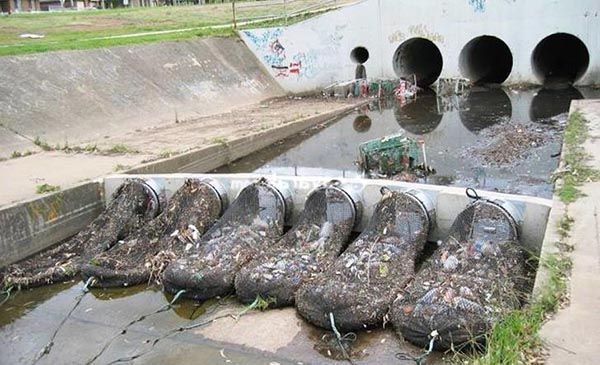
بخشی از آلودگی های رودخانه مربوط به پلاستیک است و بخشی هم مربوط به ضایعات ساختمانی است. یکی از راهکارها به جمع آوری زباله های پلاستیکی سطح رودخانه ها، گذاشتن توری جمع آوری زباله در خروجی پل هاست. این ضایعات را به صورت کنترل شده جمع آوری میکنند و در نهایت فقط بخش کوچکی از آنها بازیافت میشود. در ادامه این متن راهکاری میدهیم که منجر به تولید آجر پسماند میشود و مناسب محیط زیست هایی است که با دستکاری انسان تخریب شده اند.
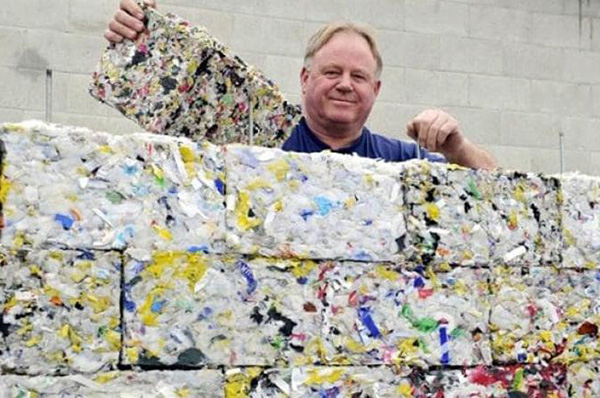
آجر پسماند با ضایعات ساختمانی
با توجه به افزایش روزافزون پروژه های عمرانی و تخریب ساختمانهای قدیمی، حجم بالایی از ضایعات ساختمانی تولید میشود که بخش قابل توجهی از آن را آجر تشکیل میدهد. رهاسازی این آجرها بدون استفاده موجب آلودگی محیط زیست و هدر رفتن منابع طبیعی میشود.
بازیافت آجر بهعنوان یکی از راهکارهای موثر برای کاهش ضایعات ساختمانی و استفاده مجدد از منابع موجود شناخته میشود. این فرایند نهتنها به کاهش هزینههای ساختوساز کمک میکند، بلکه اثرات زیستمحیطی ناشی از تولید آجر جدید را نیز به حداقل میرساند.
آجر ترکیبی بازیافتی
این نوع آجر از ترکیب چند ماده ضایعاتی مانند شیشه خردشده، پلاستیک و مصالح ساختمانی تولید میشود. آجر ترکیبی دوام بالایی دارد و معمولا در بخشهای تزیینی یا ساخت دیوارهای مقاوم در برابر رطوبت استفاده میشود.
آجر بدون پخت
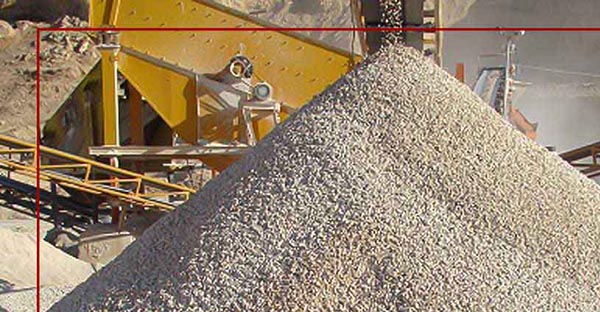
تولید آجرهای پخته شده موجود در بازار با استفاده از خاک، با مصرف قابل توجهی سوخت با قیمت بالا همراه است. این در حالیست که ضایعات ساختمانی میتوانند در ابتدا بصورت پودر تبدیل و در ادامه با یک روش خاص و ابتکاری فرآوری و پرس شود. همه دستگاههای لازم برای این روش در کشور موجود است.
برای سودآور بودن تولید آجر به آجر پازلی روی آورده اند. در تولید آجر پازلی نحوه کار به این صورت است که ابتدا مواد اولیه آن تهیه می شود. سپس شکل دهی صورت میگیرد.
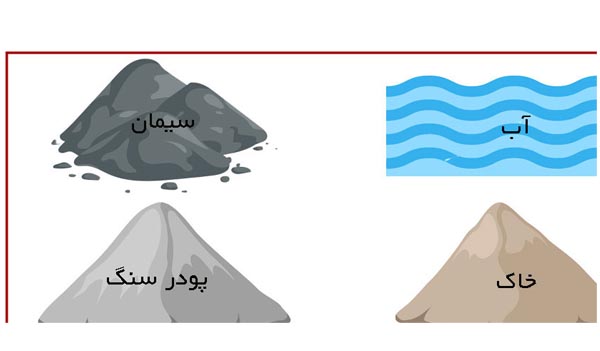
مواد اولیه آجر پازلی
آجر پازلی به سبب برآمدگی و فرورفتگیهایی که دارد در هم چفت میشوند، که دلیل نامگذاری آن به پازلی نیز همین خاصیت چفت شوندگی آن میباشد. تولید و استفاده از این آجر چه برای تولید کننده و چه مصرف کننده سود آور است. برای تولیدکنندگان، تولید آن به سبب مواد اولیه ارزان و قابل دسترس و همچنین بازار پر تقاضای امروز میتواند سود قابل توجهی داشته باشد.
شکل دهی: مواد اولیه ترکیب شده، توسط دستگاه پرس مخصوص تحت فشار کنترل شده قرار میگیرد و محصول متناسب با قالب تعیین شده شکل میگیرد.
تولید آجر سبز از زباله
_g7y1.jpg)
نمونه موفق تولید آجر سبز را در کنیا می یابیم. نزمبی ماتایی شغل خود را در بخش صنعت نفت و گاز رها کرد و بعد از آن به کار روی بازیافت پلاستیک پرداخت. وی در مورد تولید زباله پلاستیکی گفت: هر روز در نایروبی حدود ۵۰۰ هزار کیلوگرم زباله تولید میشود که تنها بخش ناچیزی از آن بازیافت میشود. او برای زبالههای پلاستیکی به عنوان آجر پسماند روش جدیدی را پیشنهاد داد. در این روش پلاستیک بازیافتی با شن ترکیب و در برابر دمای بالا قرار داده میشود و در نهایت ترکیبی به دست میآید که به شکل اندازه های مختلف آجر قالب زده میشود. آجر تهیه شده به مدت طولانی قابل نگهداری است و در کاشیکاری محوطه ها مانند آجرهای دیگر استفاده میشود.
______________________
Surface water includes rainwater, urban runoff, floods, and river water that, as it passes over the surface of the earth, flows with mud, heavy metals, garbage, and chemicals. Apart from clean drinking water, we also need to keep the water in oceans, rivers, and lakes clean and unpolluted, otherwise it will return to us during the life cycle stages and endanger the health of the ecosystem. Anything that changes the nature of water is called water pollution. In this article, we will discuss some of the factors that pollute running water and explain how water pollution can be prevented.
We must keep the water that flows in surface rivers (such as kashaf-rud) and streams clean. First of all, this cleanliness refers to reducing pollution through source segregation. Waste segregation at source is actually the process of identifying and separating recyclable and non-recyclable waste, which is usually done with the aim of reducing waste.
Waste separation to reduce pollution
From the very beginning, it is recommended to produce less waste at the source and reuse it. Reuse is any activity that increases the life of tools and materials. For example, we creatively find another use for unusable tools and do not throw them away. Reusing waste is one of the best solutions to reduce waste production and protect the environment
Tires in garden decoration
In the next stage, dredging and extracting waste from the river site will be discussed.
In different countries, when presenting dredging plans and protecting the river wall and bank with crushed stone (with rubble stone) and sand, they give different plans for collecting waste around it in different stages. The advantages of the river stone wall are the environment and its high durability. Using natural and local stones, this type of wall is considered an environmentally friendly solution. Sand and silt obtained from dredging are also used to develop and repair areas for the construction of artificial islands or breakwaters. Placing a net - bridge outlet
Some of the river pollution is related to plastic and some is related to construction waste. One solution to collecting plastic waste on the surface of rivers is to place a waste collection net at the outlet of bridges. This waste is collected in a controlled manner and ultimately only a small part of it is recycled. In the following text, we will provide a solution that leads to the production of waste bricks and is suitable for environments that have been destroyed by human manipulation.
Waste bricks with construction waste
Due to the increasing number of construction projects and the demolition of old buildings, a large volume of construction waste is produced, a significant part of which is bricks. Leaving these bricks unused causes environmental pollution and waste of natural resources.
Brick recycling is known as one of the effective solutions for reducing construction waste and reusing existing resources. This process not only helps reduce construction costs, but also minimizes the environmental impact of producing new bricks.
Recycled composite brick
This type of brick is produced by combining several waste materials such as crushed glass, plastic, and building materials. Composite brick is highly durable and is usually used in decorative parts or in the construction of moisture-resistant walls.
Unfired brick
The production of fired bricks available in the market using soil is associated with significant fuel consumption at a high price. Meanwhile, construction waste can be first converted into powder and then processed and pressed using a special and innovative method. All the necessary equipment for this method is available in the country.
To make brick production profitable, they have turned to puzzle bricks. In the production of puzzle bricks, the working method is as follows: first the raw materials are prepared. Then shaping is done.
Raw materials for puzzle bricks
Puzzle bricks interlock due to the protrusions and depressions they have, which is why they are called puzzles because of their interlocking properties. The production and use of this brick is profitable for both the manufacturer and the consumer. For manufacturers, its production can be significantly profitable due to the cheap and accessible raw materials and today's high-demand market.
Shaping: The combined raw materials are placed under controlled pressure by a special press machine, and the product is formed according to the specified mold.
Producing green bricks from waste
Tiling the area with recycled bricks
A successful example of green brick production can be found in Kenya. Nzembi Matai left his job in the oil and gas industry and then worked on plastic recycling. Regarding the production of plastic waste, he said: Every day in Nairobi, about 500,000 kilograms of waste are produced, of which only a small part is recycled. He proposed a new method for using plastic waste as waste bricks. In this method, recycled plastic is mixed with sand and exposed to high temperatures, and finally a mixture is obtained that is molded into different sizes of bricks. The bricks produced can be stored for a long time and are used in tiling areas like other bricks.