
Kashafrud river - رودخانه کشف رود
اینجا درباره رودخانه کشفرود ایران مینویسم
Kashafrud river - رودخانه کشف رود
اینجا درباره رودخانه کشفرود ایران مینویسمدرباره من
 از اونهام که می گم آدم بایست حرف خودشو بزنه، اما یاد گرفتم که هر حرفی رو تو جاش بزنم، اینجا، هرچی می خوام رو می گم
ادامه...
از اونهام که می گم آدم بایست حرف خودشو بزنه، اما یاد گرفتم که هر حرفی رو تو جاش بزنم، اینجا، هرچی می خوام رو می گم
ادامه...
تپه قادر آباد کشفرود
سالها پیش، در بسیاری از دهات درون کشور نیازی به دادگاه و دادگستری نبود، تا تعیین مجازات کنند. در آن زمان که عشایر ایرانی به تازگی یکجانشینی اختیار کرده بودند، خداوند در جامعه رسوخ داشت و بر آن فرمانروا بود. خواست او کافی بود تا بدکاران را به کیفر برساند.
قدمت تپه تاریخی قادرآباد را به ششصد هزار سال پیش تخمین زده اند. قهرمان روستائیان چوپانی بود که با کمک سگ وفادارش از گله گوسفندان در برابر راهزنان دفاع میکرد. او برای این دفاع از سنگ های تراشیده شده و چوب و نیزه کمک میگرفت.
در آن زمان، دام ربایی یا پس گرفتن دام ها مفهومی جنگی بود که برایش تدارکات جنگی می دیدند. پیروزی شامل بردن ماده گاوها و محاصره زنان، و بچه ها بود. محاصره نبرد، پیروزی، آشفتگی و شادمانی مفاهیمی آشنا برای چوپانان قهرمان تپه قادر آباد بودند.
جنگل و بازی چوپانها در میان آن، در امتداد کشفرود بود. عده ای به کشاورزی مشغول بودند و عده ای ماهی های بزرگ قدر اژدها شکار میکردند. آنها با قایق هایی قدر کشتی روی رود سوار میشدند و مسافتی طولانی تا آرامگاه فردوسی کنونی طی میکردند.
حکیم ابولقاسم فردوسی، بسیاری از داستانهای خود را برمبنای آبرسانی به بعد از آرامگاه تا پل خاتون، مرز افغانستان کنونی سروده است:
چنان اژدها
چوپانان پس از بازی، وقتی منظره های صید ماهی پدیدار میشد، با قایق های کنار خشکی، ماسه هایی که خرچنگها بر رویش میدویدند، بوی ماهی های خشک شده را که استشمام میکردند، شاهد حضور انواع پرندگان بالای صید میشدند: مرغابی، اردک، لک لک و چکاوک و سایر پرنده ها. آخرین پرنده ای که حضور پیدا میکرد، جغد بود. غذای جغد با سایر پرنده ها متفاوت بود. او به شکار موش ها در تاریکی و زیر نور ماه میرفت.
به مرور زمان که مسیر کشفرود به سان اژدهایی در حرکت به سمت پایین تر رفت، تپه متروکه شد و خالی از صید و ماهی گشت. پرنده ای آنجا پر نمیزد، جز جغد شب و خفاش های سرشب. این شد که داستان آن سینه به سینه تا زمان فردوسی در شاهنامه نقل شد و از آن پس جغدی نماد تپه قادر آباد شد. این جغد را به صورت نمادین، در یکی از باغ های آرامگاه فردوسی درست کرده اند و بالای تنه یکی از درختان چنار باغ گذاشته اند:
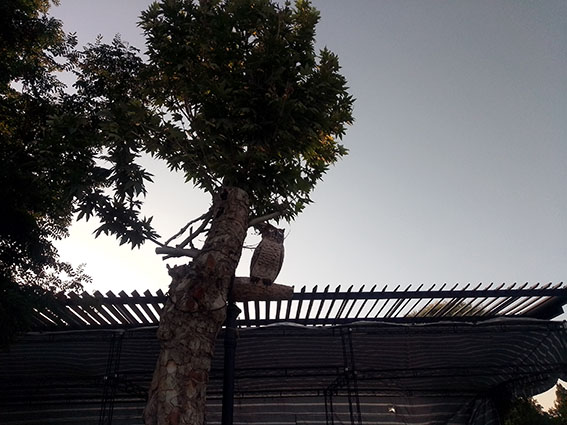
این جغد هنوز هم هست و باید کمی دنبالش بگردین.
آدرس: شهر باستانی توس، آرامگاه فردوسی، درخت چنار
____________
Many years ago, in many villages in the country, there was no need for courts or justice to determine punishment. At that time, when Iranian nomads had just settled down, God was in control of society and ruled over it. His will was enough to punish the wicked.
The historical hill of Qaderabad has been estimated to be six hundred thousand years old. The hero of the villagers was a shepherd who, with the help of his faithful dog, defended his flock of sheep against bandits. He used carved stones, sticks, and spears to help him in this defense.
At that time, cattle kidnapping or the recovery of livestock was a concept of war for which they made war preparations. Victory consisted of taking the cows and surrounding the women and children. The siege of battle, victory, chaos, and joy were familiar concepts for the heroic shepherds of Qaderabad hill.
The forest and the shepherds' games in the middle of it were along the Kashfrud. Some were engaged in agriculture and some were hunting large fish as big as dragons. They would ride on the river in boats as big as ships and travel a long distance to the current Ferdowsi tomb.
Hakim Abul Qasem Ferdowsi composed many of his stories based on the water supply from the tomb to Pul-e Khatoon, the current border of Afghanistan:
Like a Dragon
After playing, when the scenery of fishing appeared, the shepherds would see the boats on the shore, the sands on which crabs ran, and the smell of dried fish, and they would witness the presence of various birds on the catch: ducks, geese, storks, larks and other birds. The last bird to appear was an owl. The owl's food was different from other birds. It would hunt mice in the dark and under the moonlight.
Over time, as the path of the Kashfarud River moved downward like a dragon, the hill became abandoned and devoid of fishing and fish. No birds flew there, except for the night owl and the bats at dusk. This story was passed down from generation to generation until the time of Ferdowsi, and since then, an owl has become the symbol of Qader Abad Hill. This owl has been symbolically created in one of the gardens of Ferdowsi's tomb and placed on top of the trunk of one of the Plantine trees in the garden.
This owl is still there and you have to look for it a little.
Address: Plantine Tree, Ferdowsi Tomb of Tus city, Mashhad, Iran
چکاوک کشفرود آرامگاه فردوسی
شنیدم تیم اصفهان تیم قناری بود. برام مهم نبود که چطور اینقدر برای تبلیغ قناریشون می جنگن.
مدتی گذشت و کشف رود از دست رفت.
رفتیم ببینیم چکاوکهایشان که در زاینده رود است را چطور تبلیغ می کنند. نگاه کردم و حتی اسم شرکتشان را چکاوک گذاشتند، چکاوک زاینده رود.
چکاوک رودخانه کشفرود کجاست؟
فکر می کنید نام شرکتشان را چکاوک چه سالی گذاشتند؟
با توجه به اینکه رودخانه کشفرود از محل آرامگاه فردوسی سرازیر می شه، باشگاه فردوسی لوگوی خود را به نام آرم آرامگاه فردوسی نامگذاری کرده. لباس مجلسی قناریه.
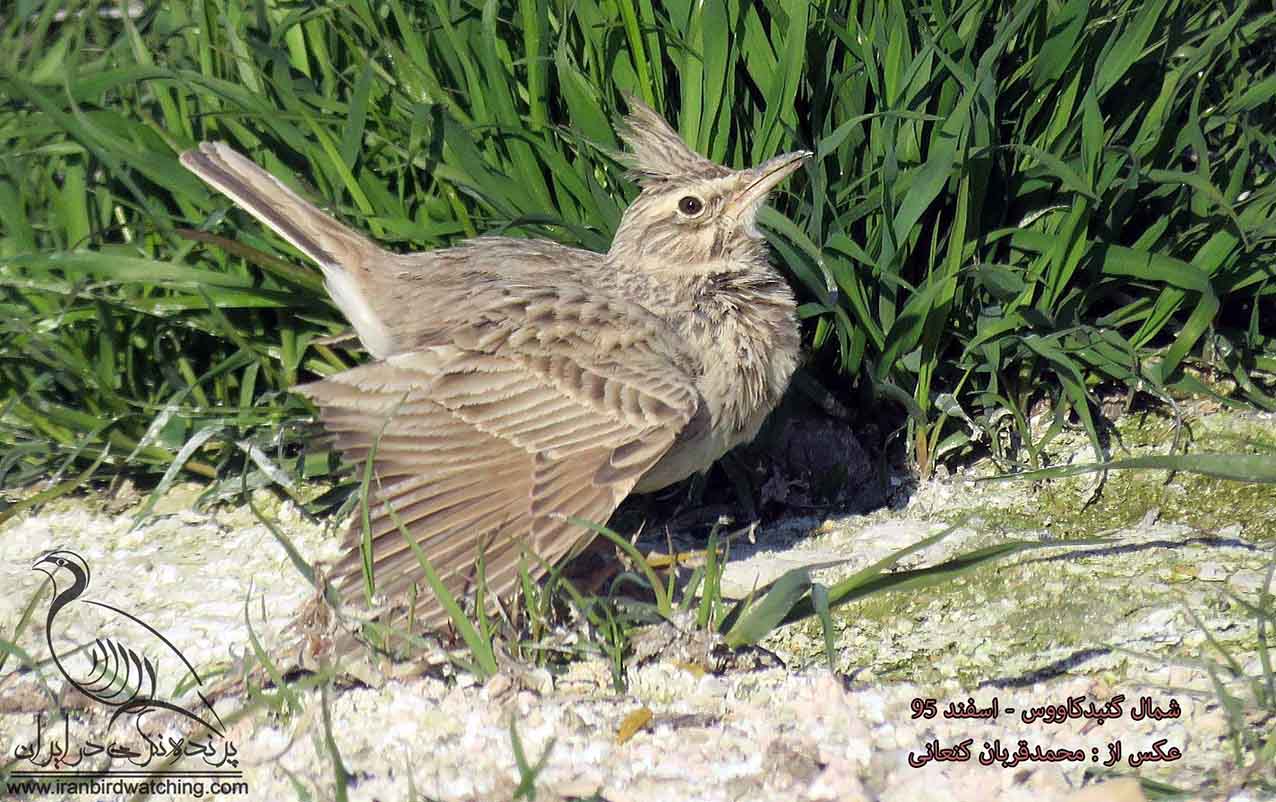
چکاوک از راسته گنجشکسانانه و در طبیعت های مختلف شکل های متفاوتی میگیره. انواع چکاوک بیابانی، گندم زار و غیره داریم
_________________
I heard that the Isfahan team was a canary team. I didn't care how they were fighting so hard to promote their canary.
A while passed and Kashfarud fell out of favor.
We went to see how they were promoting their sky lark, which is the Zayandeh River. I looked and they even named their company sky lark; Chakavak (sky lark) of Zayandeh Rood.
Where is the sky lark of Kashfarud river?
What year do you think they named their company Chakavak?
Considering that a Kashfarud River flows from the site of Ferdowsi's tomb, Ferdowsi Club has named its logo after the logo of Ferdowsi's tomb. The party dress is a canary.
The sky lark is from the order Passeriformes and takes on different forms in different natures. We have desert sky larks, wheat field skylarks, etc.
کشفرود شاهنامه فردوسی
همه آنچه که درباره کشفرود مینویسند آنی نیست که میدانیم.
کشفرود، آنچه که فردوسی به آن اشاره کرده رودی است که از جای پل فردوسی و همین جا که آرامگاه فردوسی هست جاری میشه.
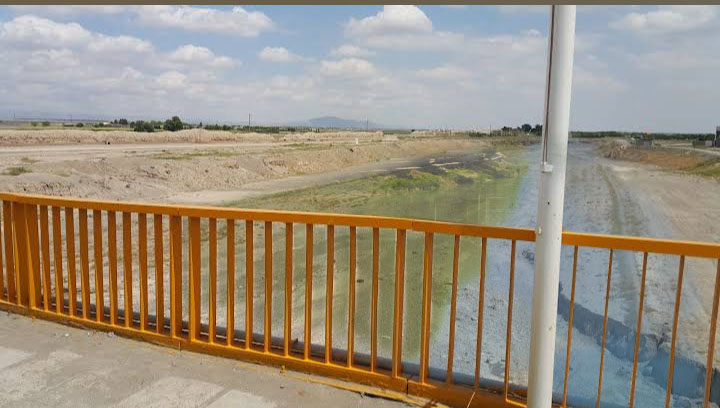
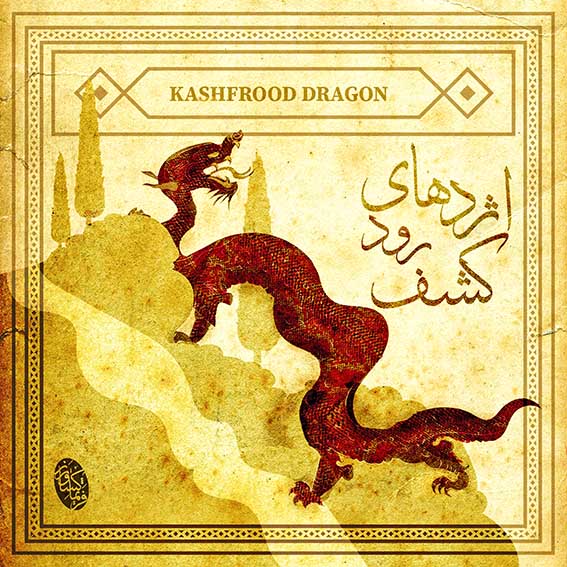
تصویر این رودخانه مانند اژدهای بزرگی بوده که وقتی یک بار طغیان میکنه، در شاهنامه فردوسی با اسم کاسه رودخانه بیان میشه. شاهنامه فردوسی اون رو به یک اژدهای سرکش توصیف میکنه.
چنان اژدها کوز رود کشف
برون آمد و کرد گیتی چو کف
فردوسی که این رودخونه رو اینطوری با اژدها توصیف میکنه نقاشها دست به قلم میشن و هر کس اون رو به یک طریق تصویر میکنه.
عکس رودخانه کشفرود رو توی نقشه اینطوری ببینید:
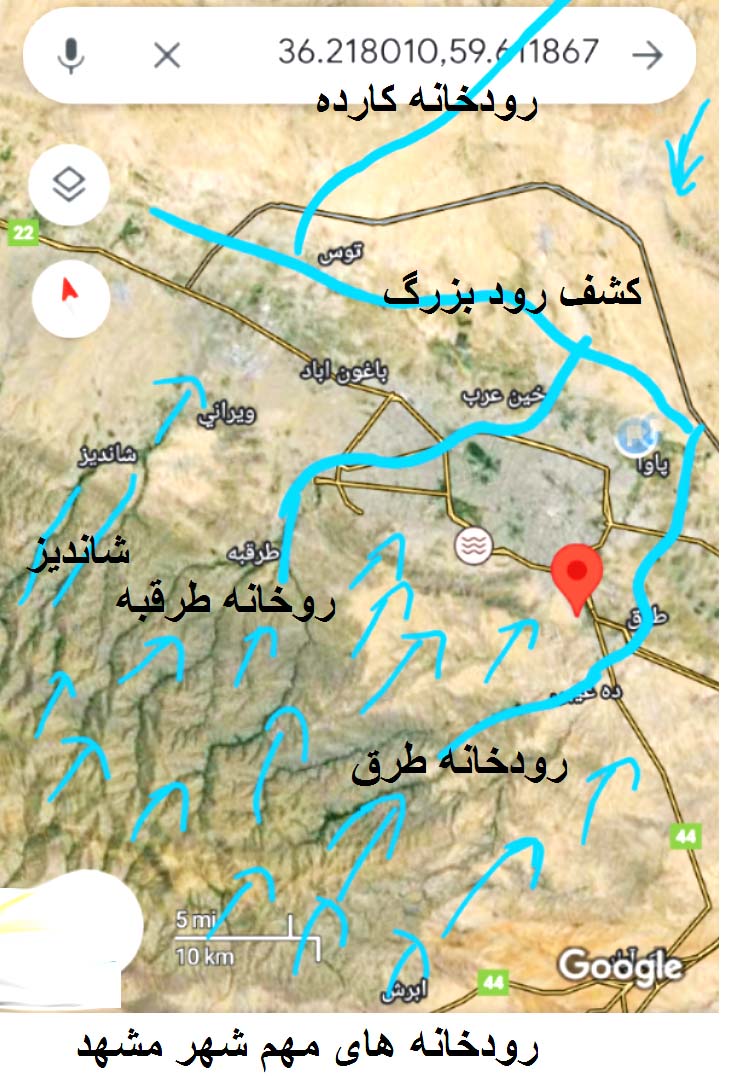
رودخانه کشفرود دو آبریز بزرگ کارده و طرقبه دارد که از بقیه مهمترند.
همین رودخونه رو وقتی که تمثیلی نقاشی میکنند میشه اژدهای رودخانه کشف که عکس بعدی میشه:
حالا ما میخوایم این رودخانه رو در مسیر کاسه سفالی طوری که داره جاری ببینیم.
برای این کار لازمه که این شهرکهای صنعتی که یک در کنار این رود تشکیل شدند و آب این رودخانه رو میگیرند الزاماتی تعیین کنیم.
وقتی میخوایم این الزامات را تعیین کنیم فقط یک شهرک صنعتی چرمشهر نباید مد نظر ما باشه، شهرک صنعتی فردوسی و شهرکهای حتی مسکونی هاشمی نژاد و غیره که در کنار این رودخانه تشکیل شدند باید قوانینی را رعایت کنند، و تصفیه خانههایی داشته باشند که ما وقتی رودخانه رو اجازه میدیم از کوه پایهها جاری بشه تمیز بودن آن به چشم بیاید.
__________________
Not everything written about the Kashafrud is what we know.
Kashfrud, what Ferdowsi referred to, is a river that flows from the place of the Ferdowsi Bridge and right where Ferdowsi's tomb is.
The image of this river is like a large dragon that when it overflows, is described in Ferdowsi's Shahnameh as the bowl of the river. Ferdowsi's Shahnameh describes it as a rebellious dragon.
So the dragon came out of the Kashfrud and made Giti like foam. When Ferdowsi describes this river like this with a dragon, painters take up their pens and everyone depicts it in the same way.
See the picture of the Kashfrud River on the map like this:
The Kashfrud River has two large catchments, Kardeh and Torqebah, which are more important than the others.
When they paint an allegory of this river, it becomes the dragon of the Kashf River, which becomes the next picture:
Now we want to see this river flowing in the path of the clay bowl.
For this, it is necessary to set requirements for these industrial towns that were formed next to this river and that receive the water from this river.
When we want to set these requirements, we should not only have in mind the industrial town of Charmshahr, the Ferdowsi industrial town and even the residential towns of Hasheminejad, etc. that were formed next to this river must comply with certain rules, and have treatment plants that will make it clear that the river is clean when we allow it to flow from the mountain of the foundations.