
Kashafrud river - رودخانه کشف رود
اینجا درباره رودخانه کشفرود ایران مینویسم
Kashafrud river - رودخانه کشف رود
اینجا درباره رودخانه کشفرود ایران مینویسمدرباره من
 از اونهام که می گم آدم بایست حرف خودشو بزنه، اما یاد گرفتم که هر حرفی رو تو جاش بزنم، اینجا، هرچی می خوام رو می گم
ادامه...
از اونهام که می گم آدم بایست حرف خودشو بزنه، اما یاد گرفتم که هر حرفی رو تو جاش بزنم، اینجا، هرچی می خوام رو می گم
ادامه...
نمونه سازه های آبی باستانی
تمدنهای باستانی ایران و چین، هر دو با بهرهگیری از دانش بومی، جغرافیای محیطی خود را بهخوبی مهار کرده و سازههایی ساختند که قرنها بعد هنوز در حال استفاده یا الهامبخش تحقیقات جدید هستند.
بازنگری در چنین دانشهایی میتواند ما را در مواجهه با بحرانهای نوین زیستمحیطی یاری دهد — از خشکسالیهای فزاینده تا سیلابهای سهمگین.
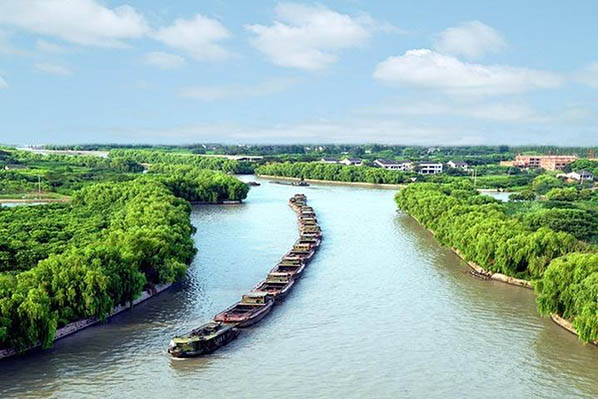
از آن جمله میتوان به آبراه بزرگ چین اشاره کرد که توسط امپراتور سویی یانگ دی در سال ۶۱۰ میلادی جهت کشتیرانی حفر شد. این کانال ۱۷۰۰ کیلومتری در حال حاضر کاملاً نوسازی شده است، و ناحیه پکن را به هانگ ژو بعنوان جنوبی ترین ایستگاه آن متصل میکند و در راه خود با دو رودخانه بزرگ یعنی هوانگ هه (رودخانه زرد) و چانگ جیانگ (یانگ تسه) تلاقی میکند.
امپراتوری هخامنشی ایران حدود ۵۰۰ سال قبل از میلاد، در اقدامی مشابه کانال سوئز را در نزدیکی رودخانه نیل حفر کردند و برای همیشه نقشه آبراه های جهان را تغییر دادند. آنها که مرکز امپراتوری خود را تخت جمشید در استان فارس کنونی انتخاب کردند برنامه داشتند که کانال و آبراه مشابهی از دریای عمان و خلیج فارس به دریای خزر حفر کنند و طرح و برنامه آن را با توجه به دو رود جیحون و سند کنونی در نظر گرفته بودند.
این برنامه ریزی که قدمت طولانی در طول تاریخ داشته است، متوقف ماند تا تغییرات اقلیمی و جنگ ها منجر به خشک شدن دریاچه های هامون و جازموریان، ریزرودها و سایر منابع آبی قره قوم و غیره در شرق ایران کنونی شد.
با این حال، این نمونه موارد ذکر شده همه مدیریت آبی چین و ایران محسوب نمیشود. در ایران طرح قنات بعنوان مجموعه چاه های به هم متصل تعریف میشده است که یک مادرچاه داشته و برداشت از آب های زیرزمینی را بصورت کنترل شده اجرا میکند. این کنترل بنحوی خودکار است که چاه ها خشک نمیشود و اضافه برداشت از آنها ممکن نیست.
از سویی دیگر حفر خندق و سد نمونه های دیگر مدیریت آبی منطقه هستند. هم در ایران و هم در چین نمونه های کنترل سیلاب داریم که مدل ایرانی آن در زمان ساسانیان (۲۴۰-۲۷۰ میلادی) اجرا شده است و در زمان صفویه سازه های آبی پیچیده تر ایرانی، قنات ها و سیستم های آبی گسترده در قرن ۱۶ میلادی توسط شیخ بهایی طراحی شده اند.
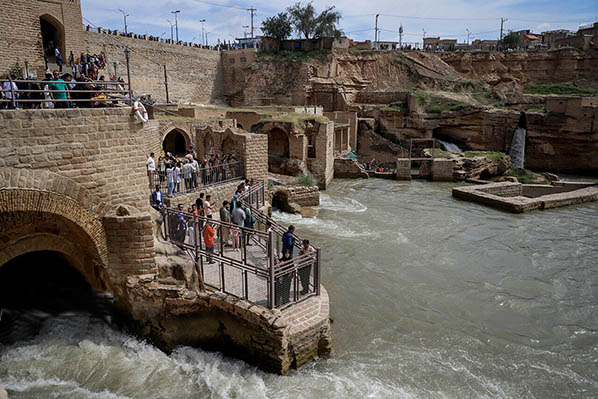
این سیستم در دوران هخامنشیان (550 تا 330 قبل از میلاد) و به ویژه در زمان داریوش بزرگ توسعه یافت و در دوره ساسانیان (224 تا 651 میلادی) به اوج شکوه و کارآمدی خود رسید.
توضیحات بیشتر:
• دوران عیلامیان:
اولین تلاشها برای بهرهبرداری از رودخانه کارون و ایجاد کانالها در این دوره آغاز شد.
• دوران هخامنشیان:
داریوش بزرگ به توسعه زیرساختهای آبی منطقه از جمله ساخت کانالها و بندها برای تسهیل حمل و نقل و آبیاری پرداخت.
• دوران ساسانیان:
در این دوره، شاپور اول دستور ساخت مجموعهای پیچیده از سدها، کانالها، آسیابهای آبی و پلها را داد که به تأمین نیازهای کشاورزی و صنعتی منطقه کمک کرد.
• اهمیت تاریخی:
سازههای آبی شوشتر به عنوان شاهکار مهندسی باستان و یک میراث جهانی توسط یونسکو شناخته شدهاند.
_______________________
Further details:
• Elamite Period:
The first attempts to exploit the Karun River and create canals began during this period.
• Achaemenid Period:
Darius the Great developed the region's water infrastructure, including the construction of canals and dams to facilitate transportation and irrigation.
• Sasanian Period:
During this period, Shapur I ordered the construction of a complex set of dams, canals, watermills, and bridges that helped meet the agricultural and industrial needs of the region.
• Historical Significance:
The Shushtar Waterworks are recognized as a masterpiece of ancient engineering and a UNESCO World Heritage Site.
کمی چینی یاد بگیریم:
توضیحات مربوط به واژه "河" (hé) و تفاوت آن با "江" (jiāng)
در ادامه خواهیم داشت:
اطلاعات باستانشناسی مربوط به شیجیاهه چین
معرفی آبراه بزرگ چین (Grand Canal) با توسعه محتوا و پیوند به تمدن ایران
معرفی سازههای آبی ایران (شوشتر، کشفرود، قناتها)
همراه با جدولهای متنی (خطکشیشده) و
جملات نمونه چینی برای تمرین
ارائه شده است.
مدیریت آب در تمدنهای باستانی ایران و چین
河 (hé) – معنای "رودخانه" در زبان چینی سادهشده
در زبان چینی سادهشده، واژهی 河 (hé) به معنای "رودخانه" به کار میرود و معمولاً برای اشاره به رودخانههای کوچکتر یا بهطور عمومی برای هر نوع رودخانهای استفاده میشود.
در کنار آن، واژهی 江 (jiāng) برای رودخانههای بزرگتر و اصلیتر استفاده میشود، مانند رود یانگتسه (长江 / Cháng Jiāng).
تفاوت دو واژه اصلی برای "رودخانه":
+--------+-----------+----------------------------+ | واژه | پینیین | معنی فارسی | +--------+-----------+----------------------------+ | 河 | hé | رودخانه (عمومی، کوچک) | | 江 | jiāng | رودخانه (بزرگ، اصلی) | | 长江 | Cháng Jiāng| رود یانگتسه | | 黄河 | Huáng Hé | رود زرد | +--------+-----------+----------------------------+
کشف شگفتانگیز باستانشناسی در چین: سیستم کنترل سیلاب در شهر شیجیاهه
در حفاریهای اخیر در سایت باستانی شیجیاهه (石家河 / Shíjiāhé) در استان هوبِی (湖北省 / Húběi Shěng) چین، شواهدی یافت شده که نشان میدهد این شهر باستانی، حدود ۵۰۰۰ سال پیش دارای سیستم پیشرفتهای برای کنترل سیلاب و مدیریت منابع آب بوده است.
اجزای کشفشده در این سیستم:
| واژه چینی | پینیین | ترجمه فارسی |
|-----------|-------------------|--------------------------------------|
| 河 | hé | رودخانه (عمومی، کوچک) |
| 江 | jiāng | رودخانه (بزرگ، اصلی) |
| 长江 | Cháng Jiāng | رود یانگتسه (بزرگترین رود چین) |
| 洪水 | hóng shuǐ | سیلاب |
| 防洪系统 | fáng hóng xìtǒng | سیستم کنترل سیلاب |
| 水利设施 | shuǐ lì shè shī | تأسیسات آبیاری |
| 堤坝 | dī bà | سد، خاکریز |
| 壕沟 | háo gōu | خندق |
| 史前城市 | shǐ qián chéng shì | شهر ماقبلتاریخ |
| 考古 | kǎo gǔ | باستانشناسی |
| 遗址 | yí zhǐ | محوطه باستانی، بقایای تاریخی |
| 湖北省 | Húběi Shěng | استان هوبِی |
این سیستمها نشاندهنده سطح بالای فهم مردم آن دوران از مهندسی محیطزیست، توسعه کشاورزی و مقابله با سیلاب هستند.
آبراه بزرگ چین – مهندسی عظیم در خدمت انسجام ملی
یکی از درخشانترین شاهکارهای مهندسی آب در تاریخ چین، آبراه بزرگ یا کانال کبیر (大运河 / Dà Yùnhé) است که در دوران امپراتور سویی یانگدی (隋炀帝 / Suí Yángdì) در سال ۶۱۰ میلادی ساخته شد.
این آبراه که بیش از ۱۷۰۰ کیلومتر طول دارد، شمال چین (پکن) را به جنوب (هانگژو) متصل میکرد و همچنان یکی از طولانیترین کانالهای مصنوعی جهان محسوب میشود.
ویژگیهای برجسته آبراه:
کاربرد اصلی: حملونقل آبی، تجارت، ارتباط سیاسی
رودهای تقاطعی: عبور از روی رود زرد (黄河) و رود یانگتسه (长江)
امروزه: بخشهایی از آن مرمت و بهعنوان میراث جهانی ثبت شدهاند
واژگان مرتبط با آبراه:
+----------------+------------------+----------------------------+ | واژه چینی | پینیین | معنی فارسی | +----------------+------------------+----------------------------+ | 大运河 | Dà Yùnhé | آبراه بزرگ، کانال کبیر | | 隋炀帝 | Suí Yángdì | امپراتور یانگدی | | 航运 | háng yùn | حملونقل آبی | | 运河系统 | yùn hé xì tǒng | سامانه آبراه | +----------------+------------------+----------------------------+ 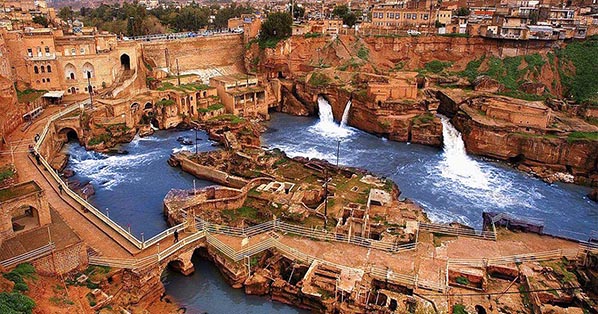
آبراه بزرگ، در مقیاس تاریخی، معادل چینی سازههای شوشتر و قناتهای ایران است که نهتنها کارکردهای فنی، بلکه آثار سیاسی و اقتصادی گستردهای در پی داشت.
تمدن آبی در ایران: شوشتر و کشفرود مشهد
سازههای آبی شوشتر:
شهر شوشتر، یکی از شهرهای کهن ایران، با سیستمهای پیشرفته آبی در دوران عیلامی، هخامنشی و ساسانی شناخته میشود. این سیستم شامل:
سدها و پلبندها: کنترل و هدایت آب
تونلها و کانالها: انتقال آب به نقاط مختلف
آسیابهای آبی: بهرهبرداری صنعتی از آب
ثبت جهانی یونسکو: بهعنوان شاهکار مهندسی
رود کشفرود و قناتهای مشهد:
در خراسان رضوی، رودخانه کشفرود همراه با قناتهای تاریخی، شبکهای پیچیده از مدیریت آب را پدید آوردهاند.
قنات طرق: آبرسانی به جنوب شرق مشهد
قنات ملکآباد: از قناتهای پرآب مشهد
قناتهای توس و آبکوه: بهرهبرداری از سفرههای زیرزمینی و مهار سیلابها
جدول مقایسهای سه نمونه مدیریت آب در تمدنهای باستانی
+----------------------+-----------------------------+------------------------------+-------------------------------+ | ویژگی | شیجیاهه (چین) | آبراه بزرگ (چین) | شوشتر و کشفرود (ایران) | +----------------------+-----------------------------+------------------------------+-------------------------------+ | زمان ساخت | حدود ۵۰۰۰ سال پیش | سال ۶۱۰ میلادی | ۳۰۰۰ ق.م تا دوره ساسانیان | +----------------------+-----------------------------+------------------------------+-------------------------------+ | موقعیت جغرافیایی | استان هوبی، مرکز چین | از پکن تا هانگژو، شرق چین | خوزستان و خراسان رضوی | +----------------------+-----------------------------+------------------------------+-------------------------------+ | نوع سازهها | سد، خندق، آبیاری | کانال، پل، قفل آبی | قنات، سد، پلبند، آسیاب | +----------------------+-----------------------------+------------------------------+-------------------------------+ | هدف اصلی | کنترل سیلاب، آبیاری | حملونقل، تجارت، اتصال سیاسی| کنترل سیلاب، کشاورزی، صنعت | +----------------------+-----------------------------+------------------------------+-------------------------------+ | وضعیت امروزی | محوطه باستانی کشف شده | بازسازیشده، ثبت جهانی | ثبت یونسکو، در حال استفاده | +----------------------+-----------------------------+------------------------------+-------------------------------+
جملات نمونه برای تمرین زبان چینی
这个城市五千年前就有一个防洪系统。
(Zhège chéngshì wǔ qiān nián qián jiù yǒu yī gè fánghóng xìtǒng.)
این شهر از پنج هزار سال پیش دارای سیستم کنترل سیلاب بوده است.
中国的江和河非常多。
(Zhōngguó de jiāng hé hé fēicháng duō.)
در چین، رودخانههای بزرگ و کوچک بسیاری وجود دارد.
在伊朗,水利工程有几千年的历史。
(Zài Yīlǎng, shuǐlì gōngchéng yǒu jǐ qiān nián de lìshǐ.)
در ایران، مهندسی آب قدمتی چند هزار ساله دارد.
中国的大运河是世界上最长的人工水道。
(Zhōngguó de Dà Yùnhé shì shìjiè shàng zuì cháng de réngōng shuǐdào.)
آبراه بزرگ چین، طولانیترین کانال مصنوعی جهان است.
پل تاریخی اترک، سازه ارزشمند
در پست های قبلی از نزدیکی سرچشمه رودخانه کشف و اترک نوشتیم. این دو رودخانه، دو رود مهم خراسان رضوی هستند که یادآوری یکی دیگری را نیز در بر میگیرد. در ادامه به پل رودخانه اترک و سرچشمه آن میپردازیم:
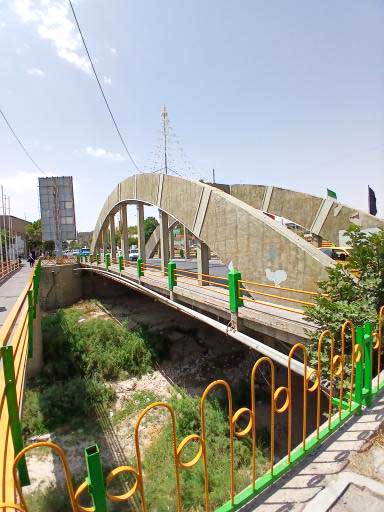
پل تاریخی اترک، سازه ارزشمند
پل ها از گذشته همچون یک گونۀ معماری، همواره به عنوان عامل ارتباطی وجود داشته اند و برای موارد مختلفی به کار برده می شدند. پلها در معماری ایرانی، همواره بهعنوان نمادهای ارتباطی و سازههایی چندمنظوره شناخته شدهاند. اگرچه کارکرد اصلی آنها عبور و مرور است، اما در بسیاری از موارد، نقشهای جانبی همچون تأمین زیرساخت برای عبور لولهها، ایجاد سایهبان یا حتی بهعنوان مکانی برای استراحت و گفتوگو نیز داشتهاند. پل بتنی اترک با عرشه بتنی آن نیز از این قاعده مستثنا نیست و علاوه بر عملکرد اصلیاش، قابلیتهایی نظیر عبور تأسیسات و لولهها در طراحی آن لحاظ شده است.
این پل در شهر قوچان استان خراسان رضوی قرار دارد و بر روی رودخانه اترک ساخته شده است.
پل رودخانه اترک سال 1318 توسط مهندسان خارجی ساخته شد و در آن جایگاههایی برای عبور انواع لوله در نظر گرفته شده است.
این پل که در آن زمان جایگزین پل چوبی اترک بوده است هنوز مورد استفاده مردم و خودروهای سبک و سنگین قرار میگیرد.
در خصوص نامگذاری رود اترک و معنی اترک در زبان فارسی میتوان به یکی دیگر از داستانهای قدیمی نیز اشاره کرد. برخی مورخان با بررسی نقشهها و نامههای قدیمی متوجه شدهاند که در برخی نامهها نام این رودخانه به نام رود اتک اشارهشده است. اتک در زبان ترکی به معنی دشت و دامنه است. بعدها این نام به اترک تغییر نام پیداکرده است.
با توجه به این موارد منبع دقیقی برای نامگذاری رود اترک وجود ندارد، ولی هر چه که باشد این رودخانه در زمینهای ترکمنها عبور میکند. دشتهایی وسیع و پهناور که سالها محل زندگی اقوام ترکمن در ایران بوده است. شاید برای شما جالب باشد که در باستانشناسیهای انجامشده در حاشیه این رودخانه به اشیای قدیمی دست پیداکردهاند که مربوط به اقوام بسیار قدیمی ترکمنها بوده است.
سرچشمه اترک
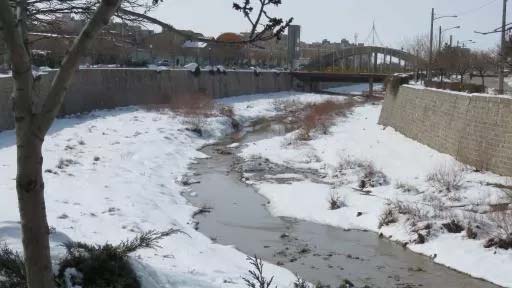
کوههایی که با بارش برف فراوان در طول فصلهای پاییز و زمستان منبع آب هستند، سرچشمه رودخانههای مهمی در ایران همانند رودخانه اترک میباشند. شاخه اصلی رودخانه اترک از قله های هزارمسجد روستای قوچان شروعشده و به مرز ایران و ترکمنستان میرود. رود اترک در مسیر خود به تالابها و دریاچههای زیادی میرسد. مهمترین این تالابها و دریاچهها آلاگل، آلماگل و آجی گل هستند.
معماری پل تاریخی اترک
این پل دارای عرشهای بتنی و طراحی خاصی است که در بخشهای انتهایی آن، شیبی ملایم برای هدایت آب باران و کاهش فشار بر پایههای پل در نظر گرفته شده؛ تدبیری هوشمندانه که دوام و پایداری پل را در برابر عوامل محیطی افزایش داده است.
بازدید از پل تاریخی اترک
بازدید از پل تاریخی اترک رایگان است و گردشگران میتوانند بدون پرداخت هزینه از این اثر دیدن کنند. قدم زدن در کنار رودخانه اترک و تماشای این پل قدیمی، تجربهای آرامشبخش و در عین حال آموزنده خواهد بود.
راههای دسترسی
برای سفر به شهر قوچان و بازدید از پل اترک، میتوان از اتوبوسهای بینشهری استفاده کرد. امکان خرید بلیط اتوبوس بهصورت آنلاین نیز فراهم است و این سفر به راحتی قابل برنامهریزی است.
______________________________
Historical Atrak Bridge, a Valuable Structure
In previous posts, we wrote about the proximity of the sources of the Kashaf and Atrak rivers. These two rivers are two important rivers of Khorasan Razavi, which also include a reminder of each other. In the following, we will discuss the Atrak River Bridge and its source:
Historical Atrak Bridge
Historical Atrak Bridge, a Valuable Structure
Bridges, as a type of architecture, have always existed as a means of communication and were used for various purposes. Bridges in Iranian architecture have always been known as symbols of communication and multipurpose structures. Although their main function is passage, in many cases they have also played secondary roles such as providing infrastructure for the passage of pipes, creating shade, or even as a place for rest and conversation. The Atrak concrete bridge with its concrete deck is no exception to this rule, and in addition to its main function, capabilities such as the passage of facilities and pipes have been included in its design.
This bridge is located in the city of Quchan, Khorasan Razavi Province, and was built on the Atrak River.
The Atrak River Bridge was built in 1939 by foreign engineers and has places for passing various types of pipes.
This bridge, which replaced the wooden Atrak Bridge at that time, is still used by people and light and heavy vehicles.
Regarding the naming of the Atrak River and the meaning of Atrak in Persian, another old story can also be mentioned. Some historians, by examining old maps and letters, have noticed that in some letters the name of this river is mentioned as the Atrak River. Atrak means plain and range in Turkish. Later, this name was changed to Atrak.
Considering these cases, there is no exact source for the naming of the Atrak River, but whatever it is, this river passes through the lands of the Turkmen. Vast and vast plains that have been the home of the Turkmen people in Iran for many years. It may be interesting to you that archeological excavations conducted on the banks of this river have uncovered ancient artifacts belonging to very ancient Turkmen tribes.
Source of Atrak
Atrak River - Historical Atrak Bridge
Mountains that are a source of water with abundant snowfall during the fall and winter seasons are the source of important rivers in Iran, such as the Atrak River. The main branch of the Atrak River starts from the peaks of Hezarmasjid in Quchan village and goes to the border of Iran and Turkmenistan. The Atrak River reaches many wetlands and lakes on its way. The most important of these wetlands and lakes are Alagol, Almagol and Ajigol.
Architecture of the Historical Atrak Bridge
This bridge has a concrete deck and a special design, in its end sections, a gentle slope has been considered to direct rainwater and reduce pressure on the bridge foundations; a clever measure that has increased the durability and stability of the bridge against environmental factors.
Visiting the Historic Atrak Bridge
Visiting the Historic Atrak Bridge is free and tourists can visit this monument without paying any fee. Walking along the Atrak River and watching this old bridge will be a relaxing and educational experience at the same time.
How to get there
You can travel to Quchan city and visit the Atrak Bridge by intercity buses. It is also possible to buy bus tickets online and this trip can be easily planned.
پل چشمه گیلاس کشفرود
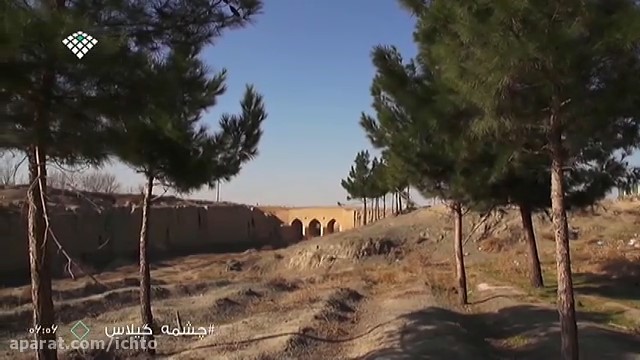
پل چشمه گیلاس بر روی رودخانه کشفرود و نزدیک تپه قادرآباد قرار دارد. این پل از دیرباز به سبب تاج های بلندش در معماری ایرانی مورد توجه قرار داشته است. پل «چشمه گیلاس» را به این دلیل به این نام نهاده اند که نزدیکی روستای «چشمه گیلاس» و چشمه ای به این نام قرار دارد. تمدن تاریخی در گذشته در کنار این رودخانه شکل گرفته بود، و روستایی که نزدیک این چشمه قرار داشته با درختان انبوه گیلاس شهرت یافته است. درختان انبوه گیلاس به زیبایی منطقه می افزوده و ذوق معماری آن منطقه را شکوفا میکرده است.
دیوارهای تاریخی آجری از محل همین پل و در امتداد رودخانه اساطیری کشفرود (کاسه رودخانه) آغاز می شود و امروز شکوه آجری آن را با بیست و هشت متر طول و پنج متر پهنا میبینید. بلندای آن از کف دره بین هشت تا ده متر است.
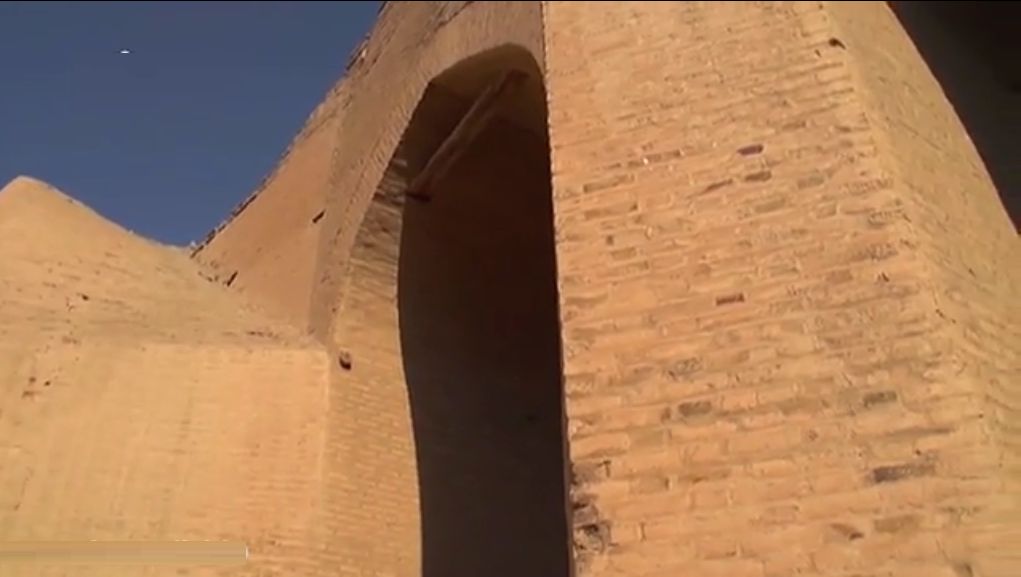
آن بخش از دیواره پل که طاق بلندی ساخته شده داستانی روایت گر دارد. از سمت پل که بالاتر و به سمت چشمه گیلاس برویم سایر بقایای تاریخی چند هزار ساله را که در کنار رودخانه شکل گرفته بودند می بینیم. آثاری همچون تپه قادرآباد از آن جمله است.
این پل که امروزه میزبان مهمانان بسیاری است، باعث کوتاهشدن مسیر مسافرانی میشود که از سمت مشهد قصد مسافرت به شهرهای چناران و قوچان در ایران را دارند.
رودخانه کشفرود جاذبه گردشگریست که در مسیر آرامگاه فردوسی قرار دارد. در مسیر آن پلی قرار دارد به نام پل فردوسی که بزرگ و ساده است.
عکس پل فردوسی کشفرود:
_qmj9.jpg)
آدرس دقیق پل فردوسی:
خراسان رضوی، بلوار شاهنامه، میدان سپهبد، رودخانه کشفرود (کشف رود)
آدرس پل چشمه گیلاس: بلوار شاهنامه، تپه قادرآباد، قره جنگل، روستای چشمه گیلاس
__________________
The Cherry Spring Bridge is located on the Kashafrud River and near Qaderabad Hill. This bridge has long been noted in Iranian architecture due to its tall crowns. The “Cherry Spring” bridge was named so because it is located near the village of “Chishmeh Gilas” and a spring of this name. Historical civilization was formed along this river in the past, and the village that was located near this spring became famous for its dense cherry trees. The dense cherry trees added to the beauty of the area and flourished the architectural taste of that area.
Historical brick walls begin from the site of this bridge and along the mythical Kashafrud River (the bowl of the river), and today you can see its brick splendor with twenty-eight meters long and five meters wide. Its height from the valley floor is between eight and ten meters.
That part of the bridge wall where the high arch is built tells a story. From the bridge, going higher and towards the Cherry Spring, we see other historical remains that were formed by the river thousands of years ago. Such monuments as the Qaderabad Hill are among them.
This bridge, which hosts many guests today, shortens the route for travelers who plan to travel from Mashhad to the cities of Chenaran and Quchan in Iran.
The Kashafrud River is a tourist attraction located on the way to Ferdowsi's tomb. On its way, there is a bridge called the Ferdowsi Bridge, which is large and simple.
Photo of the Ferdowsi Bridge, Kashfrud:
Exact address of the Ferdowsi Bridge:
Khorasan Razavi, Shahnameh Boulevard, Sepahbod Square, Kashfrud River (Kashafrud)
Address of the Cherry Spring Bridge: Shahnameh Boulevard, Qaderabad Hill, Qara Jangal, Cheshme Gilas Village
کشفرود، باهوکلات و ایرانرود
با گسترش صنایع گازی و آبی در دهه نود حوضه آبی شهرهای ساحلی جنوبی کشور، از جمله چابهار یکی از جالبترین مناطق ایران برای اهالی شمال شرقی شده است.
کشفرود و باهوکلات
زمین سرد و خشک کشفرود در مقایسه با زمین نمناک و پر شرجی باهوکلات؛ کشفرود با بوته های آن و باهوکلات با درختان سبزی چون گز در ایران.
کشفرود: جایی که سال گذشته کم باران بود و جایی نزدیکی باهوکلات سیل آمد.
باهوکلات، که به رودخانه باهو ، رود دشتیاری و رود سیلوپ نیز معروف است، رودخانهای در استان سیستان و بلوچستان در ایران است ، و در منطقه باهو واقع شده، که در حدود ۹۰ کیلومتری شهرستان چابهار است.
در حوضه آبریز باهوکلات زمین های اطراف، حتی با وجود سیمان کردن آب دارند. در کشفرود ۱۹۴ کیلومتری جایی بی آبی است و جایی فراوانی آب منجر به سیل، که هر دو مصیبت اند. در حوضه آبریز باهوکلات سیلاب های بزرگ ممکن است در زندگی روستایی خالی ایجاد کند، و مانعی بر سر راه کشاورزی شود. در باهوکلات سطح آب که زیاد بالا برود خانه ها را سیل فرا میگیرد. مارهای سمی در انتظار کودکان و جانوران اهلی کمین میکنند. مزرعه های کتان و برنج بر کرانه های آبرفتی را قبل از برداشت محصول آب میگیرد، و دامها باید به مناطق خشک تر برد. به جبران این، آب که عقب نشست کرانه های رودخانه از ماده ای آلی پوشیده شده است که باروری خاک را افزایش میدهد.
در حوضه باهوکلات برخلاف کشفرود از تشنگی خبری نیست، ولی در فصل سیل مردم روستا گرسنگی میکشند. سطح آب که بالا می آید ماهی ها رودخانه را ترک میکنند و به مرداب ها و به دریاچه ها میروند. در حوزه حیات وحش آن نیز تمساح پوزه کوتاه برجستهترین موجود منطقه چابهار است که به طور طبیعى و آزاد زندگى میکند.
تالاب صورتی چابهار
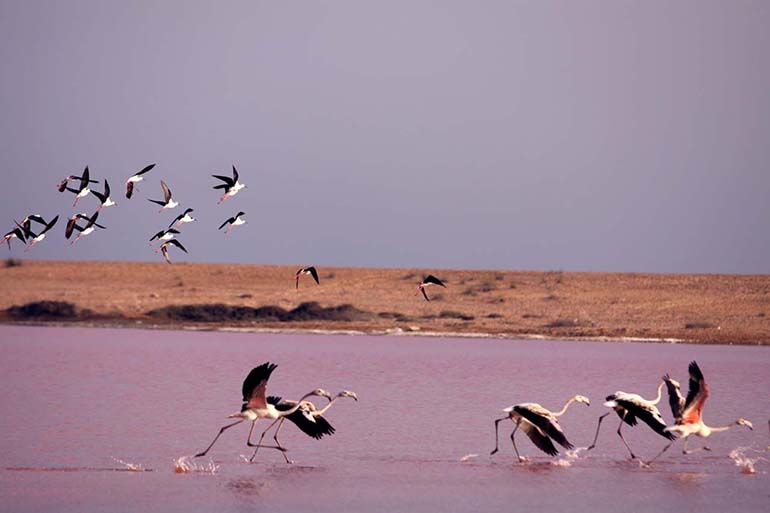
نکته جالب اینجاست که تالاب صورتی چابهار به خاطر وجود گیاه پنبه وحشی در میان گردشگران و بومیان منطقه شناخته شده است. بسیاری از بومیان با برداشت این گونه گیاهی، به تهیه لحاف و بالش میپردازند.
ایران رود
صنعت آبراه و کانال های آبی صنعت نوینی است که با پروژه ایرانرود در بستر خشک شده رودخانههای شرق کشور تعریف میشود. ایرانرود طرحی است که بیش از نیم قرن به طور جدی پیشنهاد شده و فراهم آوردن نزدیک به 2 میلیون شغل در ایران را به دنبال دارد. این طرح که قدمت ارائه آن به دوره باستانی هخامنشیان باز میگردد، تولید و دستیابی به آب آشامیدنی، فراهم آوردن راههای آبرسانی و مبارزه با خشکسالی را در پی دارد.
از مزایای این طرح آبرسانی به فلات مرکزی ایران است.
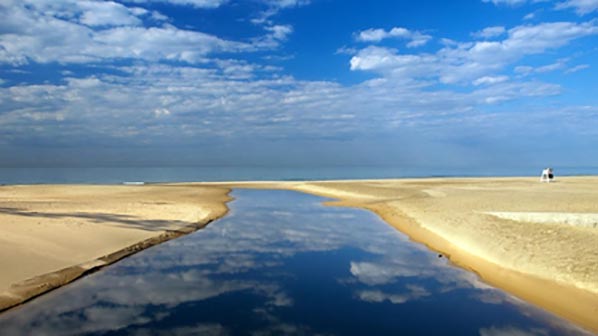
سابقه اجرای کانال آبرسانی مانند ایرانرود را در کشورهای مختلف از جمله کره جنوبی و آمریکا میتوان یافت، که همچنان در حال توسعه هستند. نمونه آن کانال پاناما است.
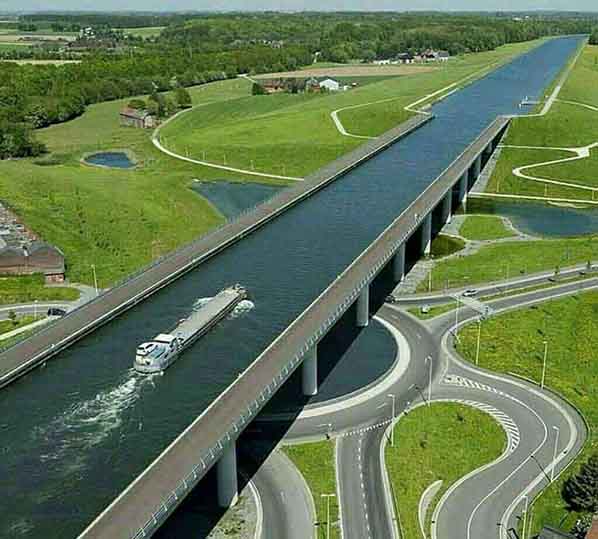
از آنجاییکه کانال پاناما ظرفیت کشتیهای با حداکثر 65000 تن کالا را دارد در حالیکه کشتیهای بزرگ باربری نوین میتوانند تا 300000 تن کالا را حمل نمایند ، مدتی است که سخن از ساختن آبراه تازه ای در همان منطقه یا در نیکاراگوا و یا مکزیک میشود.
نکته قابل تعمق اینست که اندیشه اینگونه برنامه های بزرگ در هر دوران چندین و چندبار مورد بحث و گفتگو قرار گرفته و از سوی بسیاری از بدگمانان و حتی متخصصین مورد حمله و حتی استهزا قرار گرفته و غیر قابل انجام و رویایی نامیده شده بود ولی با بهره گیری از نیروی اندیشه انسانی و پشتکار این پروژه ها جامه عمل پوشیده و برای همیشه چهره زمین را دگرگون ساخته اند.
سایر مزایای ایرانرود
پدید آوردن امنیت و کمک به مبارزه با قاچاق مواد مخدر
استقرار نیروی انتظامی در سراسر آبراه، ایجاد گارد دریایی، حمل و نقل کشتی رانی و حضور دائمی صنایع مختلف، امنیت را به سطح بالایی رسانده و کمک بزرگی در راه مبارزه با قاچاق مواد مخدر خواهد بود. این امر مورد ستایش کشورهای اروپایی غربی که شدیداً نگران حمل این مواد از پاکستان و افغانستان به کشورهای خود هستند قرار گرفته و همچنین با قدرشناسی سازمان ملل متحد روبرو خواهد شد. بدین ترتیب میتوان از آنان انتظار همکاری در فراهم آوردن بودجه برای ساختن این آبراه را داشت. همچنین پرورش آبزیهای دریای خزر، از جمله خاویار، در یک دریاچه ایجاد شده از آب تالابچه های بالابرنده های کشتی ها در یک سوی آبراه و آبزیهای خلیج فارس در سوی دیگر و ارائه آنها با بازارهای داخلی و بین المللی، درآمد سرشار پایداری برای ایران بدست خواهد داد.
ایرانرود طرحی از زمان هخامنشیان
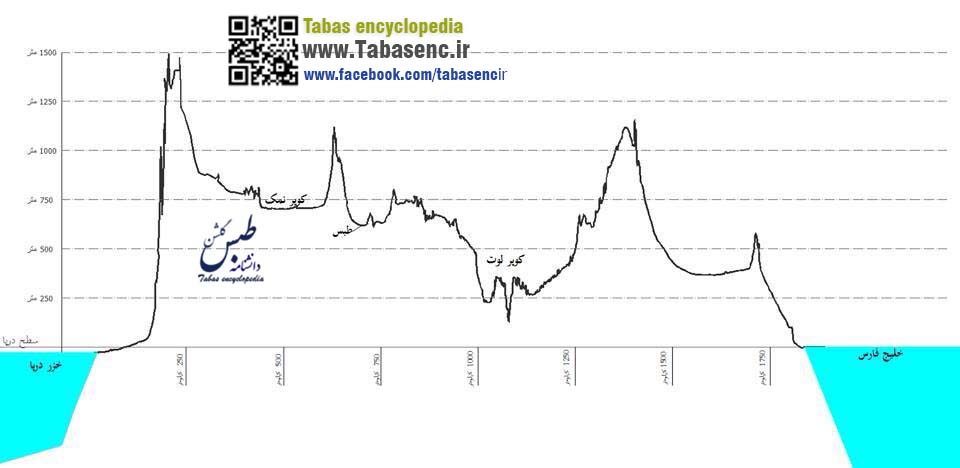
در دانشنامه طبس گلشن آمده است:
بنا به گفته هرودوت: «بیشتر آسیا را داریوش بزرگ اکتشاف کرده بود. در آنجا رودخانهای است به نام سند که در آن نهنگ (تمساح) فراوان وجود دارد و تنها یک رودخانه در روی زمین (رود نیل) بیش از آن نهنگ دارد. داریوش که میخواست بداند سند از کجا سرچشمه میگیرد و در کجا به دریا میریزد، کشتیهایی را به سرپرستی اسکیلاکس دریانورد هخامنشی و مردان دیگری را که به راستگویی آنان اعتماد داشت، در پی این کار فرستاد. پس از این اکتشاف دریایی داریوش بزرگ، هندیان را تحت فرمان خود درآورد و آن دریا را در قلمرو ایران قرار داد. به این ترتیب معلوم شد که آسیا به جز بخشهایی که در طرف برآمدن خورشید است، از جهات دیگر به آفریقا (Libya) شباهت دارد». از این قرار، اسکیلاکس دریانورد هخامنشی، در زمان پادشاهی داریوش نخست (پادشاه ایران از ۵۲۱ تا ۴۸۵پم) معروفیت و شهرت یافتهاست. در سال ۳۴۸ تا ۳۶۰ پم، کتاب مسافرت دور دریایی اسکیلاکس (Periplus of Scylax) نوشته شده که در آن شرح گشتهای دریایی اسکیلاکس دریانورد، از جمله این مسافرت به تفضیل آورده شدهاست، اما، نکته بسیار جالب در این کتاب، ادامه مسافرت اسکیلاکس دریانورد است. او از خلیج پارس به راه میافتد، و دریای هند را طی میکند، به سوی سرچشمه رودخانه سند رفته، از آنجا سرچشمه رودخانه جیحون (Oxus) را مییابد، از رودخانه جیحون به سمت دریای مازندران ره میسپارد. رودخانه جیحون تا سال ۱۵۵۰ میلادی (۹۲۹ خورشیدی) به دریای مازندران میریخته و دو دریاچه وخش (آرال) و مازنداران به یکدیگر مربوط بودهاند. امروزه محل پیوند این دو دریاچه، گودالی به نام (آقچهبایا) با ژرفنای ۸۲- متر، پایینتر از سطح دریا قرار گرفتهاست. ارسطو در نوشتههای خود به این کتاب و این سفردریایی و این آبراهه اشاره نموده، خواندن آن را جزو وظایف شاگرد خود، اسکندر مقدونی، قرار داد. پولوبیوس (۱ پم) و استرابون (۱ پم) هم شرح این سفر دریایی و این آبراهه را در نوشتههای خود آوردهاند. مطالب این کتاب از جمله سفر دریایی از خلیج پارس به دریای مازندران، توسط دانشمندان معاصر، افسانه آمیز تلقی شد، تا اینکه، در سال ۱۹۵۷ میلادی (۱۳۳۶ خورشیدی) دانشمندان شوروی سابق بقایای حفاری یک ترعه، مربوط به زمان هخامنشیان، در سرچشمههای ایندو رود را پیدا کردند. این کشف باعث توجه دوباره دانشمندان به داستان این کتاب بود. با توجه به حفر کانال سوئز میان دریای سرخ و رودخانه نیل در مصر، در زمان داریوش بزرگ، و حفر کانال آتوس در زمان خشایارشا، در یونان، میتوان انگاشت که اندیشمندان و فرزانگان ایرانی به ضرورت ایجاد یک راه آبی که دریاهای شمال و جنوب ایران را به یکدیگر پیوند بزند، پی برده بودند. ایرانیان ۲۵ قرن پیش دریای مازندران و خلیج پارس را به یکدیگر پیوند زده بودند.
_________________
With the expansion of gas and water industries in the 2010s, the watershed of the southern coastal cities of the country, including Chabahar, has become one of the most interesting areas of Iran for the people of the northeast.
Kashafrud and Bahuklat
The cold and dry land of Kashfrud compared to the humid and swampy land of Bahuklat; Kashfrud with its bushes and Bahuklat with green trees such as Gaz in Iran.
Kashfrud: Where there was little rain last year and a place near Bahuklat flooded.
Bahuklat, also known as the Bahu River, Dashtiari River, and Silop River, is a river in Sistan and Baluchestan Province in Iran, and is located in the Bahu region, which is about 90 kilometers from Chabahar city.
In the Bahuklat watershed, the surrounding lands have water, even despite being cemented. In the 194-kilometer Kashfrud, there is a lack of water in some places and an abundance of water in others leads to flooding, both of which are disasters. In the Bahuklat basin, major floods can wreak havoc on rural life and hinder agriculture. In Bahuklat, when the water level rises too high, houses are flooded. Venomous snakes lie in wait for children and domestic animals. Cotton and rice fields on alluvial banks are flooded before harvest, and livestock must be moved to drier areas. To compensate, the receding water covers the riverbanks with organic matter that increases soil fertility.
Unlike Kashfarud, there is no thirst in the Bahuklat basin, but during the flood season, villagers go hungry. When the water level rises, fish leave the river and go to the marshes and lakes. In terms of wildlife, the short-nosed crocodile is the most prominent creature in the Chabahar region, living naturally and freely.
Chabahar Pink Wetland
An interesting point here is that Chabahar Pink Wetland is known among tourists and locals for the presence of wild cotton plants. Many locals harvest this plant to make quilts and pillows.
Iran Rud
The waterway and water canal industry is a new industry that is defined by the Iran Rud project in the dried-up riverbeds of the eastern part of the country. Iran Rud is a plan that has been seriously proposed for more than half a century and aims to provide nearly 2 million jobs in Iran. This plan, which dates back to the ancient Achaemenid period, aims to produce and access drinking water, provide water supply routes, and combat drought.
One of the benefits of this plan is the water supply to the central plateau of Iran.
Iran Rud - via Sistan and Baluchestan
The history of implementing water supply canals like Iran Rud can be found in various countries, including South Korea and the United States, which are still under development. An example of this is the Panama Canal.
Highway River - Bridge at Unlevel Intersection
Since the Panama Canal has a capacity of ships with a maximum of 65,000 tons of goods, while large modern cargo ships can carry up to 300,000 tons of goods, there has been talk for some time of building a new waterway in the same region or in Nicaragua or Mexico.
The point to ponder is that the idea of such large programs has been discussed and discussed many times in every era and has been attacked and even ridiculed by many skeptics and even experts and called unfeasible and a dream, but by utilizing the power of human thought and perseverance, these projects have become reality and have changed the face of the earth forever.
Other benefits of IranRood
Providing security and helping to fight drug trafficking
The deployment of law enforcement forces throughout the waterway, the establishment of a marine guard and the permanent presence of these forces will raise security to a high level and will be a great help in the fight against drug trafficking. This has been praised by Western European countries, which are very concerned about the transportation of these materials from Pakistan and Afghanistan to their countries, and will also be appreciated by the United Nations. Thus, they can be expected to cooperate in providing funds for the construction of this waterway. Also, the cultivation of Caspian Sea aquatic animals, including caviar, in a lake created from the water of the ship lift ponds on one side of the waterway and the aquatic animals of the Persian Gulf on the other and providing them to domestic and international markets will provide Iran with a rich and sustainable income.
Iran River A plan from the Achaemenid era
Country elevation map - Iran River route
The Tabas-Golshan Encyclopedia states:
According to Herodotus: “Most of Asia was explored by Darius the Great. There is a river called the Indus in which there are many whales (crocodiles) and only one river on earth (the Nile) has more whales. Darius, who wanted to know where the Indus River originated and where it flowed into the sea, sent ships under the command of the Achaemenid navigator Scylax and other men whose truthfulness he trusted, to do this. After this maritime discovery, Darius the Great brought the Indians under his command and placed that sea in the territory of Iran. In this way, it was found that Asia, except for the parts on the rising sun, is similar to Africa (Libya) in other respects. Thus, Scylax, the Achaemenid navigator, became famous and famous during the reign of Darius I (King of Iran from 521 to 485 BC). In 348 to 360 BC, the book of Scylax's sea voyages (Periplus of Scylax) was written, in which the description of Scylax's sea voyages, including this voyage, is given in detail. However, the most interesting thing in this book is the continuation of Scylax's voyage. He sets out from the Persian Gulf, and crosses the Indian Ocean, goes to the source of the Indus River, from there he finds the source of the Oxus River, and from the Oxus River he heads towards the Caspian Sea.
. The Jihun River flowed into the Caspian Sea until 1550 AD (929 AD), and the two lakes Vakhsh (Aral) and Mazandaran were connected. Today, the junction of these two lakes is a pit called (Aqche Baya) with a depth of -82 meters, located below sea level. Aristotle mentioned this book, this voyage, and this waterway in his writings, and made reading it one of the duties of his student, Alexander the Great. Polybius (1 BC) and Strabo (1 BC) also described this voyage and this waterway in their writings. The contents of this book, including the voyage from the Persian Gulf to the Caspian Sea, were considered legendary by contemporary scientists, until, in 1957 AD (1336 AD), scientists from the former Soviet Union found the remains of a trench excavation dating back to the Achaemenid era at the sources of the Indus River. This discovery brought renewed attention to the story of this book. Considering the digging of the Suez Canal between the Red Sea and the Nile River in Egypt, during the time of Darius the Great, and the digging of the Athos Canal during the time of Xerxes, in Greece, it can be assumed that Iranian thinkers and sages had realized the necessity of creating a waterway that would connect the northern and southern seas of Iran. The Iranians had connected the Caspian Sea and the Persian Gulf 25 centuries earlier.
ورزش های بومی سنتی کشفرود
کشتی با چوخه؛ افتخار ورزشهای بومی در دل کشفرود
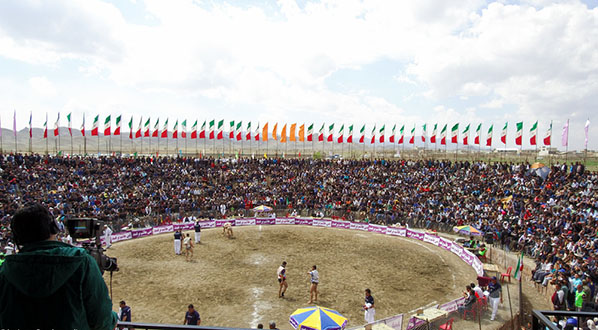
در اردیبهشتماه سال جاری، چهارمین دوره مسابقات کشتی با چوخه در روستای آلماجق با حضور علاقهمندان به ورزشهای بومی و سنتی برگزار شد. این رقابتها که نمادی از فرهنگ و سنت اصیل منطقه شمال خراسان است، بار دیگر جایگاه ویژه کشتی چوخه را در میان مردم و ورزشدوستان به نمایش گذاشت.
در وزن ۸۴ کیلوگرم این رقابتها، علی زحمتکش از مشهد موفق به کسب مقام نخست شد. امیرحسین کمایستانی از جوین مقام دوم را از آن خود کرد و پوریا قلیزاده از اسفراین نیز به مقام سوم دست یافت.
این رویداد نهتنها یک رقابت ورزشی، بلکه بهانهای بود برای بازنگری و معرفی ورزشها و بازیهای بومی و سنتی منطقه کشفرود که ریشه در فرهنگ غنی و تاریخ کهن این سرزمین دارد.
ورزشهای بومی و سنتی در منطقه کشفرود
در شهر توس، در کنار پل تاریخی فردوسی، گود مخصوص کشتی قرار دارد؛ نشانهای روشن از جایگاه مهم کشتی چوخه در زندگی اجتماعی مردم این ناحیه. اما کشفرود تنها محدود به کشتی نیست. از بازیهای محلی تا ورزشهای آبی، این منطقه تنوع کمنظیری در حوزه ورزشهای بومی دارد.
بازیهای محلی:
1. آفتاب مهتاب:
بازیای شاد و پرتحرک که در میان کودکان و نوجوانان محبوبیت دارد. در این بازی، دو نفر پشت به پشت میایستند، دستها را در هم قفل میکنند و با فرمان «آفتاب» یا «مهتاب» یکی از بازیکنان نفر دیگر را سوار بر پشت خود میکند و بازی ادامه مییابد.
2. اوستا سلامی:
یک بازی گروهی قدیمی و ریشهدار که بدون نیاز به ابزار خاص انجام میشود. یکی از بازیکنان با خم شدن در نقش «اوستا» قرار میگیرد و دیگران با طرح سوالاتی طنزآمیز مانند «آش جو خورده با ماس و خیار، عامو یادگار خوابی یا بیدار؟» سعی در شناخت وضعیت «اوستا» دارند. این بازی ترکیبی از شوخطبعی، حرکت و مشارکت گروهی است.
ورزشهای آبی:
رفتینگ در کشفرود:
رفتینگ، یا قایقسواری گروهی در آبهای متلاطم، یکی از محبوبترین تفریحات آبی منطقه کشفرود به شمار میآید. این ورزش در بخش میانی شهر، بهویژه در ایام گرم سال، گردشگران زیادی را به خود جذب میکند. استفاده از قایقهای بادی و هماهنگی گروهی با هدایت یک لیدر از ویژگیهای این فعالیت هیجانانگیز است.
سایر بازیها:
3. هفت سنگ:
از بازیهای قدیمی و پرطرفدار که در میان کودکان و نوجوانان رایج است. بازیکنان در دو گروه تقسیم شده و با هدف زدن هفت سنگ رویهم چیدهشده با توپ، مهارت و تمرکز خود را محک میزنند.
4. طنابکشی:
یکی از بازیهای اصیل و گروهی که در مراسم محلی، جشنها و روزهای ملی برگزار میشود و همزمان نیروی جسمانی، انسجام تیمی و هیجان را به نمایش میگذارد.
5. کشتی با چوخه:
استان پهلوان خیر خراسان و سرزمین نوادگان سربداران، مصفی به وجود پربرکت حرم مطهر حضرت رضا علیه السلام، اسوه تقوا و مردانگی و هشتمین امام شیعیان می باشد.
کشتی خاص این استان کشتی «باچوخه» است که بیشتر در نواحی قوچان، بجنورد، اسفراین، فریمان و چناران رایج است.
با چوخه برای علاقمندان به کشتی، نام آشنایی است. چراکه این ورزش، بلند پایگانی در کسوت پهلوانی و قهرمانی داشته و دارد.
در این کشتی ورزشکاران از لباس خاصی استفاده میکنند که عبارتست از:
شلواری مخصوص که تا زانو میباشد و در صورت عدم دستیابی به این شلوار از شلوار محلی بلند استفاده کرده، ولی پاچه های آن را در آغاز کشتی تا زانو بالا میزنند. دوم روپوش مخصوصی به نام چوخه دارد که قدری بلندتر از کت بوده و فاقد آستین میباشد و جنس آن از بافته های پشمی و نخی محکم است. سوم، پارچه ای به نام «شال» دارد که به کمر بسته میشود.
مدت زمان مبارزه ده دقیقه بدون توقف است. چنانچه در این فاصله کشتی به نتیجه نرسد، با دو دقیقه استراحت، مبارزه برای پنج دقیقه دیگر ادامه پیدا میکند.
در این کشتی از فنونی چون یک خم و گرفتن از زانو به پایین که ممنوع است، نمی توان استفاده کرد. همچنین این کشتی پل ندارد و چنانچه شانه حریف در جریان مبارزه بر زمین سایه اندازد بازنده خواهد بود. شگرد خاص این نوع کشتی فن لِنگ میباشد. قضاوت این ورزش را پیشکسوتان با چوخه برعهده دارند و بنابر عرف و رسم محلی جایزه پهلوانی که حریف خود را به زمین بزنند، یک راس قوچ است.
چشمانداز جهانی برای ورزشهای سنتی
به گفته سرپرست هیأت بازیهای بومی و محلی، این ورزشها ظرفیت بالایی برای جذب گردشگر داخلی و خارجی دارند. او افزود:
«در آیندهای نزدیک، تیمی متشکل از کشتیگیران سنتی و محلی از استانهای کردستان، کرمانشاه و ایلام برای شرکت در مسابقات کشتی محلی (زوران) به کشور عراق اعزام خواهند شد. این اتفاق، فرصتی ارزشمند برای معرفی فرهنگ و رسوم منطقه به جهان و گامی مهم در مسیر توسعه گردشگری فرهنگی خواهد بود.»
____________
Wrestling with a Chokhe; The Pride of Native Sports in the Heart of Kashafrud
Wrestling with a Chokhe - Traditional Native Kashafrud
In May of this year, the fourth edition of the wrestling with a chokhe competition was held in the village of Almajaq with the presence of enthusiasts of native and traditional sports. This competition, which is a symbol of the authentic culture and tradition of the North Khorasan region, once again demonstrated the special place of chokhe wrestling among the people and sports enthusiasts.
In the 84 kg weight category of this competition, Ali Zahmatkesh from Mashhad won first place. Amirhossein Kamayistani from Jovein took second place, and Pouria Gholizadeh from Esfarayen also won third place.
This event was not only a sports competition, but also an excuse to review and introduce the native and traditional sports and games of the Kashfrud region, which are rooted in the rich culture and ancient history of this land.
Local and traditional sports in the Kashfrud region
In the city of Toos, next to the historic Ferdowsi Bridge, there is a special wrestling pit; a clear sign of the important place of the Chokheh wrestling in the social life of the people of this region. But Kashfrud is not limited to wrestling alone. From local games to water sports, this region has an unparalleled diversity in the field of local sports.
Local games:
1. Moonlight Sun:
A happy and dynamic game that is popular among children and adolescents. In this game, two people stand back to back, lock hands, and with the command "Sun" or "Moonlight", one of the players puts the other on his back and the game continues.
2. Avesta Salami:
An old and deep-rooted group game that is played without the need for special tools. One of the players bends down to play the role of "Avesta" and the others ask humorous questions such as "Ash-e-Jo Khorde with Mas and Khiyar, Amo Yadgar, are you asleep or awake?" They try to understand the state of the "Avesta". This game is a combination of humor, movement and group participation.
Water sports:
Rafting in Kashfrud:
Rafting, or group boating in turbulent waters, is one of the most popular water activities in the Kashfrud region. This sport attracts many tourists in the central part of the city, especially during the hot season. The use of inflatable boats and group coordination under the guidance of a leader are features of this exciting activity.
Other games:
3. Haft Sang:
An old and popular game that is common among children and adolescents. Players are divided into two groups and test their skills and concentration by hitting seven stones stacked on top of each other with a ball.
4. Tug of war:
One of the original and group games that is held in local ceremonies, celebrations and national days and at the same time demonstrates physical strength, team cohesion and excitement.
5. Wrestling with Chokheh:
The province of Khorasan, the hero of the good and the land of the descendants of the Sarbedaran, is blessed with the blessed presence of the Holy Shrine of Imam Reza (AS), the model of piety and manliness and the eighth Imam of the Shiites.
The special wrestling of this province is the "Bachokhe" wrestling, which is more common in the areas of Quchan, Bojnourd, Esfarayen, Fariman and Chenaran.
Chokheh is a familiar name for wrestling enthusiasts. Because this sport has and has a long history in the guise of heroism and heroism.
In this wrestling, athletes use special clothes, which include:
Special pants that are knee-length, and if these pants are not available, long local pants are used, but their legs are raised to the knee at the beginning of the wrestling. The second has a special cloak called a chokhe, which is slightly longer than a coat and has no sleeves, and is made of strong wool and cotton. The third has a cloth called a "shawl" that is tied around the waist.
The duration of the fight is ten minutes without stopping. If the fight does not result in this interval, the fight continues for another five minutes with a two-minute break.
In this fight, techniques such as a bend and a knee-down hold, which are prohibited, cannot be used. Also, this fight does not have a bridge, and if the opponent's shoulder falls on the ground during the fight, he will lose. The special technique of this type of fight is the fan lang. The referees of this sport are elders with a chokhe, and according to local customs and traditions, the prize for the champion who knocks his opponent to the ground is a ram's head.
Global outlook for traditional sports
According to the head of the board of indigenous and local games, these sports have a high potential to attract domestic and foreign tourists. He added: "In the near future, a team of traditional and local wrestlers from Kurdistan, Kermanshah and Ilam provinces will be sent to Iraq to participate in local wrestling competitions (Zoran). This event will be a valuable opportunity to introduce the culture and customs of the region to the world and an important step towards the development of cultural tourism."