
Kashafrud river - رودخانه کشف رود
اینجا درباره رودخانه کشفرود ایران مینویسم
Kashafrud river - رودخانه کشف رود
اینجا درباره رودخانه کشفرود ایران مینویسمدرباره من
 از اونهام که می گم آدم بایست حرف خودشو بزنه، اما یاد گرفتم که هر حرفی رو تو جاش بزنم، اینجا، هرچی می خوام رو می گم
ادامه...
از اونهام که می گم آدم بایست حرف خودشو بزنه، اما یاد گرفتم که هر حرفی رو تو جاش بزنم، اینجا، هرچی می خوام رو می گم
ادامه...
گردشگری و دریاچه ارومیه
نیمه شمال غربی کشور ایران، یکی از نقاط پرجاذبه و گردشگری مهم است. من طی چند بار سفری که آنجا داشته ام از نقاط مختلف آن دیدن کرده ام. یکی از دلایل اینکه توانسته ام در همان بارهای اول بسیاری از جاهای معروف و حتی رود ارس و دریاچه ارومیه استان آذربایجان شرقی و غربی را تقریبا یکجا ببینم به هم پیوستگی راه های ارتباطی آن بوده است. قطار و اتوبوس با جایگذاری مناسب موجب شد من در سه سفر چند جای مهم گردشگری این استان ها را ببینم.

البته، تبریز شهری است پر از جاذبه های گردشگری تاریخی، که پیشنهاد میکنم حتما یک سفر به آنجا بروید. این شهر به ویژه در شیرینی جات شهرت دارد. قرابیه گردویی و چند شیرینی گردویی و بادامی از سوغات این شهر است، که نشان از باغات پر از گردو و بادام آن دارد.
آنچه که به راحتی مشهود بود جمع شدن آنها برای یک تفریح جمعی جوانانه دور میدان شهر کمتر در شهرهای دیگر ایران دیده میشود. اگر زبان ترکی آنها را نمیدیدم فکر میکردم که از شهرهای دیگر آمده اند.
دریاچه ارومیه
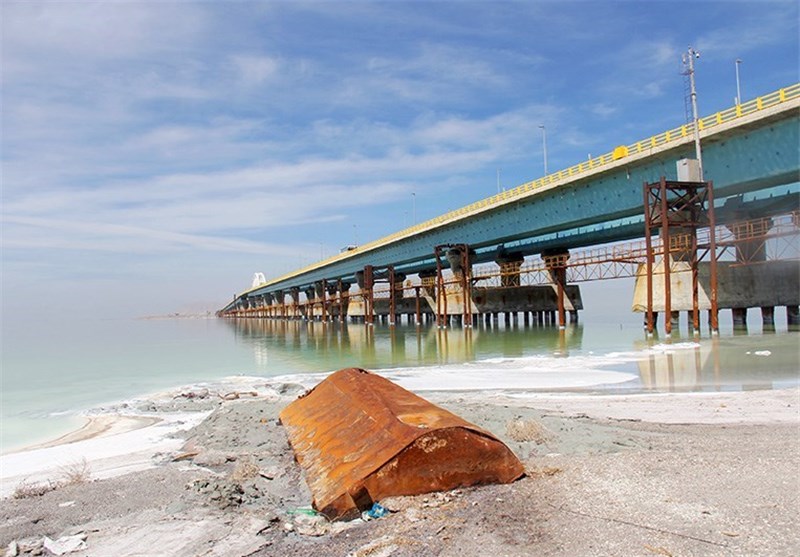
پس از رود ارس که بعنوان مرز ایران قرار گرفت سخن از دریاچه ارومیه است. هر دو رود ارس و دریاچه ارومیه امروز برای ما یادآور پرندگان مهاجر آن هستند. رود پر پیچ و خم ارس که هم ارز با آن جاده ای در پیچ و خم احداث شده یادآور گذرگاه های مرزی آن منطقه است. یک چند روستا هم سر راه قرار میگیرند که با ذوقی که دارند تابلوی گردشگری علم کرده اند. دریاچه ارومیه هم همین طور است. یعنی، اگرچه قطار و خودرو از مسیر آن عبور میکند، ولی یک ایستگاه گردشگری طبیعی محسوب نمیشود، بلکه بیشتر به رویایی شباهت دارد که خواب آن را ساکنین منطقه می بینند و نه گردشگرانی که برای یک گذر از مرز به آنجا سفر میکنند و یا کاری دانشگاهی در آنجا دارند.
پل دریاچه ارومیه
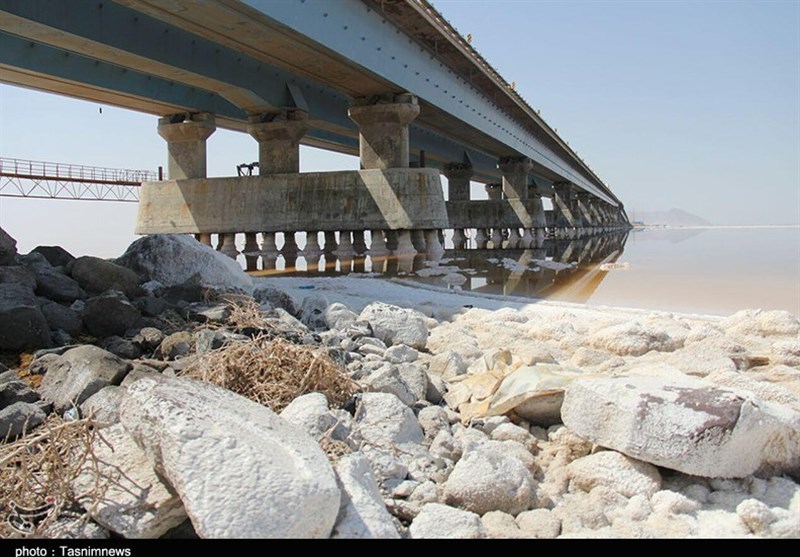
از سالهای ۹۴ که خیز جهانی برای هشدار درباره دریاچه آب شور ارومیه برداشته شد من در جریان تلاش برای احیای آن قرار گرفتم. هر روز فایل گیف، فیلم و عکس میگرفتند تا از این دریاچه و روند پیشرفت احیای آن گزارش تهیه کنند. حتی تا همین چند وقت پیش من در سطح بین الملل شاهد ارائه گزارش از پلانگتونها و ریزجانوران و باکتری های مفید این دریاچه بودم که جای تقدیر دارد.
غفلت در اطلاع رسانی
نکته جالب درباره این دریاچه اطلاعرسانی درباره آن است. یعنی من بعنوان یک محقق شاهد تبلیغات گسترده علمی درباره این دریاچه بوده ام، اما آیا در سطح مردمی هم برای آن تبلیغ شده است؟
پاسخ این سوال را من در نظرات مردمی دیدم که برای گردشگری به دیدن پل های تاریخی رود کارون در اهواز رفته بودند. برایم نظر فردی جالب بود که حسرت میکشید کاش یکی از پل های رودخانه کارون را دریاچه ارومیه داشت تا با آن بتوانند دریاچه ارومیه را بعنوان یک جاذبه و مکان دیدنی معرفی کنند!
همین نکته را وقتی شاهد بودم که فقط ۱۷ نظر برای پل داده بودند که بعنوان میان گذر دریاچه ارومیه میشناختند. یعنی شهرت این پل به اندازه کافی نبوده است و دلیل آن هم کوتاهی در اطلاع رسانی هم در عرشه پل و هم در تولید محتوی در فضای مجازی بوده است. پل دریاچه ارومیه، امروز شهرتی در حد چیزی فقط دوبرابر شهرت پل فردوسی کشفرود دارد، و این برای یک دریاچه که هنوز آب دارد رقم بسیار ناچیزی است.
مخالفت با اغلب طرح های بهسازی
در مورد دریاچه ارومیه مانند رودخانه کشفرود گلایه بسیار است. اصلا بقدری شکوه و گلایه هست که همان قدر، نظرات دلسوزانه کارشناسی در آن گم میشود. درست در جایی که سخن از پل دریاچه ارومیه بعنوان یک تکیه گاه برای گسترش گردشگری منطقه میرود کسی پیدا میشود که می گوید همین پل عامل خشکی دریاچه و چشمه های آن بوده است. یا برای کشاورزی در منطقه: وقتی سخن از بهبود وضع آبرسانی کشاورزی استان میشود حتما کسی پیدا میشود که مخالف رونق و توسعه کشاورزی، مخصوصا باغات سیب استان میشود.
جالب تر اینکه کسیکه خود مسئول احیای دریاچه ارومیه بوده است از نظر شکوه و گلایه تیزترین زبان را نسبت به سایرین دارد.
پروژه احیای دریاچه ارومیه نیازمند سبک سنگینی
هر طرحی که برای احیای دریاچه ارائه میشود نیازمند سبک سنگینی است تا شرایط آن رو به بهبودی برود. تا کنون اقدامات و پیشنهادات خوبی برای بهبود آن ارائه شده است و لازم است ادامه پیدا کنند، اطلاع رسانی مردمی شود و با صبر و حوصله از چالش ها و موانع موجود گذر کرد.
________________
The northwestern half of Iran is one of the most attractive and important tourist destinations. I have visited different parts of it during my several trips there. One of the reasons why I was able to see many famous places and even the Aras River and Lake Urmia in East and West Azerbaijan provinces almost simultaneously at the first time was the interconnectedness of its communication routes. Trains and buses, with appropriate placement, allowed me to see several important tourist places in these provinces in three trips.
Tabriz Qorabieh
Of course, Tabriz is a city full of historical tourist attractions, which I recommend you definitely take a trip there. This city is especially famous for its sweets. Walnut Qorabieh and several walnut and almond sweets are souvenirs of this city, which shows the gardens full of walnuts and almonds.
The interesting thing about this city is its youth. What was easily visible was their gathering for a youth-oriented social gathering around the city square, which is rarely seen in other cities in Iran. If I hadn't seen their Turkish, I would have thought they had come from other cities..
Lake Urmia
After the Aras River, which was established as the border of Iran, we are talking about Lake Urmia. Both the Aras River and Lake Urmia remind us of their migratory birds today. The winding Aras River, which has a winding road built along it, reminds us of the border crossings in that region. There are also a few villages along the way that have tastefully decorated tourist signs. Lake Urmia is the same. That is, although trains and cars pass through it, it is not considered a natural tourist station, but rather resembles a dream dreamed by the residents of the region, not by tourists who travel there to cross the border or have academic work there.
Lake Urmia Bridge
Since 2015, when a global outcry was raised to warn about the saltwater lake of Urmia, I have been aware of the efforts to revive it. Every day, they took GIF files, videos, and photos to report on this lake and the progress of its restoration. Even recently, I witnessed an international report on the plankton, microorganisms, and beneficial bacteria of this lake, which is commendable.
Neglect in Information
An interesting point about this lake is the information about it. That is, as a researcher, I have witnessed extensive scientific propaganda about this lake, but has it also been promoted at the public level?
I saw the answer to this question in the comments of people who had gone to see the historical bridges of the Karun River in Ahvaz for tourism. I found the comment of someone interesting who wished that Lake Urmia had one of the bridges of the Karun River so that they could introduce Lake Urmia as a road and a place to see!
I witnessed the same point when they only gave 17 comments about the bridge, which they knew as a passageway to Lake Urmia. This means that the bridge has not been famous enough, and the reason for this has been the lack of information both on the bridge deck and in the production of content in cyberspace. The Lake Urmia Bridge today has a reputation that is only twice as famous as the Ferdowsi Kashafrud Bridge, and this is a very small number for a lake that still has water.
Opposition to most improvement plans
There is a lot of complaining about Lake Urumieh, like the Kashafrud River. There is so much boasting and complaining that compassionate expert opinions are lost in it. Right where the Lake Urmia Bridge is talked about as a support for the development of tourism in the region, there is someone who says that this bridge was the cause of the drying up of the lake and its springs. Or for agriculture in the region: When it comes to improving the agricultural situation in the province, there is definitely someone who opposes the prosperity and development of agriculture, especially the province's apple orchards.
What is more interesting is that the person who was responsible for the restoration of Lake Orumia has the sharpest tongue compared to others in terms of boasting and complaining.
Lake Urumia Restoration Project Requires trade off
Any plan presented for the restoration of the lake requires trade-off to improve its conditions. So far, good measures and suggestions have been presented to improve it, and they need to be continued, public information needs to be provided, and existing challenges and obstacles must be overcome with patience and perseverance.
زیرساخت رودخانه یا برجام
بحران آب، شکاف آماری و مناقشههای پنهان در مدیریت منابع
مقدمه
تابستان ۱۴۰۳ و حتی 1404 با شاخصهای جوی هشداردهندهای آغاز شده اند. در یکی از روزهای تیرماه، دمای ۳۳ درجه سانتیگراد، رطوبت ۹ درصد و شاخص فرابنفش ۱۲.۱ (در بازه بسیار خطرناک) شرایطی پدید آورده که حتی چند دقیقه قرار گرفتن در فضای باز نیز تهدیدی برای سلامت عمومی تلقی میشود. در چنین شرایطی، تأمین منابع آبی پایدار نه تنها یک نیاز زیستی، بلکه یک چالش امنیتی و اجتماعی به شمار میرود.
پروژه انتقال آب عمان؛ امیدی برای شرق کشور
طرح انتقال آب از دریای عمان به استانهای شرقی ایران، یکی از بزرگترین پروژههای آبی در تاریخ ایران به شمار میرود. این طرح، در ۱۸ جبهه کاری فعال است و طبق برنامه، تا پایان سال ۱۴۰۵ آب دریای عمان را به مشهد خواهد رساند. هدف این پروژه، رفع عطش مزمن خراسان، سیستان و بخشهایی از جنوب خراسان جنوبی است.
اما در کنار امید، پرسشهایی بنیادین نیز مطرح است: آیا انتقال بینحوضهای آب، راهحلی پایدار است؟ آیا بهرهبرداران نهایی آمادگی مدیریت این آب را دارند؟ و آیا واقعاً جایگزینی برای این راهحل پرهزینه وجود ندارد؟
کشف منابع آبی در هامون؛ فرصت یا توهم؟
تیمی از کارشناسان حوزه آبخیزداری اخیراً با حضور میدانی در منطقه زابل، ادعایی جنجالی را مطرح کردهاند: در ارتفاعات مرزی زاهدان و خراسان جنوبی، منابع آبی زیرسطحی بهاندازهای وجود دارد که هم آب شرب زابل را تأمین کند و هم کشاورزی هیدروپونیک را ممکن سازد.
این یافتهها بر پایه دادههای راداری و نه صرفاً آمار ایستگاههای هواشناسی بهدست آمدهاند. تحلیلگران معتقدند که تکیه صرف بر دادههای محدود هواشناسی، تصویری ناقص و حتی گمراهکننده از وضعیت واقعی آب ارائه داده است.
خطای آماری که میلیاردها هزینه آفرید
یک «صفر» اشتباه در ثبت بارش در ایستگاههای هواشناسی، بهتنهایی زمینهساز اجرای دهها پروژه عظیم آبشیرینکن و برداشت آب ژرف شده است.
کارشناسان تأکید میکنند که اگر بهجای اعتماد مطلق به دادههای ایستا، از روشهای دقیقتری چون سری زمانی و تصویربرداری راداری استفاده میشد، سیاستگذاریهای پرهزینه امروز بهشکلی مؤثرتر و منطقیتر طراحی میشدند.
پرونده زایندهرود؛ قضاوت ناعادلانه درباره آبخیزداری
در بحران زایندهرود، وزارت نیرو پروژههای آبخیزداری را مقصر کمآبی سد دانست. اما پژوهشگران حوزه منابع طبیعی با تحلیل روندهای بلندمدت از سال ۱۳۶۰ تاکنون، نشان دادند که افت شدید سطح آب زیرزمینی، افزایش سطح زیرکشت و توسعه کشاورزی در دوران خشکسالی، نقش اصلی را ایفا کردهاند.
بهعبارتی، رشد کشاورزی در شرایط کمبارشی تنها از یک منبع تغذیه شده است: آبهای زیرزمینی.
تمرکزگرایی در سیاستگذاری آب؛ صدای خاموش منابع طبیعی
در بسیاری از مناقشههای آبی، وزارت نیرو بهدلیل نفوذ و قدرت اجرایی، نقش غالب را ایفا میکند. در مقابل، حوزه آبخیزداری – با وجود آنکه پروژههایش اثرات بلندمدت مثبت دارند – کمتر توان دفاع از خود را دارد.
مصداق بارز این موضوع، مناقشه بر سر پروژه زایندهرود است که علیرغم مستندات علمی، موجب تضعیف جایگاه آبخیزداری شد.
تضادهای سیاست آبی: چرا فقط در کویر سد میزنیم؟
در استانهایی چون گیلان، میلیاردها مترمکعب آب شیرین مستقیماً به خزر ریخته میشود. چرا هیچ برنامهای برای مهار این آبها ارائه نشده است؟ چرا پروژههای سدسازی عمدتاً در مناطق کویری اجرا میشوند، نه در نزدیکی دریا؟
آیا سیاست آبی کشور، بیش از آنکه بر اساس ظرفیت واقعی مناطق طراحی شود، متأثر از منافع اقتصادی و ملاحظات سیاسی نیست؟
طنز تلخ مدیریتی؛ آب اشتباهی صادر شد!
در رخدادی کمسابقه، ۵ میلیون مترمکعب آب از منطقه سیستان به افغانستان منتقل شد. این در حالی بود که همزمان، خبر اخراج ۵ میلیون مهاجر غیرمجاز منتشر شده بود.
آیا این همزمانی حاصل اشتباهی در اطلاعرسانی بوده؟ آیا اگر سازوکار مدیریت دادهها و خبررسانی درست عمل میکرد، این اشتباه پرهزینه رخ میداد؟
نتیجهگیری: اصلاح نگرش، نه صرفاً اصلاح زیرساخت
مدیریت آب در ایران نیازمند بازنگری عمیق در منطق تصمیمگیری و منابع دادهای است. در کنار توسعه زیرساختها، باید به دادههای میدانی، منابع طبیعی، سریهای زمانی و تحلیل روندها بیشتر توجه کرد. تحلیل چالشهای سیاستگذاری آبی در ایران با نگاهی به پروژههای انتقال، آمار هواشناسی و آبخیزداری حاکی از آن است که درسطح دیپلماسی به جای اینهمه خرج که برای برجام کردند میتوانستند با جمع آوری آبهای سطحی رودخانه ای به اسم ایرانرود در کنار سایر رودها درست کنند.
به جای اینکه با کاغذ پاره ای به اسم برجام پول، وقت و زندگی ما را صرف آن کنند میتوانستند آبها را جمع کنند و رودخانه ای نزدیک محل زندگی ما شکل دهند که پاسخی باشد به نیاز امروز به بحران آب و گرمایش زمین.
این کارها را نکردند و از برجام که کاغذ پاره ای بیش نبود دستمایه ای برای سالها عقب نگه داشتن کشور ساختند. کوتاه هم نمی آیند و وقتی که میگوییم جایزه ای که بابت دستاورد هیچ در برجام به خود دادین را پس بدهید تا به سازندگی کشور و حل زیست محیطی آن بپردازیم می گویند حرف عجیبی است.
میگویند آنکه آن نفری صد سکه که بین خود بعنوان پاداش ثبت برجام پخش کردیم داده ای است که پس گرفتنی نیست.
______________
Water Crisis, Statistical Gap and Hidden Conflicts in Resource Management
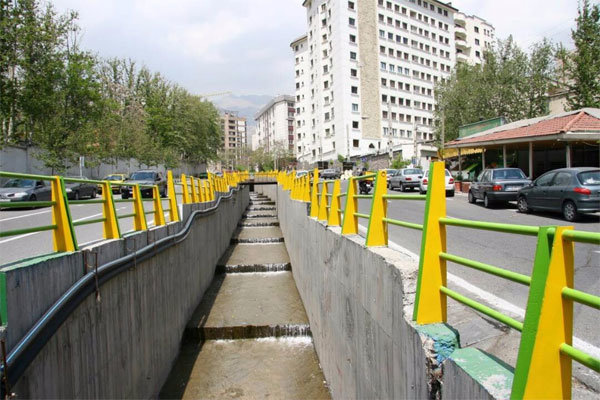
Surface Water Collection Channel
Introduction
Summer 2024 has begun with alarming weather indicators. On one day in July, a temperature of 33 degrees Celsius, 9% humidity and an ultraviolet index of 12.1 (in the very dangerous range) have created conditions where even a few minutes of being outdoors is considered a threat to public health. In such conditions, providing sustainable water resources is not only a biological need, but also a security and social challenge.
Oman Water Transfer Project; Hope for the East of the Country
The project to transfer water from the Sea of Oman to the eastern provinces of Iran is one of the largest water projects in the history of Iran. This project is active on 18 work fronts and, according to the plan, will deliver water from the Sea of Oman to Mashhad by the end of 2025. The goal of this project is to quench the chronic thirst of Khorasan, Sistan and parts of southern South Khorasan.
But alongside the hope, there are also fundamental questions: Is inter-basin water transfer a sustainable solution? Are the end users prepared to manage this water? And is there really no alternative to this costly solution?
Discovery of water resources in Hamoon: Opportunity or illusion?
A team of watershed management experts recently made a controversial claim in the Zabol region, with a field presence: in the border heights of Zahedan and South Khorasan, there are subsurface water resources large enough to both supply Zabol with drinking water and make hydroponic agriculture possible.
These findings were obtained based on radar data and not just statistics from weather stations. Analysts believe that relying solely on limited weather data has provided an incomplete and even misleading picture of the real water situation.
Statistical error that cost billions
A single “zero” in rainfall recording at meteorological stations has paved the way for dozens of massive desalination and deep-water harvesting projects.
Experts emphasize that if more accurate methods such as time series and radar imaging were used instead of relying entirely on static data, today’s costly policies would have been designed more effectively and logically.
Zayandeh Rud case; unfair judgment on watershed management
In the Zayandeh Rud crisis, the Ministry of Energy blamed watershed management projects for the dam’s water shortage. However, natural resources researchers, analyzing long-term trends since 1988, have shown that the sharp drop in groundwater levels, the increase in cultivated area, and the development of agriculture during the drought played a major role.
In other words, agricultural growth in low-rainfall conditions has been fueled by only one source: groundwater.
Centralization in water policymaking; the silent voice of natural resources
In many water disputes, the Ministry of Energy plays a dominant role due to its influence and executive power. In contrast, the watershed management sector – despite the fact that its projects have positive long-term effects – is less able to defend itself.
A clear example of this is the dispute over the Zayandeh Rood project, which, despite scientific documentation, weakened the position of watershed management.
Water policy contradictions: Why do we only build dams in the desert?
In provinces such as Gilan, billions of cubic meters of fresh water are poured directly into the Caspian Sea. Why has no plan been presented to control this water? Why are dam projects mainly implemented in desert areas, not near the sea?
Isn’t the country’s water policy influenced by economic interests and political considerations rather than being designed based on the actual capacity of the regions?
A bitter managerial irony; the wrong water was exported!
In a rare event, 5 million cubic meters of water were transferred from the Sistan region to Afghanistan. This was while at the same time, news of the expulsion of 5 million illegal immigrants was published.
Was this synchronicity the result of a mistake in information dissemination? Would this costly mistake have occurred if the data management and information dissemination mechanism had been functioning properly?
Conclusion: Attitude reform, not just infrastructure reform
Water management in Iran requires a deep review of the decision-making logic and data sources. In addition to infrastructure development, more attention should be paid to field data, natural resources, time series, and trend analysis. An analysis of the challenges of water policymaking in Iran, looking at the transfer projects, meteorological statistics and watershed management, indicates that at the diplomatic level, instead of spending all this money on the JCPOA, they could have created a river called Iran River by collecting surface water alongside other rivers.
Instead of spending our money, time and lives on a piece of paper called the JCPOA, they could have collected the water and formed a river near our place of residence that would be an answer to today's need for water crisis and global warming.
They did not do these things and made the JCPOA, which was nothing more than a piece of paper, a tool to hold the country back for years. They do not hesitate and when we say that you should return the reward you gave yourself for the achievement of nothing in the JCPOA so that we can focus on building the country and solving its environmental problems, they say that it is a strange thing to say.
They say that the hundred coins that we distributed among ourselves as a reward for registering the JCPOA is data that cannot be taken back.
کاروان پیاده امام رضا
کاروان پیادهروی امام رضا در مسیر کشفرود
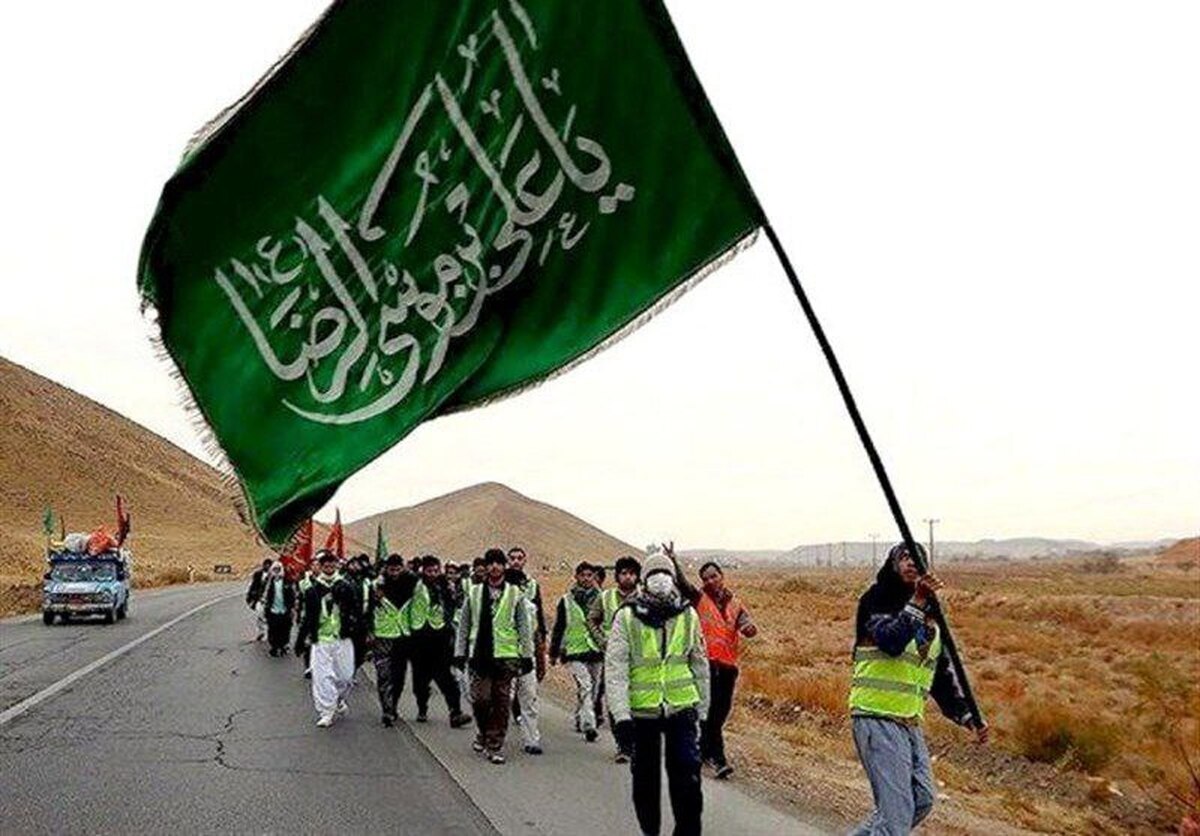
از دیروز بعد ازظهر شاهد حضور کاروان های پیاده در مسیر کشفرود به سمت حرم امام رضا بودیم. شهادت امام رضا علیه السلام شنبه می افته.
زائرانی که با پای پیاده در مسیر حرم امام رضا علیه السلام قدم برداشته بودند اغلب راه بزرگراه پیامبر اعظم را انتخاب میکردند. برخی که راه گم کرده بودند و یا کنجکاو به طی مسیرهای دیگر بودند راه بلوار توس را انتخاب کرده بودند که چون از نظر عبور کاروان ها مسیری است که شهرت کمتری دارد موکب خاصی برای استقبال از زائرین ندارد و دیده شده به جز تنها یک خط عبوری ۲۰۵ اتوبوس امتیاز خاصی برای مسافرین نیست. بلکه اگر در راه بمانند دیر هم سوارشان میکنند و خط عبور ویژه تاکسی نیز ندارد.
برای کاروان ها یک چند موکب گذاشته اند.
خود کاروان ها هم اغلب یک ماشین تدارکاتی دارند که با گذر زمان ترافیک خودروها را دربر دارد. مشهد بمناسبت شهادت امام رضا شنبه را تعطیل اعلام کرده است که پاسخگوی نیاز زائرین پیاده که از سه شنبه هفته قبل طی مسیر خود را آغاز کرده اند، نبوده است.
برای بسیاری مسیر بزرگراه پیامبر اعظم راه برگشت از سمت شهر مشهد به قوچان و شیروان، گلبهار و سایر شهرهای شمال خراسان بود که شامل کامیونهای بزرگ، حمل آب و غیره نیز میشدند. این مسیر برعکس مسیر تردد کاروانهای پیاده بود. در راه گرمازدگی، تشنگی راه را برای زائران سخت کرده بود زیرا موج گرمای جدیدی بخاطر گنبد گرمایی هفته اول شهریور اضافه شده است. یکی بطری آب در دهان در حالی که سرش رو به بالا بود فقط راه میرفت. ترافیک خودروها بیشتر موجب گرم شدن شده بود و کمی جلوتر اتوبوس ۲۰۲ را دیدم که خراب شده بود و اتوبوس امداد در حال تعمیر آن بود. بطری آب در اثر گرمای خورشید گرم شده بود و زمان نیاز داشت که خنک شود.
گرما در مسیر کشف رود نه تنها زائران پیاده امام رضا علیه السلام سخت کرده بود بلکه پرندگان را هم کلافه کرده بود. در اطراف کشف رود پرندگان متنوعی هستند که آب و هوا روی آنها هم تاثیر میگذارد.
من در مسیر و جای موکب ها، آمبولانس و اورژانس به آن صورت ندیدم. این در حالی بود که آن گرما و آلودگی هوا قطعا گرمازدگی و ناراحتی های قلبی فزاینده به دنبال داشت و اگر تدارکات کاروان ها و یا خود موکبها تمهیداتی در این مورد داشتند که خوب بود، وگرنه که هیچ. ابتدای بلوار شاهنامه یک بیمارستان طالقانی هست که برای رفتن به آن لازم است روگذر عابر پیاده را طی کنند و یا با خودرو دوربرگردان دوری را طی کنند تا به در بیمارستان برسند. این بیمارستان از سمت جاده شاندیز و شهرک صنعتی توس قرار دارد. محل استقرار ایستگاه اورژانس بعدی ۳ کیلومتر جلوتر است و بعد از آن ایستگاه اورژانس خاصی نیست تا بیمارستان رضوی. فاصله هر موکب از هم ۵۰۰ متر تا یک کیلومتر میرسید. این فاصله زیاد بود و بنظر نمیرسید فکر خاص و برنامه خاصی برای عبور از گرمای تابستان، آن هم با وجود گنبد گرمایی کرده باشند. فقط یک یک ساعتی قطعی برق داشتیم که آسیب زننده به وسایل برقی بود، و راهکار بلندمدتی محسوب نمیشود.
_____________________
Imam Reza's walking caravan on the Kashafrud route
Since yesterday afternoon, we have witnessed the presence of walking caravans on the Kashfrud route towards the shrine of Imam Reza.
Pilgrims who had walked on foot on the shrine of Imam Reza (peace be upon him) often chose the Great Prophet Highway. Some who had lost their way or were curious about other routes had chosen the Toos Boulevard route, which, since it is a less famous route for caravans, does not have a special procession to welcome pilgrims, and it has been seen that there is no special privilege for passengers except for a single 205 bus lane. Rather, if they stay on the road, they are picked up late, and there is no special taxi lane.
They have set up a few convoys for the caravans.
The caravans themselves often have a supply car that, over time, covers the traffic of cars. Mashhad has declared Saturday closed on the occasion of the martyrdom of Imam Reza, which has not met the needs of the pilgrims who have started their journey on foot since Tuesday of the previous week.
For many, the Prophet Muhammad Highway was the way back from Mashhad to Quchan, Shirvan, Golbahar, and other cities in northern Khorasan, which included large trucks, water carriers, etc. This route was the opposite of the foot caravan route. On the way, heat exhaustion and thirst made the journey difficult for the pilgrims, as a new heat wave had been added due to the heat dome of the first week of Shahrivar. One of them was just walking with his head up, holding a bottle of water in his mouth. The traffic of cars had caused more heat, and a little ahead, I saw bus 202 that had broken down and an aid bus was repairing it. The water bottle had heated up due to the heat of the sun and needed time to cool down.
The heat on the way to Kashafrud not only made it difficult for the foot pilgrims of Imam Reza (AS) but also bothered the birds. There are various birds around Kashafrud, which are also affected by the weather.
I did not see any ambulances or emergency services on the route and in the place where the processions were taking place. This was while the heat and air pollution definitely led to heatstroke and increasing heart problems, and if the caravan logistics or the processions themselves had some arrangements for this, that would be good, but otherwise nothing. At the beginning of Shahnameh Boulevard, there is a Taleghani Hospital, which requires a pedestrian overpass to get to or a long roundabout to reach the hospital door. This hospital is located from Shandiz Road and Toos Industrial Park. The next emergency station is 3 kilometers ahead, and after that there is no special emergency station until Razavi Hospital. The distance between each procession was 500 meters to one kilometer. This distance was a long one, and it did not seem like they had made any special thought or plan to overcome the summer heat, even with the heating dome. We only had a one-hour power outage that damaged electrical appliances, and it's not a long-term solution.
آب طالقان یا گاز طالقان؟
من نگاه کردم منظور از آب طالقان که دارند آن را به تهران میدهند آب سد طالقان بر رودخانه شاهروده. اون هم برای چه کسانی؟
برای جمعیت فزاینده ساکنین تهران
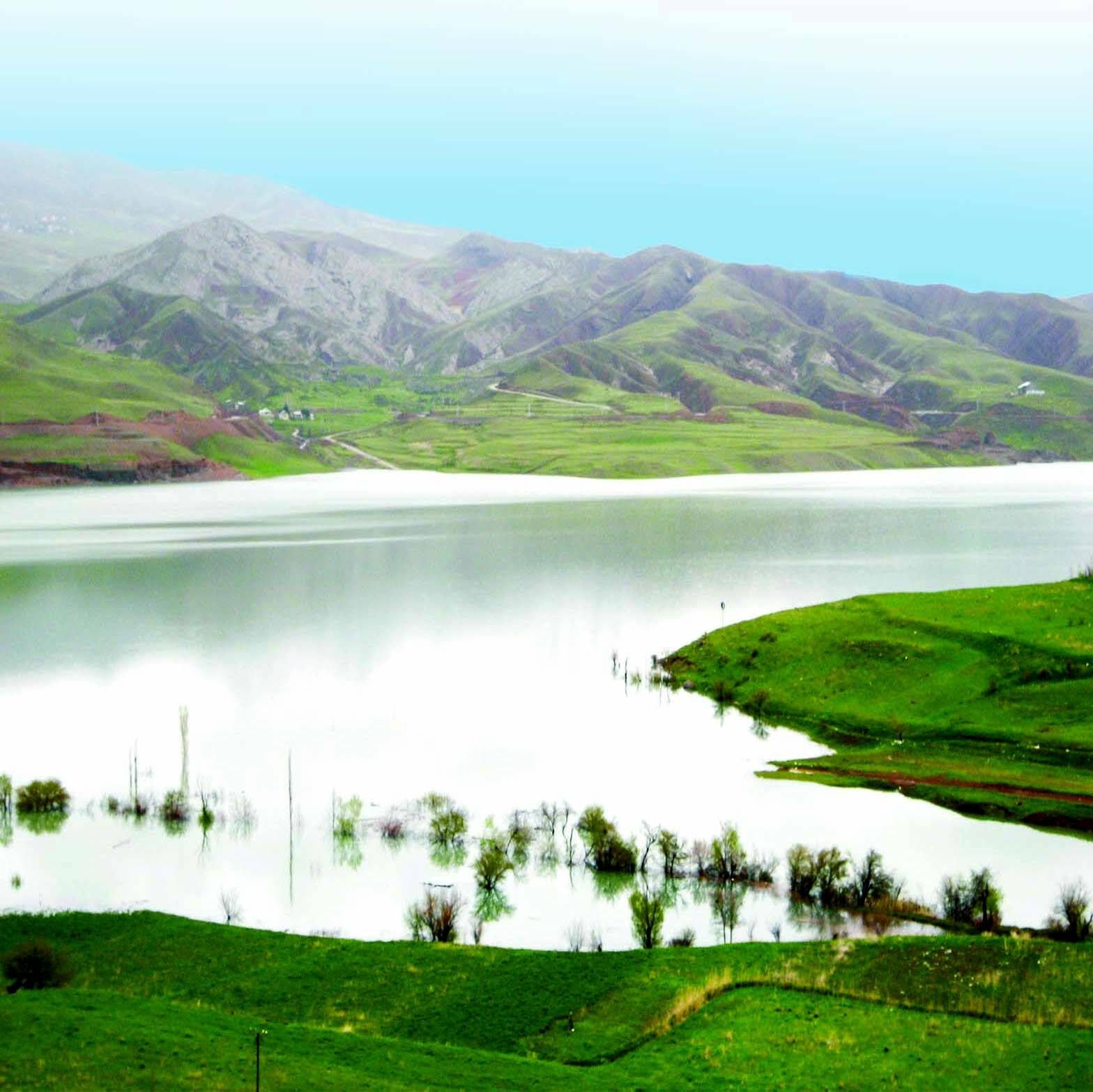
تهران با امکانات خوبی که دارد و با سوئیت های مجردی ارزانی که مخصوصا برای آقایان دارد، مقصد شماره یک مهاجران از سایر شهرهاست.
حال سوال این جاست که پس از خشک شدن سدهای متعدد، به کجا چنین شتابان؟!
آب طالقان را امروز ببرید فردا نوبت گاز است.
در روزهای گرم تابستان با عدم جلوگیری از بهره برداری بیش از حد از منابع برای امکاناتی چون مزرعه های استخراج رمزارز، شاهد قطعی مکرر برق صنایع و کمبود آب و خشکسالی در پی سوزاندن جنگل های کنار دریاهای اروپایی و ترکیه بودیم. اما این همه ماجرا نیست.
در اخبار گفتند بعد از سی سال توقف قرار است حفاری نفت دریای خزر (دریای کاسپی) نیز از سر گرفته شود که اگر در نقشه به طالقان و موقعیت جغرافیایی رد شدن شاهرود از آن منطقه بیندازید به قطعه پازلی میرسید که در آن قرار است خشکی بیشتر نصیب خطه سرسبز گیلان، مازندران، گلستان و شاهرود ایران شود!
آیا همه اینها فقط به خاطر اینکه قصدی به اجرای پروژه ایرانرود ندارند؟
تاخیر در آبرسانی به مشهد تشنه را در نظر بگیرید که هم اینک وضعیت سدهای آن در بحران است تا شاهد باشید چقدر زود و بی سروصدا مرغ طالقان را برای سرخ کردن تهران میپزند و نوش جان میکنند.
______________
I looked and saw that the Taleghan water that they are giving to Tehran is the water from the Taleghan Dam on the Shahroud River. Who is that for?
For the growing population of Tehran residents,
Tehran, with its good facilities and cheap single suites, especially for men, is the number one destination for immigrants from other cities.
Now the question is, where are they going in such a hurry after the numerous dams dry up?!
Take Taleghan water today, tomorrow it's gas's turn.
On hot summer days, with the failure to prevent excessive exploitation of resources for facilities such as cryptocurrency mining farms, we witnessed frequent power outages in industries, water shortages, and droughts following the burning of forests along the European and Turkish coasts. But that's not all.
The news said that after a thirty-year hiatus, oil drilling in the Caspian Sea is set to resume. If you look at Taleghan on a map and the geographical location of the Shahrood River passing through that area, you will come across a puzzle piece in which more land is set to be given to the lush regions of Gilan, Mazandaran, Golestan, and Shahrood in Iran!
Is all this just because they have no intention of implementing the Iranrood project?
Consider the delay in supplying water to thirsty Mashhad, whose dams are currently in crisis, and you will see how quickly and quietly they cook Taleghan chicken to fry for Tehran and enjoy it.
زاهدان و باهوکلات
بودجه و اولویت بندی مسائل سیستان و بلوچستان کجا میرود؟
زاهدان؛ قلب فرهنگی و چالشهای جنوبشرقی ایران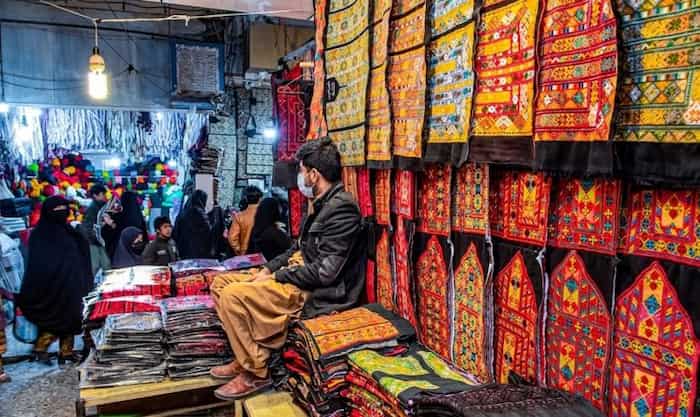
مقدمه
زاهدان، مرکز استان سیستان و بلوچستان، نهتنها بهعنوان یک نقطه استراتژیک در مرزهای جنوبشرقی ایران شناخته میشود، بلکه قلب تپنده فرهنگ و سنت بلوچ نیز هست. بازارچه سرپوشیده تاریخی آن، لباسهای رنگارنگ و دستدوز بلوچی، و مهماننوازی مردمانش، جلوهای از اصالت این سرزمین را نشان میدهد. در این میان، «دهکده المپیک» زاهدان و زمین چمن فوتبالش، میزبان تیمهای ورزشی مناطق مختلف شده است.
اما پشت این تصویر رنگارنگ، واقعیتی تلخ نیز جریان دارد: تخریب تدریجی محیط زیست و کمتوجهی به سرمایههای طبیعی که میتواند آینده منطقه را تهدید کند.
رود باهوکلات؛ شاهرگ حیات جنوبشرقی ایران
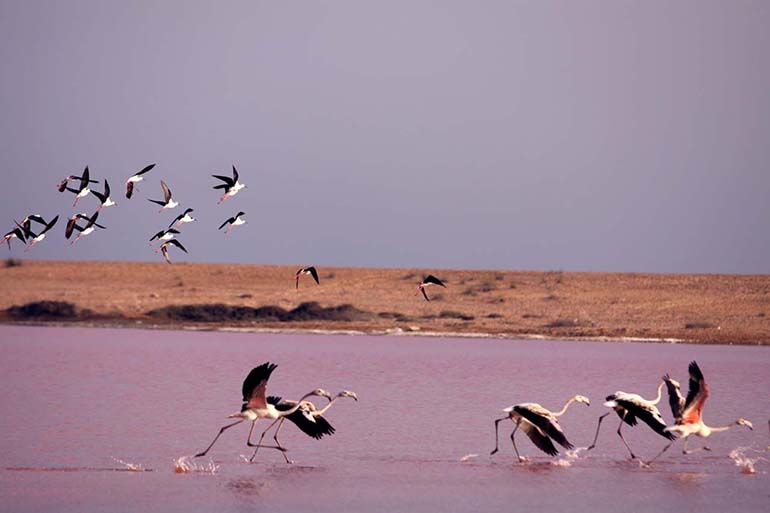
در جنوب استان و نهچندان دور از زاهدان، رود باهوکلات جریان دارد؛ رودی که از کوههای بیرک سرچشمه میگیرد و پس از گذر از مناطق دشتی و بیابانی به دریای عمان میریزد. این رودخانه زیستگاه گونههای ارزشمندی چون تمساح پوزهکوتاه ایرانی (گاندو) است و نقش حیاتی در تأمین آب کشاورزی و معیشت مردم بومی دارد.
باوجود اهمیت حیاتی این رود، پروژههای توسعهای بدون ارزیابی محیطزیستی، برداشتهای بیرویه از منابع آب، و بیتوجهی به مدیریت حوضه آبریز، تعادل اکولوژیک منطقه را شکننده کرده است. حضور تیمهای تبلیغاتی و ورزشی در منطقه، اگر با رویکرد مسئولانه و سازگار با محیط زیست همراه نباشد، میتواند به تشدید فشار بر این اکوسیستم منجر شود.
چالشهای امنیتی و اجتماعی
زاهدان در کنار این چالشهای محیطزیستی، با مشکلات امنیتی نیز روبهروست. حمله تروریستی به ساختمان دادگستری زاهدان که در نزدیکی دهکده المپیک رخ داد، نمونهای تلخ از آسیبپذیری منطقه است. در این حادثه، مهاجمان مسلح با تیراندازی موجب شهادت شش نفر، از جمله یک مادر و نوزاد چندماهه، و مجروح شدن ۲۲ نفر شدند. نیروهای امنیتی با وجود کمبود تجهیزات حفاظتی، با شجاعت توانستند مهاجمان را پیش از استفاده از جلیقههای انفجاری از پا درآورند.
این اتفاق، همانند شهادت فرمانده پایگاه بسیج زاهدان در گذشته، یادآور این حقیقت است که هممرزی با پاکستان و قرار داشتن در مسیر شبکههای تروریستی، نیاز به توجه ویژه امنیتی و توسعهای را دوچندان میکند.
تحلیل
زاهدان و مناطق پیرامونش، از جمله حوضه رود باهوکلات، تنها با ترکیبی از توسعه پایدار، مدیریت منابع طبیعی، و تقویت زیرساختهای امنیتی و اجتماعی میتوانند از چرخه محرومیت خارج شوند. بیتوجهی به این مؤلفهها، مانند ترجیح منافع کوتاهمدت بر منافع بلندمدت، سبب میشود فرصتهای توسعه همچون ابری گذرا از دست برود.
نتیجهگیری
ایران با پیشینهای هزارانساله، همیشه میزبان اقوام و فرهنگهای گوناگون بوده است. بلوچها، همچون دیگر اقوام این سرزمین، نه محصول تقسیمات استعماری، بلکه ریشهدار در جغرافیا و تاریخ ایراناند. برای حفظ این میراث و تأمین آیندهای پایدار، باید هم به رود باهوکلات و محیط زیست آن توجه شود، هم به امنیت زاهدان، و هم به عدالت در توزیع منابع و فرصتها. تنها با چنین رویکردی میتوان از رنگهای اصیل فرهنگ بلوچ پاسداری کرد و غبار محرومیت را از چهره این منطقه زدود.
___________________
Zahedan and Bahuklat
Where are the budgets and prioritization of Sistan and Baluchestan issues going?
Zahedan; The Cultural Heart and Challenges of Southeastern Iran
Zahedan Covered Bazaar - A Journey in Color and Art
Introduction
Zahedan, the capital of Sistan and Baluchestan Province, is not only known as a strategic point on the southeastern borders of Iran, but also the beating heart of Baloch culture and tradition. Its historic covered bazaar, colorful and hand-embroidered Baloch clothes, and the hospitality of its people are a manifestation of the authenticity of this land. Meanwhile, Zahedan's "Olympic Village" and its football field have become hosts to sports teams from different regions.
But behind this colorful image, there is also a bitter reality: the gradual destruction of the environment and the lack of attention to natural capital that could threaten the future of the region.
Bahuklat River; The lifeblood of southeastern Iran
Tourist attractions of Sistan and Baluchestan
In the south of the province and not far from Zahedan, flows the Bahuklat River; a river that originates in the Birak Mountains and flows into the Sea of Oman after passing through plains and desert areas. This river is the habitat of valuable species such as the Iranian short-nosed crocodile (gandu) and plays a vital role in providing water for agriculture and the livelihood of the local people.
Despite the vital importance of this river, development projects without environmental assessment, excessive extraction of water resources, and disregard for watershed management have made the ecological balance of the region fragile. The presence of advertising and sports teams in the region, if not accompanied by a responsible and environmentally friendly approach, can lead to increased pressure on this ecosystem.
Security and social challenges
In addition to these environmental challenges, Zahedan also faces security problems. The terrorist attack on the Zahedan Justice Building near the Olympic Village is a stark example of the region’s vulnerability. In this incident, armed attackers shot and killed six people, including a mother and a few-month-old baby, and injured 22 others. Despite the lack of protective equipment, security forces bravely managed to eliminate the attackers before they could use explosive vests.
This incident, like the martyrdom of the commander of the Zahedan Basij base in the past, is a reminder of the fact that bordering Pakistan and being on the path of terrorist networks doubles the need for special security and development attention.
Analysis
Zahedan and its surrounding areas, including the Bahuklat River Basin, can only escape the cycle of deprivation through a combination of sustainable development, natural resource management, and strengthening security and social infrastructure. Ignoring these components, such as prioritizing short-term benefits over long-term benefits, will cause development opportunities to pass like a fleeting cloud.
Conclusion
With a history spanning thousands of years, Iran has always been home to diverse ethnic groups and cultures. The Baloch, like other ethnic groups in this land, are not the product of colonial divisions, but are rooted in the geography and history of Iran. To preserve this heritage and ensure a sustainable future, attention must be paid to the Bahukalat River and its environment, to the security of Zahedan, and to justice in the distribution of resources and opportunities. Only with such an approach can the authentic colors of Baloch culture be preserved and the dust of deprivation removed from the face of this region.