
Kashafrud river - رودخانه کشف رود
اینجا درباره رودخانه کشفرود ایران مینویسم
Kashafrud river - رودخانه کشف رود
اینجا درباره رودخانه کشفرود ایران مینویسمدرباره من
 از اونهام که می گم آدم بایست حرف خودشو بزنه، اما یاد گرفتم که هر حرفی رو تو جاش بزنم، اینجا، هرچی می خوام رو می گم
ادامه...
از اونهام که می گم آدم بایست حرف خودشو بزنه، اما یاد گرفتم که هر حرفی رو تو جاش بزنم، اینجا، هرچی می خوام رو می گم
ادامه...
اسفند در کشفرود و خواص آن
آخرین مطلبی که درباره پوشش گیاهی کشفرود نوشتم، اینجا درباره گندواش، درمنه وحشی از مازندران تا شهر توس بود. واقعیت این است که کشفرود با طول 294 کیلومتر منطقه وسیعی را در برمیگیرد که پوشش گیاهی1 آن دامنه وسیعی از گیاهان را در برمیگیرد. یکی از گیاهان بسیار معروف منطقه کشفرود در خراسان رضوی، اسپند است. اسپند دارای خواص دارویی و ضد سرطانی فراوان است.
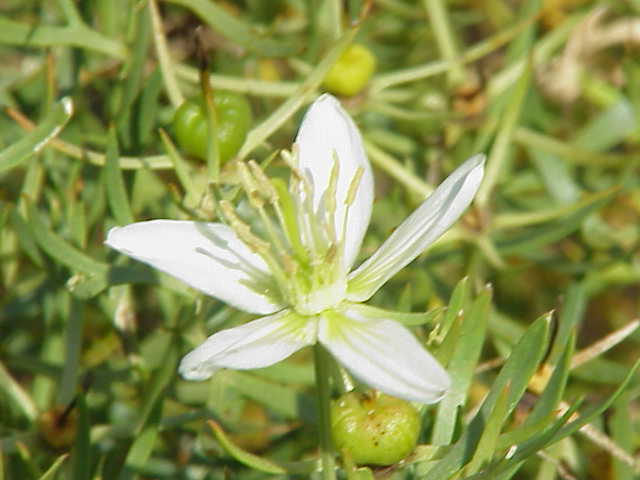
اسپند گلی سفید رنگ با کلاله زرد دارد. این گیاه از همان ابتدا در فصل بهار مورد توجه زنبورهای عسل است و از نیمه تیر ماه قابل برداشت است. آن را خشک میکنند و به صورت های مختلف استعمال میکنند. این گیاه به دلیل جایگاهی که دارد مورد توجه صنایع دارویی، و غذایی است. همچنین از این گیاه در صنایع دستی و تولید آویز دیوارکوب، آویز ماشین، تزئینات مجالس و غیره به دلیل خاصیت آروماتیک ضدعفونی کننده و دارویی استفاده میشود.
اسپند گیاهی است که در طب سنتی و مکمل خواص مختلفی برای آن ذکر شده است. از جمله خواص آن میتوان به ضدعفونیکنندگی، کمک به درمان مشکلات تنفسی، تسکین دردهای عضلانی و عصبی، درمان عفونتهای انگلی، درمان مشکلات پوستی و حساسیتها، دفع آفات و حتی اثرات ضد سرطانی اشاره کرد. با این حال، مصرف اسفند باید با احتیاط و زیر نظر پزشک یا متخصص طب سنتی انجام شود، زیرا مصرف بیش از حد آن میتواند عوارض جانبی به همراه داشته باشد.
خواص اسفند:
• ضدعفونیکننده:
اسفند به دلیل خاصیت ضد میکروبی و ضد عفونیکنندگی خود، در گذشته برای ضدعفونی کردن محیط و دفع آفات و همچنین دفع انرژیهای منفی استفاده میشده است.
• درمان مشکلات تنفسی:
اسفند میتواند به بهبود مشکلات تنفسی و تسکین سرفههای خشک کمک کند.
• تسکین دردهای عضلانی و عصبی:
مصرف اسفند میتواند در تسکین دردهای عضلانی و عصبی و همچنین کاهش التهابات موثر باشد.
• درمان عفونتهای انگلی:
اسفند در طب سنتی برای درمان عفونتهای انگلی به ویژه در دستگاه گوارش مورد استفاده قرار میگیرد.
• بهبود مشکلات پوستی:
اسفند میتواند در درمان برخی از مشکلات پوستی مانند اگزما و خارش مؤثر باشد.
• تقویت معده:
اسپند به تقویت معده و بهبود عملکرد سیستم گوارش کمک میکند.
• کاهش قند خون:
برخی از مطالعات نشان دادهاند که اسفند میتواند در کاهش قند خون مؤثر باشد.
• افزایش شیر مادر:
در طب سنتی از اسفند برای افزایش شیر مادر استفاده میشود.
• تنظیم قاعدگی:
اسفند میتواند در تنظیم قاعدگی و کاهش دردهای قاعدگی مؤثر باشد.
• ضد افسردگی و اضطراب:
اسفند در کاهش افسردگی و اضطراب نیز کاربرد دارد.
• افزایش شجاعت:
در طب سنتی اعتقاد بر این است که اسفند شجاعت را افزایش میدهد.
مضرات اسفند:
• سمی بودن:
اسفند حاوی سم آلکالوئیدهای بتاکاربولین است و مصرف زیاد آن میتواند مسمومیت ایجاد کند.
• عوارض گوارشی:
مصرف بیش از حد اسفند میتواند باعث تهوع، استفراغ و مشکلات گوارشی شود.
• افزایش فشار خون:
مصرف زیاد اسفند ممکن است باعث افزایش فشار خون شود.
• تداخل با داروها:
اسفند ممکن است با برخی از داروها تداخل داشته باشد و اثربخشی آنها را کاهش دهد یا عوارض جانبی آنها را افزایش دهد.
• مضر برای زنان باردار:
مصرف اسفند در دوران بارداری توصیه نمیشود زیرا ممکن است خطر سقط جنین را افزایش دهد.
• آسیب به سیستم عصبی:
مصرف بیش از حد اسفند ممکن است به سیستم عصبی آسیب برساند.
توصیهها:
• در صورت تمایل به استفاده از اسفند برای درمان، حتماً با یک متخصص طب سنتی مشورت کنید.
• از مصرف خودسرانه و بیش از حد اسفند خودداری کنید.
• در صورت بروز هرگونه عوارض جانبی پس از مصرف اسفند، فوراً مصرف آن را قطع کنید و به پزشک مراجعه کنید.
• بهتر است اسفند را همراه با مصلح آن مانند سرکه انگبین یا عرق کاسنی و شاهتره مصرف کنید تا عوارض آن کاهش یابد.
• مصرف اسفند به صورت دود کردن نیز توصیه میشود و میتواند در ضدعفونی کردن محیط و دفع انرژیهای منفی مؤثر باشد.
___________________
1- در این وبلاگ از پوشش گیاهی کشفرود چند مطلب منتشر کرده ایم، که با جستجو "پوشش گیاهی" نیز میتوانید مطالب مرتبط با آن را در یک لیست مشاهده کنید.
__________________________________________________________
The last article I wrote about the vegetation of Kashafrud, here it was about the wild wormwood, from Mazandaran to Toos (Tus) city. The fact is that Kashfrud covers a vast area with a length of 290 kilometers, and its vegetation1 covers a wide range of plants. One of the most famous plants of the Kashafrud region in Khorasan Razavi is aspen. Aspen has many medicinal and anti-cancer properties.
Aspen has white flowers with yellow stigmas. This plant is of interest to honeybees from the very beginning in the spring and can be harvested from mid-July. It is dried and used in various forms. This plant is of interest to the pharmaceutical and food industries due to its position. This plant is also used in handicrafts and the production of wall hangings, car hangings, party decorations, etc. due to its aromatic, disinfectant and medicinal properties.
Aspen is a plant that has been mentioned for various properties in traditional and complementary medicine. Its properties include disinfecting, helping to treat respiratory problems, relieving muscle and nerve pain, treating parasitic infections, treating skin problems and allergies, repelling pests, and even anti-cancer effects. However, Harmal should be consumed with caution and under the supervision of a doctor or traditional medicine specialist, because excessive consumption can have side effects.
Esfand (Harmal) Properties:
• Disinfectant:
Espand was used in the past to disinfect the environment and repel pests, as well as to repel negative energies, due to its antimicrobial and disinfectant properties.
• Treatment of respiratory problems:
Harmal can help improve respiratory problems and relieve dry coughs.
• Relief of muscle and nerve pain:
Consuming Harmal can be effective in relieving muscle and nerve pain, as well as reducing inflammation.
• Treatment of parasitic infections:
In traditional medicine, Harmal is used to treat parasitic infections, especially in the digestive tract.
• Improving skin problems:
Harmal can be effective in treating some skin problems such as eczema and itching.
• Strengthening the stomach:
Harmal helps strengthen the stomach and improve the functioning of the digestive system.
• Reducing blood sugar:
Some studies have shown that Harmal can be effective in reducing blood sugar.
• Increasing breast milk:
In traditional medicine, Harmal is used to increase breast milk.
• Regulating menstruation:
Harmal can be effective in regulating menstruation and reducing menstrual pain.
• Antidepressant and anxiety:
Harmal is also used to reduce depression and anxiety.
• Increasing courage:
In traditional medicine, it is believed that Harmal increases courage.
Disadvantages of Harmal :
• Toxicity:
Harmal contains beta-carboline alkaloids, and excessive consumption can cause poisoning.
• Gastrointestinal side effects:
Excessive consumption of Harmal can cause nausea, vomiting, and digestive problems.
• Increased blood pressure:
Excessive consumption of Harmal may cause increased blood pressure.
• Drug interactions:
Harmal may interact with some medications and reduce their effectiveness or increase their side effects.
• Harmful to pregnant women:
Consumption of Harmal is not recommended during pregnancy as it may increase the risk of miscarriage.
• Damage to the nervous system:
Excessive consumption of Harmal may damage the nervous system.
Recommendations:
• If you wish to use Harmal for treatment, be sure to consult a traditional medicine specialist.
• Avoid excessive and arbitrary consumption of Harmal .
• If any side effects occur after consuming Harmal, stop using it immediately and see a doctor.
• It is better to consume Esfand with its remedy, such as ginger vinegar or chicory and fenugreek juice, to reduce its side effects.
• Consuming Esfand in the form of smoke is also recommended and can be effective in disinfecting the environment and dispelling negative energies.
___________________
1- In this blog, we have published several articles about the vegetation of Kashafrud, and by searching for "vegetation", you can also view related articles in a list.
خانه ای که در آن زندگی میکنیم
خونه قبلی یک جایی وسط شهر خیابان های نود ساله وقفی آستان قدس بودن که مثل مجتمع های کنار شهر یکنواخت ساخته شده بودند. از آنجا که زمین آن خانه ها وقفی بود برج نمیشدند و آخرین جایی بودند که شاخه های آویزان گلهای روی دیوارشان را میشد ببینی. خیلی نقاط دیگه در اطراف به دلیل وجود حرم و زائرپذیری تبدیل به هتل و مسافرخانه و محل اقامتی شده بود.
دانشگاه که میرفتم این خانه ها را به مقصد عبور از منطقه وسیعی زمین بایر رد میکردم تا برسم قاسم آباد. نمره هام بیست بود و زندگیم عبور پر تکرار این مسیر بود. گاهی زیر سایه درختان همسایه کمی در خیابان توقف داشتیم و آن را به سبب وجودشان متعلق به خود میدانستیم. زمان برای ما متوقف بود و با وجود پادگان لشگر ۷۷ خراسان در نزدیکی حس تعلق به آن بخش از تاریخ کشورمان هم داشتیم که زمانی به خاک ایران تجاوز شده بود و در جنگی نابرابر هشت سال جنگیدیم تا خاک خود را حفظ کنیم. در جنگ تحمیلی ۸ ساله ایران-عراق و حتی پس از آن برای مدافعین حرم ما از همین لشگر ۷۷ اعزام به جبهه های نبرد داشتیم. یک چند مسجد و حسینیه هم آنجا بود که شاهد بودیم نیروی اعزامی میشدند و گاهی هم برنمیگشتند.
زمان گذشت و نقش مساجد و پادگان کمرنگ تر شد. پادگان که دیگر تبدیل به پارک شهرداری میشد و مساجد هم پولی برای ارایه خدمات به جوانان و نوجوانان نداشت. تشریفات مجالس میپذیرفتند و نهایتش خانه خادمی بودند که اون هم امین مسجد و از شهر دیگری ساکن شده بود. وجود یکی دو بچه خادم احساس خوبی بعنوان جایگزین سالها عدم ازدواج جوانان و بچه دار نشدن آنها در شهر میداد و همین رضایت آنها را برآورده میکرد.
گذشت و اومدیم جای دیگر از شهر، آنجا که باید خبری از دود و دم شهر نمیبود و در عوض رودخانه کشفرود اطراف را سرسبز میکرد، که البته هم بی شباهت به خانه قبلی نبود. به هر حال هنوز در یک شهر زندگی میکردیم. با این تفاوت که من دیگر از زمین های بایر بین خانه و دانشگاه عبور نمیکردم. شاهد بزرگ شدن و مدرسه رفتن بچه های خادم های مساجد نبودم و تبدیل شدن پادگان به پارک را نمیدیدم.
حالا کنار شهر زندگی کمی فرق میکند. مثلا اثر پدیده های تغییر اقلیم و آب و هوایی بیشتره. به اندازه همان مسیر خیابان انتهایی خونه های وقفی آستان قدس وسط شهر که طی کنی با پدیده تند باد ها مواجه میشوی. انگار یک تیکه از زمین میخواسته مثلث برمودا بشه که بخاطر خشکی نشده و فقط کمی تندبادهایی سر ساعت مشخص وجود قوانین الهی رو گوشزد میکنند.
دیگه اینکه هر از گاهی دغدغه شستن تانکرها را داری. اینجا بیشتر خاکش رسی هست. یه وقت نگاه میکنی مثل کتری یک لایه قطور رسی سفالین چسبیده به تانکر رو باید جدا کنی. هر تکه مثل آجری دیواره تانکر را با طبیعت ساخته.
بجز ساعاتی از شب که موش دندان نقره ای پول داده ماها رو بی خواب کنند باقی جریانات برای من تکراریه. اینجا آب دزدی و بزن بکوب های شبانه بخشی از تغییرات سیاسی و جغرافیایی منطقه است که شاهدیم برای همین کارهاشون پول خوبی هم میگیرند. گاهی عمدی و حتی جلوی دوربین های محافظتی در اندک آب رودخانه فاضلاب خالی میکنند و میگریزند. خانه و مسکن در بستر رودخانه میزنند، رود را بعنوان تقاطع جاده ای در نقشه نشان میدهند و آن را در جریانات به کمک رادیو صدای آمریکا سیاه میکنند. قاچاقچیان از این دسته عوامل هستند. سگهای ولگرد هم بخشی از پازل باندهای قاچاق در منطقه شده. آنها در سیاه نمایی خود از هر مبارزی برای حفظ و احیای رودخانه دیوی در جامعه میسازند و با آن میجنگند. در این جنگ از هیچ ابزاری فروگذار نمیکنند، خواه اقتصادی باشد، خواه سیاسی و یا حتی نظامی! با این وجود، خیابان های اطراف رودخانه، مجتمعی ساخته شده اند و من هم مسیر بیست دقیقه ای رو از جایی که هستم تا خیابان انتهایی مثل برق طی میکنم. هر کسی مشغول کاری هست و هر جایی یک اقتصادی میچرخه. با اینکه زمین ها وقفی نیستند ولی عامل دیگه ای مانع از برج سازی در منطقه شده و اون هم طرح تفصیلیه. البته که من با این شرایط شتابزده در تغییر هویت و فرهنگ به نفع موش دندان نقره ای با به تعویق افتادن ارائه طرح تفصیلی موافقم.
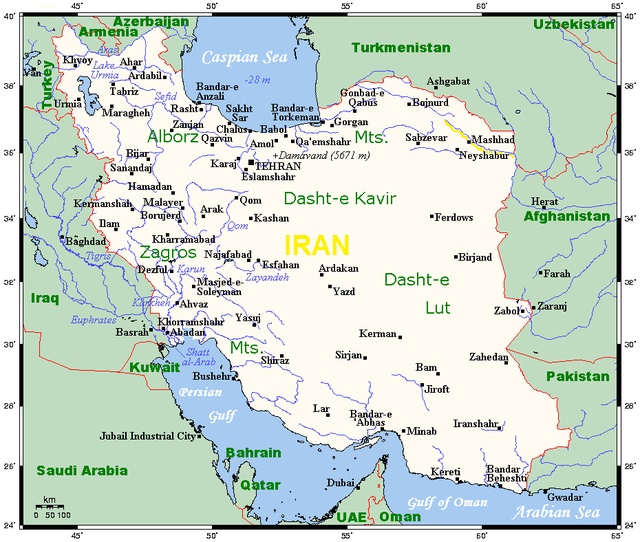
نکته بعدی کشفرود1 در سایه دهه ها بی توجهی مسئولین هست. اسمش رو که میارم، با اینکه چند خیابان آنطرف تر جای خانه ماست، ولی به دلیل فصلی شدن رودخانه و بی آبی های اخیر در حال مورد غفلت واقع شدن، حذف از نقشه ها و برنامه های کشوری و منطقه ای است. با توجه به توپ و تانک دندان نقره ای عزیز و جنگ ۱۲ روزه که در آن فرمانده های قرارگاه سازندگی خاتم الانبیا و سایر دانشمندان رده بالا را شهید کرد، بحران های اقتصادی که بوجود آورد برآورد درستی از چشم انداز بهبود وضعیت موجود نخواهیم داشت.
_____________
1- در تصویر نقشه ایران و همسایگان را با نام های انگلیسی و کشفرود را با هایلایت زرد میبینید. در این نقشه به جز رودهای ایران، رودهای همسایه های آن نیز آمده است.
______________________________________________________
The previous house was somewhere in the middle of the city, on the ninety-year-old streets of the Astan Quds endowment, which were built uniformly like the complexes on the outskirts of the city. Since the land of those houses was endowment, they did not have towers and were the last place where you could see the hanging branches of flowers on their walls. Many other places around had been turned into hotels, inns and residences due to the presence of the shrine and pilgrimage. When I was going to university, I would pass these houses on my way to cross a vast area of wasteland to reach Qasem Abad. My score was twenty and my life was a repeated crossing of this route. Sometimes we would stop for a while on the street under the shade of neighboring trees and we considered it ours because of their existence. Time had stopped for us and with the 77th Division nearby, we also felt a sense of belonging to that part of our country’s history when Iranian soil was once invaded and we fought an unequal war for eight years to preserve our soil. During the 8-year imposed Iran-Iraq war and even after that, we had the 77th Division dispatched to the battlefronts for the defenders of the shrine. There were also a few mosques and Hussainiyahs where we witnessed troops being dispatched and sometimes not returning.
Time passed and the role of mosques and barracks became less important. The barracks were now turned into municipal parks and mosques had no money to provide services to young people and teenagers. They accepted ceremonial ceremonies and ended up being the house of a servant who was also the caretaker of the mosque and had moved from another city. Having one or two servants' children felt good as a replacement for the years of young people not getting married and not having children in the city, and this satisfied them.
We passed and came to another part of the city, where there should have been no smoke and fumes from the city, and instead the Kashfarud River made the surroundings green, which of course was not unlike the previous house. Anyway, we still lived in a city. With the difference that I no longer crossed the wasteland between my house and the university. I didn't witness the children of the mosque servants growing up and going to school, and I didn't see the barracks being turned into parks.
Now, life is a little different in the city. For example, the effects of climate change and weather phenomena are greater. As long as you walk along the same street at the end of the endowment houses of the Holy Shrine in the middle of the city, you will encounter the phenomenon of strong winds. It's as if a piece of land wanted to become a Bermuda Triangle, but it didn't because of drought, and only a few strong winds at certain times remind us of the existence of divine laws.
Also, from time to time, you have to worry about washing the tankers. The soil here is mostly clay. Once you look at it, you have to remove a thick layer of clay stuck to the tanker, like a kettle. Each piece, like a brick, has built the tank wall with nature.
Except for the hours of the night when the silver-toothed mouse is paid to keep us awake, the rest of the events are repetitive for me. Here, water theft and nightly beatings are part of the political and geographical changes in the region, and we see that they are getting paid well for their work. Sometimes, intentionally and even in front of security cameras, they empty sewage into the small amount of river water and escape. They build houses and residences in the riverbed, show the river as a road intersection on the map, and blacken it in the news with the help of Voice of America. Smugglers are one of these agents. Stray dogs have also become part of the puzzle of smuggling gangs in the region. In their blackening of any fighter to preserve and restore the Dewey River in society, they fight against it. They spare no means in this war, be it economic, political, or even military! Nevertheless, the streets around the river have been built into a complex, and I travel the twenty-minute walk from where I am to the last street like lightning. Everyone is busy with work and an economy is spinning everywhere. Although the lands are not endowed, another factor has prevented the construction of the tower in the region, and that is the detailed plan. Of course, I agree with this hasty situation in changing the identity and culture in favor of the Silver Tooth Mouse by postponing the presentation of the detailed plan.
The next point is the discovery of the river in the shadow of decades of neglect by the authorities. I will mention its name, although it is a few streets away from our house, but due to the seasonality of the river and the recent droughts, it is being neglected, removed from national and regional maps and plans. Considering the beloved Silver Tooth cannon and tank and the 12-day war in which the commanders of the Khatam al-Anbia construction headquarters and other high-ranking scientists were martyred, the economic crises it caused, we will not have an accurate estimate of the prospects for improving the current situation.
_____________
1- In the image, you see a map of Iran and its neighbors with English names and Kashafrud highlighted in yellow. In addition to the rivers of Iran, this map also shows the rivers of its neighbors.
شاخص فرابنفش کشفرود
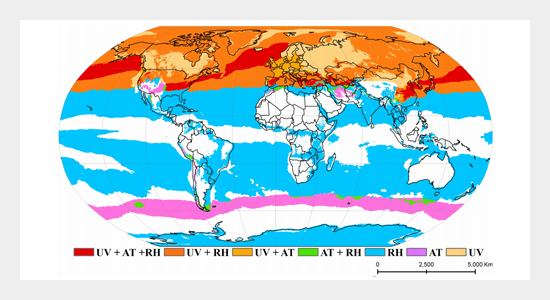
پارسال در ۱۸ مرداد شاخص فرابنفش ۱۱.۶ بوده، امروز در ۲۲ تیر شاخص فرابنفش از آن هم فراتر رفت: ۱۱.۷ شده
در آن زمان تمام رسانه ها اعلام کردند که به خاطر این شاخص از بیرون رفتن خودداری کنید و بعنوان یک پدیده عجیب این رکورد را ثبت کردند. امروز کسی اشاره ای به این موضوع نکرد. فقط گفتند توده هوای گرم این هفته وارد کشور میشه. اما آنچه که من شاهدش بودم با وجود رطوبت یکسان و بلکه کمی بیشتر نسبت به ۱۸ مرداد سال گذشته باز هم شاخص فرابنفش افزایش یافته بود.
شاخص فرابنفش به میزان سوزانندگی خورشید مربوط میشود و توصیه میشود عدد آن اگر از یازده بالاتر برود بیشتر از نیم ساعت زیر آفتاب قرار نگیریم. هر چند تحمل آن ده دقیقه هم نیست و پلاستیک را میسوزاند.
اروپا جنگل های وسیعی داشته که بر اثر این سوزانندگی خورشید در حال سوختن بوده، اما برای ایران وضع فرق میکند: از آنجا که سطح آبهای سطحی آن هر ساله رو به کاهش است بازسازی شرایط اقلیمی آن دیرتر صورت میگیرد. این زمان بر بودن بازسازی برای حاشیه شهرهایی مثل مشهد که ترافیک بیشتر و آب در دسترس کمتری دارند بیشتر است. برای مشهد آنچه که مسیر عبور کشفرود گفته میشود، جایی است که با در نظر گرفتن آن بعنوان کانال انتقال آب به مردم ساکن آن منطقه بی توجهی شده و ترافیک زیاد و آب در دسترس کمتری نسبت به وسط شهر دارند.
حال سوال این است که چطور با این شرایط شاخص فرابنفش خورشید را در سطح ملی کم کنیم؟
در اینجا من چند گزینه آورده ام:
1. کاهش انتشار آلایندهها و اثر گلخانهای:
کاهش انتشار گازهای گلخانهای:
برای کاهش اثر گلخانهای و تخریب لایه ازن، که هر دو بر میزان اشعه UV رسیده به سطح زمین تأثیر میگذارند، باید اقدامات جدی برای کاهش انتشار گازهای گلخانهای انجام شود.
2. استفاده از انرژیهای تجدیدپذیر:
جایگزینی انرژیهای فسیلی با انرژیهای تجدیدپذیر، مانند انرژی خورشیدی و بادی، میتواند به کاهش انتشار آلایندهها کمک کند.
3. افزایش بهرهوری انرژی:
افزایش بهرهوری انرژی در صنایع و ساختمانها نیز میتواند به کاهش انتشار آلایندهها کمک کند.
اگر عزم ملی جدی در این رابطه داشته باشیم میتوانیم وضعیت موجود را بهتر کنیم.
_____________________
Last year on August 8, the UV index was 11.6, today on July 22, the UV index exceeded that: 11.7
At that time, all the media announced that people should avoid going out because of this index and recorded this record as a strange phenomenon. Today, no one mentioned this issue. They only said that a warm air mass would enter the country this week. But what I witnessed was that despite the same humidity, and even a little more than on August 8 last year, the UV index still increased.
The UV index is related to the degree of sunburn, and it is recommended that if the number is higher than eleven, we should not be in the sun for more than half an hour. Although it cannot be tolerated for even ten minutes and it burns plastic.
Europe has vast forests that are burning due to this sunburn, but the situation is different for Iran: since its surface water level is decreasing every year, its climatic conditions are recovering later. This time-consuming recovery is greater for the outskirts of cities like Mashhad, which have more traffic and less available water. For Mashhad, what is called the Kashkard River crossing is a place that has been neglected by considering it as a water transfer channel for the people living in that area, and there is a lot of traffic and less available water than in the city center.
Now the question is, how do we reduce the sun's ultraviolet index at the national level under these conditions?
Here I have listed a few options:
1. Reducing pollutant emissions and the greenhouse effect:
Reducing greenhouse gas emissions:
To reduce the greenhouse effect and ozone layer depletion, both of which affect the amount of UV radiation reaching the earth's surface, serious measures must be taken to reduce greenhouse gas emissions.
2. Using renewable energy:
Replacing fossil fuels with renewable energy, such as solar and wind energy, can help reduce pollutant emissions.
3. Increasing energy efficiency:
Increasing energy efficiency in industries and buildings can also help reduce pollutant emissions.
If we have a serious national determination in this regard, we can improve the current situation.
کشف رود با هویت تاریخی توس
کشفرود رودخانه ای در شمال کلانشهر مشهد است که اعتبار تاریخی بسیاری دارد. این رودخانه از رشته کوههای هزارمسجد، بینالود و نزدیکی رودخانه اترک در قوچان سرچشمه میگیرد و در طول تاریخ تمدن توس در کنار آن شکل گرفته است.
این رودخانه لاک پشت های ریز بسیاری داشته که نام کشف رود از کشف به معنای لاک پشت گرفته شده و نام کاسه رود از بستر سفالین کاسه طوری این رودخانه است که بارها در شاهنامه به آن اشاره شده است.
این رودخانه که در مسیر خود از چناران، شیروان، گناباد و گلبهار رد میشود پل های تاریخی متعددی دارد که از آن جمله به پل فردوسی در کنار دروازه تاریخی تابران توس میتوان اشاره کرد.
کشفرود در کنار دروازه تاریخی توس و جایی که اکنون به پل فردوسی شهرت دارد، خاطرات متعددی از جنگ را در خود دارد. در شاهنامه فردوسی داستان فرود، بهرام و چند جنگ میان شاهان کیانی همه در شاهنامه و در کنار این رود با نام کاسه رود اتفاق افتاده است. فرود، پسر سیاوش، شخصیتی در شاهنامه با سرشتی پاک است که قربانی نابخردی و خود خواهی و عصبانیت بی مورد طوس سردار سپاه ایران (لشکریان کیخسرو برادر فرود و فرزند فرنگیس و سیاوش ) می شود. در زمان کیخسرو، طوس مسئولیت نگهداری از درفش کاویانی را بر عهده داشت. توس سپهسالار ایران جهت فتح اراضی توران به بهانه کین سیاوش باید از محلی میگذشت که فرود مرزبان آن کشور بود. در نبرد دیگری طوس سپس عازم جنگ با لشکر افراسیاب و تورانیان شد و در طی مسیر به دو راهی مشهور رسید که یکی بیابان بیآب و علف و دیگری خوش آب و هوا بود.
چنین گفت با طوس کامروز جنگ. نه بر آرزو کرد پور پشنگ. گمانم که امشب شبیخون
ز لشکر سواران که بودند گرد
گزین کرد شاه و به رستم سپرد
دگر بهره بگزید ز ایرانیان
که بندند بر تاختن بر میان
به طوس سپهدار داد آن گروه
بفرمود تا رفت بر سوی کوه
تهمتن سپه را به هامون کشید
سپهبد سوی کوه بیرون کشید
بفرمود تا دور بیرون شوند
چپ و راست هر دو به هامون شوند
طلایه مدارند و شمع و چراغ
یکی سوی دشت و یکی سوی راغ
بدان تا اگر سازد افرسیاب
بر او بر شبیخون به هنگام خواب
گر آید سپاه اندر آید ز پس
بماند نباشدش فریادرس
در حماسه های سروده شده در شاهنامه فردوسی آمده است که سپاه ایران در یکی از پادگان های نظامی خود در این منطقه نزدیک کشفرود اردو زده بود. مردم شهر که همه از جمله توران زخم خورده بودند و تعداد خیلی کمی در برج آن پناه گرفته بودند منتظر رسیدن ارتش ایران بودند. این برج در محله چهاربرج نزدیک کلاته برفی بود. ارتش ایران در کنار این رود و چهار برج نبردی سخت با متجاوزین داشته و تلاش میکند آنها را که تا حد خراسان در ایران پیشروی کرده بودند را عقب براند.
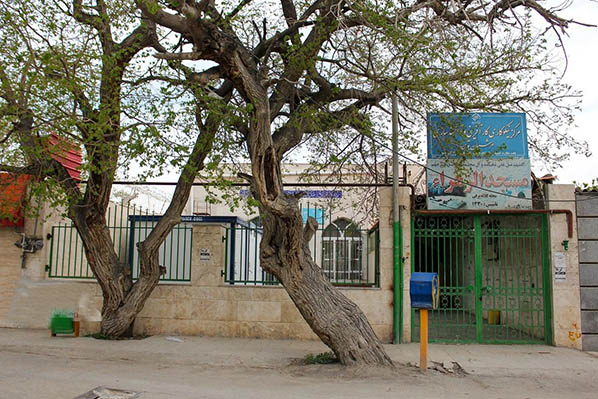
پس از آنزمان کل کلاتهبرفی ۶ خانوار داشت که داخل دژ زندگی میکردند. بعد از پیروزی انقلاب دوباره تابلو کلاتهبرفی نصب شد.
امروزه پل فردوسی دو محله کلاته برفی و چهار برج را در کنار خود جای داده است. برای اینکه بدانید کلاته برفی چه جور جایی است، باید سیکشاورز کلاته و سبزدستی آنها را جلو دیدگانتان بیاورید. کلاتهبرفی تا چشم کار میکرد فقط سرسبزی و درخت بود. برفی که در این منطقه می بارید، تا یک ماه بعد از عید نوروز هم آب نمیشد.
________________________
Kashafrud is a river in the north of Mashhad that has a lot of historical value. This river originates from the Hezarmasjid mountain range, Binalud and near the Atrak River in Quchan and was formed along it throughout the history of the Toos civilization.
This river has many small turtles, and the name Kashfrud is derived from Kashf, which means turtle, and the name Kaserud is from the clay bed of the Kaserud, which is mentioned many times in the Shahnameh.
This river, which passes through Chenaran, Shirvan, Gonabad and Golbahar, has many historical bridges, including the Ferdowsi Bridge next to the historical Tabran Toos Gate.
Kashfrud, next to the historical Toos Gate and where it is now known as the Ferdowsi Bridge, contains many memories of war. In Ferdowsi's Shahnameh, the story of Furud, Bahram and several wars between the Kiani kings all took place in the Shahnameh and along this river called Kaserud. Furud, the son of Siavash, is a character in the Shahnameh with a pure nature who falls victim to the foolishness, selfishness, and unnecessary anger of Tous, the commander of the Iranian army (Lashkarian Kaykhosro, brother of Furud and son of Farangis and Siavash). During the time of Kaykhosro, Tous was responsible for guarding the Kaviani flag. Tous, the commander of the Iranian army, had to pass through a place where Furud was the border guard of that country in order to conquer the lands of Turan, under the pretext of Siavash's grudge. In another battle, Tous then set out to fight the army of Afrasiab and the Turanians, and along the way he came to a famous crossroads, one of which was a desert without water and grass, and the other with good weather.
Thus he said to Tous, who was ready to fight. He did not wish for Pur Pshang. I think that tonight, the Shah selected the cavalry from the cavalry that were there and entrusted it to Rostam. He ordered the Iranians to stop attacking. He ordered the Sepahdar to go to the mountain. He ordered the Sepah to go out to the mountain. He ordered them to go out to the left and right. They were both to go to the plain and the other to the valley. They were given gold and candles and lamps. If Afarsiyab came to him while he was sleeping, the army would come in and stay. It is mentioned in the epics written in Ferdowsi's Shahnameh that the Iranian army had camped in one of its military barracks in this area near Kashfrud. The people of the city, all of whom, including Turan, were wounded and a very small number had taken refuge in its tower, were waiting for the Iranian army to arrive. This tower was in the Chahar Borj neighborhood near Kalata Barfi. The Iranian army fought a fierce battle with the invaders along this river and the four towers and is trying to push them back, who had advanced as far as Khorasan in Iran.
After that, the entire Kalateh Barfi had 6 families living inside the fortress. After the victory of the revolution, the Kalateh Barfi sign was installed again.
Today, the Ferdowsi Bridge houses two neighborhoods of Kalateh Barfi and the four towers next to it. To know what kind of place Kalateh Barfi is, you have to imagine thirty Kalateh farmers and their green hands. Kalateh Barfi was all greenery and trees as far as the eye could see. The snow that fell in this area did not melt until a month after Nowruz.
ایران فردوسی
جهان را ببخشید بر چار بهر / وزو نامزد کرد آبادشهر
نخستین خراسان ازو یاد کرد / دل نامداران بدو شاد کرد
دگر بهر زان بد قم و اصفهان / نهاد بزرگان و جای مهان
وزین بهره بود آذرآبادگان / که بخشش نهادند آزادگان
وز ارمینیه تا در اردبیل / بپیمود بینادل و بوم گیل
سیوم پارس و اهواز و مرز خزر / ز خاور ورا بود تا باخت
چهارم عراق آمد و بوم روم / چنین پادشاهی و آباد بوم
سرزمین پهناور ایران با جاهای دیدنی که شامل آثار تاریخی، مناظر طبیعی و فرهنگی متنوع است، به یکی از مقاصد گردشگری جذاب در جهان تبدیل شده است.
در ادامه نام پنج مکان باستانی ایران را برای شما می آوریم:
1- آرامگاه فردوسی
در نزدیکی کشفرود و دیوار باستانی تابران توس، ساختمانی در هفت طبقه که چهار طبقه آن بالای زمین قرار گرفته است. ساختمان مرتفعی است که چهار طرف آن مزین به اشعار شاهنامه فردوسی است. حکیم ابولقاسم فردوسی حماسه سرای بزرگ فارسی که بین حماسه سراهای بزرگ دنیا برترین مقام را دارد. گردشگران زیادی برای دیدار از او به شهر توس مشهد می آیند. برای ایرانیان، او و زبان فارسی در کنار هم قرار گرفته است. فردوسی به عنوان یکی از ستاره های درخشان فرهنگ ایران میدرخشد و همچنان حرف های زیادی برای گفتن دارد.
2-حرم امام رضا
از بناهای تاریخی مشهور ایران، حرم امام رضا علیه السلام است. این حرم که تشکیل شده است از رواق ها و صحن های بزرگ و زیبا مکان زیارتی و مذهبی محسوب میشود که پس از حکومت نادرشاه افشار در مشهد الرضا بنا نهاده شده است. موزه آستان قدس رضوی در نزدیکی کتابخانه بزرگ حرم بنا نهاده شده و شامل آثار باستانی اهدا شده میباشد.
3- تخت جمشید در ایران
داریوش کبیر پایتخت خود را در فارس تاسیس کرد. امپراتوری ایران در آن زمان منطقه پهناوری را شامل میشد که از جلگه های وسیع آسیای مرکزی تا کرانه های نیل و از رود سند هندوستان تا رود دانوب اروپا امتداد داشت.
تخت جمشید اثر معماری با شکوه در آن دوران است که ایرانیان به طبیعت، گل و درخت اهمیت و جایگاه ویژه ای قائل بودند. آثار گل و سرو در جای جای تخت جمشید نمود این جایگاه است. ایرانیان از آن زمان نوروز باستانی را که همزمان با آغاز بهار طبیعت است جشن میگیرند.
4- میدان نقش جهان در ایران
اصفهان در مرکز ایران، توسط شاه عباس اول در دوره صفویه پایتخت ایران شد. شاه عباس صفوی میدان نقش جهان را که در آن مسجدی برای برقراری ارتباط با مردم بنا نهاده شده بود تاسیس کرد. این میدان به شکل یک مربع مستطیل به درازای پانصد متر و پهنای صد و شصت و پنج متر ساخته شده و دو ردیف طاق ضربی آن را احاطه کرده است. در این میدان دسته های عزاداران حسینی حرکت میکردند و یا نمایش های نظامی و چوگان بازی انجام میگرفت. چهار بنای با شکوه مزین به نقاشی های دیواری و کاشی های لعابی درخشان به طور قرینه در اطراف میدان قرار دارند که عبارتند از مسجد امام خمینی، مسجد شیخ لطف الله، قصر عالی قاپو که به قصور دیگری با باغ های وسیع منتهی میگشت.
5- چغا زنبیل در ایران
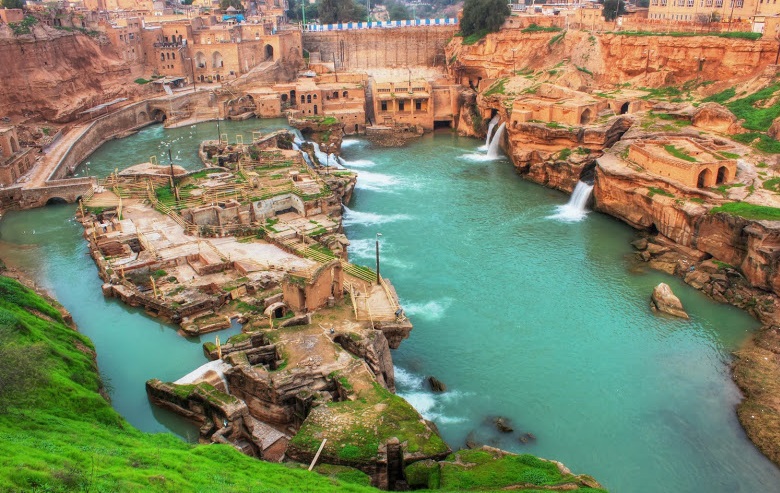
در شهر باستانی شوش، شهر باستانی چغازنبیل مانند آرامگاه دانیال نبی یکی از آثار باستانی ایران در حاشیه فلاتی که مشرف بر رودخانه آبدیز و جنگل پوشیده از درختان شامل گز قرار دارد. این شهر در درون سه حصار خشتی متحدالمرکز بنا گردیده است. دیوار اولی یک آب انبار بزرگ، سه کاخ، پنج مقبره زیرزمینی و یک معبد است. دیوار دوم هفت معبد و دیوار سوم را سه معبد دیگر در برگرفته اند.
_______________
Iran Ferdowsi
Forgive the world for four blessings / Wozu nominated Abadshahr
The first Khorasan mentioned him / The hearts of the famous people rejoiced in him
Other blessings were bad for Qom and Isfahan / The institution of the great and the place of honor
We were the wealth of Azarabadgan / Who gave the gift to the freedmen
Woz Armenia to Ardabil / He crossed the border between the hearts and the Giles
Sium Pars and Ahvaz and the Caspian border / From the east it was until it was lost
The fourth Iraq came and the Roman world / Such a kingdom and prosperous land
The vast land of Iran with its sights that include historical monuments, diverse natural and cultural landscapes has become one of the attractive tourist destinations in the world.
Below, we bring you the names of five ancient places in Iran:
1- Ferdowsi's tomb
Near Kashfarud and the ancient wall of Tabaran Toos, a seven-story building, four of which are above ground. It is a tall building whose four sides are decorated with poems from Ferdowsi's Shahnameh. Hakim Abul Qasem Ferdowsi is the great Persian epic poet who holds the highest position among the great epic poets of the world. Many tourists come to the city of Toos in Mashhad to visit him. For Iranians, he and the Persian language are placed side by side. Ferdowsi shines as one of the shining stars of Iranian culture and still has a lot to say.
2- Imam Reza Shrine
One of the famous historical monuments in Iran is the Imam Reza Shrine (peace be upon him). This shrine, which consists of large and beautiful porches and courtyards, is considered a pilgrimage and religious place that was built after the reign of Nader Shah Afshar in Mashhad-al-Reza. The Astan Quds Razavi Museum was built near the great library of the shrine and includes donated ancient artifacts.
3- Persepolis in Iran
Darius the Great established his capital in Fars. The Iranian Empire at that time covered a vast area that extended from the vast plains of Central Asia to the banks of the Nile and from the Indus River in India to the Danube River in Europe.
Persepolis is a magnificent architectural work from the era when Iranians attached great importance and importance to nature, flowers, and trees. The works of flowers and cypresses everywhere in Persepolis are a reflection of this place. Since then, Iranians have celebrated the ancient Nowruz, which coincides with the beginning of nature's spring.
4- Naqsh-e Jahan Square in Iran
Isfahan, in central Iran, was made the capital of Iran by Shah Abbas I during the Safavid era. Shah Abbas Safavi established Naqsh-e Jahan Square, where a mosque was built to communicate with the people. This square is built in the shape of a rectangular square, five hundred meters long and one hundred and sixty-five meters wide, and is surrounded by two rows of arched arches. Groups of mourners for Hussein would march in this square, or military displays and polo games would be held. Four magnificent buildings adorned with murals and brilliant glazed tiles are symmetrically arranged around the square: the Imam Khomeini Mosque, the Sheikh Lotfollah Mosque, and the Ali Qapu Palace, which led to another palace with extensive gardens.
5. Chogha Zanbil in Iran
In the ancient city of Susa, the ancient city of Chogha Zanbil, like the tomb of Daniel the Prophet, is one of Iran’s ancient monuments, located on the edge of a plateau overlooking the Abdiz River and a forest covered with trees including Gaz. The city is built within three concentric adobe enclosures. The first wall is a large cistern, three palaces, five underground tombs, and a temple. The second wall is surrounded by seven temples, and the third wall is surrounded by three more temples.