
Kashafrud river - رودخانه کشف رود
اینجا درباره رودخانه کشفرود ایران مینویسم
Kashafrud river - رودخانه کشف رود
اینجا درباره رودخانه کشفرود ایران مینویسمدرباره من
 از اونهام که می گم آدم بایست حرف خودشو بزنه، اما یاد گرفتم که هر حرفی رو تو جاش بزنم، اینجا، هرچی می خوام رو می گم
ادامه...
از اونهام که می گم آدم بایست حرف خودشو بزنه، اما یاد گرفتم که هر حرفی رو تو جاش بزنم، اینجا، هرچی می خوام رو می گم
ادامه...
تور زشک - قسمت یک
امین محمد رازی در کتاب هفت اقلیم می گوید: مشهد مقدس منقسم به 12 بلوک است که یکی از آن جاغرق است و ارغوان دره که جای بدان لطافت و شگرفی در تمام خراسان1 نیست. همچنین، قدمت شاندیز که یکی از آثار آن قلعه باستانی شاهان دژ (کهن دژ) بوده، به پیش از اسلام میرسد. شاندیز در اصل شاهان دژ، یعنی قلعه منسوب به شاهان بوده است که در کتاب افسانه قاجار نیز آمده است. براساس روایت تاریخی، شاهان دژ در سال 1265 هجری به توپ بسته شده است.
امروزه طرقبه-شاندیز شهرستان معروفی در بین گردشگران است که روستای زشک آن شهرت جهانی دارد. این روستا که در مسیر کشفرود قرار دارد، به سبب رودهای جاری و باغ های پونه و تمشک، شهرت پیدا کرده است.
از سمت بزرگراه پیامبر اعظم روستای زشک، سمت کوه های بینالود می افتد که این مزیت آن بر شهر باستانی توس است که آن سمت دیگر بزرگراه واقع شده است. این روستا در جنوب شرقی رشته کوه بینالود در سرچشمه دره شاندیز است و دارای چشم انداز زیبا و آب و هوای معتدل و باغهای میوه، یکی از مناطق ییلاقی مشهد است. از مزایای این روستا مسیر خاص کوهنوردی است و همچنین مکانی برای تفریح ورزشی است.
دیروز که با تور گردشگری به این روستا سفر کردیم، با وجود ییلاقات و سرچشمه های جاری، کم آبی در آن به وضوح به چشم میخورد. اگرچه این روستا مسیر کوهنوردی است و در میانه مسیر رودخانه سنگهای میکای آن چشم نواز است، ولی نمی توان منکر آن شد که اگر در شهر توس باران نبوده، اینجا هم باران نیامده است.
یک عکس از گوشه ای از مسیر میگذارم که نشان میدهد خاک شور شده و طوری تخریب شده که نیاز به کود دهی دارد:
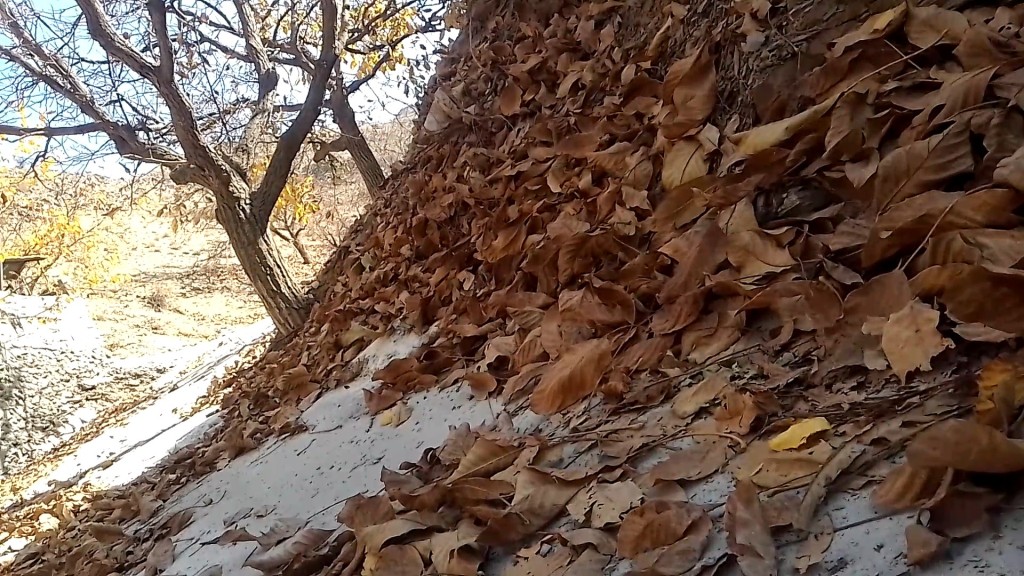
تصویر گوشه ای از یک کوه در روستای زشک را نشان میدهد. برگ ها کاملا آن را پوشانده است و به دلیل سرمای حاکم انتظار داریم آن زیر که سفید به نظر میرسد برف باشد، ولی برف نیست بلکه خاک سیلتی است.
تصویر نمونه خاک ها را ببینید:
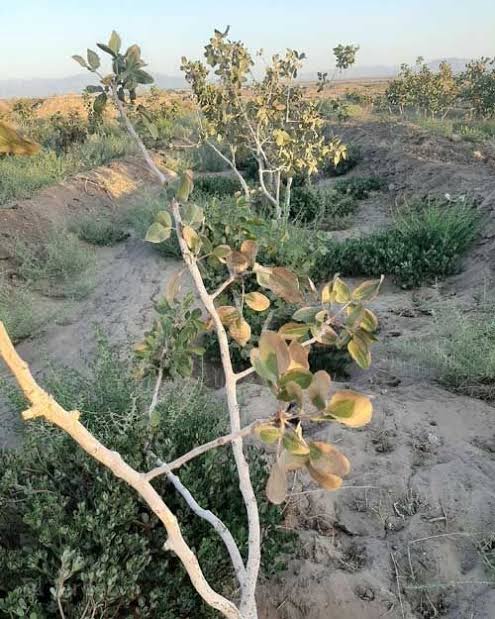
در هر دو تصویر بالا خاک مناسب کاشت نبوده و درختها ضعیف و مستعد بیماری ها هستند و گرفتار حشراتی مثل کرم ساقه خوار میشوند و در نهایت خشک میشوند. با یک بارش، سیلاب جاری میشود و آب صاف و زلالی روانه رودخانه نمیشود.
در تصویر زیر چند نمونه خاک کود دهی را مشاهده میکنید:
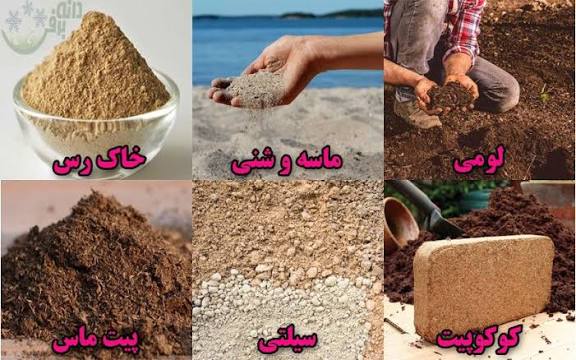
در تصویر بالا انواع خاک لومی، کوکوپیت، پیت ماس، سلیتی، خاک رس و ماسه و شنی را مشاهده میکنید. خاک مناسب برای کشاورزی و رشد و تغذیه اغلب گیاهان و درختان شامل حجم بیشتری کوکوپیت، لومی، و پیت ماس است. در تغذیه برخی گیاهان مثل زعفران، نسبت خاک رس بیشتر است. ماسه بادی هم برای کشت اولیه نهال ها استفاده میشود.
_________________
1- منظور از خراسان، همه خراسان های رضوی، شمالی و جنوبی است.
_________________________________
Amin Mohammad Razi says in the book Haft Aqlim (Seven Climate) : The holy Mashhad is divided into 12 blocks, one of which is submerged, and the purple of the valley, which has no place for its tenderness and wonder in all of Khorasan1. Also, the history of Shandiz, one of whose monuments was the ancient castle of Shahan Dej, dates back to before Islam. Shandiz was originally Shahan Dej, meaning a castle attributed to the kings, which is also mentioned in the book Afsaneh Qajar (Legend of Ghajar). According to historical narration, Shahan Dej was bombed in 1265 AH.
Today, Torqeba-Shandiz is a famous city among tourists, and its village of Zoshk is world famous. This village, which is located on the route of Kashafarud, has become famous for its flowing rivers and orchards of mint and raspberries.
From the direction of the Great Prophet Highway, the village of Zoshk faces the Binalud Mountains, which is its advantage over the ancient city of Toos, which is located on the other side of the highway. This village is located in the southeast of the Binalood mountain range at the source of the Shandiz Valley and has a beautiful landscape, a temperate climate, and fruit orchards. It is one of the summer areas of Mashhad. One of the advantages of this village is its special hiking trail and it is also a place for sports recreation.
Yesterday, when we traveled to this village on a tourist tour, despite the hiking trails and flowing springs, the water shortage was clearly visible. Although this village is a hiking trail and in the middle of the river path, its mica rocks are eye-catching, but it cannot be denied that if it has not rained in Tus city, it has not rained here either.
I will post a photo of a corner of the trail that shows that the soil has become salty and degraded to the point that it needs fertilization:
The photo shows a corner of a mountain in the village of Zoshk. Leaves have completely covered it, and due to the prevailing cold, we expect that what appears white underneath is snow, but it is not snow, but silty soil.
See sample soil images:
Saline soil - the leaves in the image are as dry as a needle
In both images above, the soil is not suitable for planting and the trees are weak and susceptible to diseases and are affected by stem-eating insects and eventually dry up. With a single rainfall, floods occur and clear water does not flow into the river.
In the image below, you can see some examples of fertilizing soil:
Types of loam, cocopeat, peat moss, silt, etc.
In the image above, you can see types of loam, cocopeat, peat moss, silt, clay, sand and sand. Soil suitable for agriculture and the growth and nutrition of most plants and trees contains a larger volume of cocopeat, loam, and peat moss. In the nutrition of some plants such as saffron, the proportion of clay is higher. Wind sand is also used for the initial cultivation of seedlings.
_________________
1- Khorasan refers to all of Razavi, Northern and Southern Khorasan.
جاذبه های دیدنی پل فردوسی کشفرود
«همه مرزها کرد بیتار و پود. همی رفت پیروز تا کاسهرود. بدان مرز لشکر فرود آورید. زمین گشت زان خیمهها ناپدید. خبر شد بترکان کز ایران سپاه. سوی کاسه رود اندر آمد به راه»
«فردوسی»
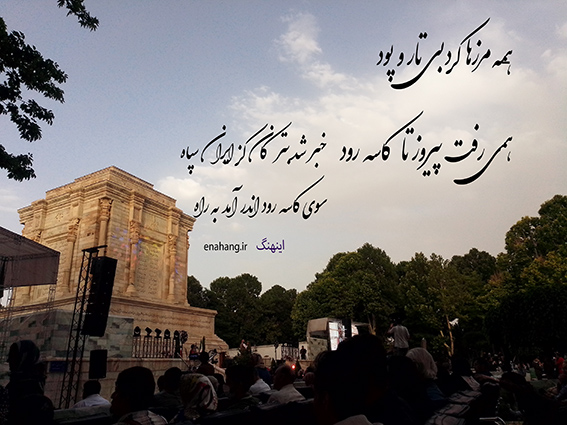
محله چهاربرج با فاصله از الماس شرق که در نزدیکی خین عرب قرار دارد، هر دو در مسیر کشفرود قرار دارند. الماس شرق، از نظر ساخت مدرن و به روز محسوب میشود و محله چهاربرج، بخش تاریخی شهر مشهد است.
محله چهاربرج، جایی برای زیستن
محله چهاربرج، زمانی با عنوان روستای چهار برج شهر باستانی توس شناخته میشده است. از دیرباز، توت خشک آن در کنار قیسی، هنگامی که کشفرود در مسیر جاده ابریشم شناخته میشده، شهرت جهانی داشته است.
_1ocw.jpg)
محوطه 360 هکتاری شهر توس در فهرست آثار ملی ایران به ثبت رسیده است. موزه آرامگاه فردسی آن متشکل از چهار قسمت شامل قطعات سفالی دوره اسلام و قبل از آن، سکه های طلا و نقره دوره اسلامی، و آثار کشف شده شهر باستانی توس است.
_506j.jpg)
آثار باستانی این منطقه، مخصوصا کهن دژ، پس از چند صد سال هنوز به جای مانده است. در کنار این محوطه روستاهای بزرگی جمع شده اند که باغات آنها در کنار کشفرود از اهمیت بالایی برخوردارند. در کنار این محوطه بازاری شکل گرفته است که در آن ها محصولات باغی و روستایی به فروش میرسد. در روستاهای اطراف روی تولید صنایع مرتبط با گریپ فروت، نارنگی (پرک پرتقال، پرک نارنگی)، روغن، پوست پرتقال، پوره سیب، پوره کیوی، پوره هلو و رب گوجه فرنگی به صورت فله ای فعالیت می کنند که خصوصا در بازار میوه و تره بار از سمت آرامگاه فردوسی دیده میشوند.
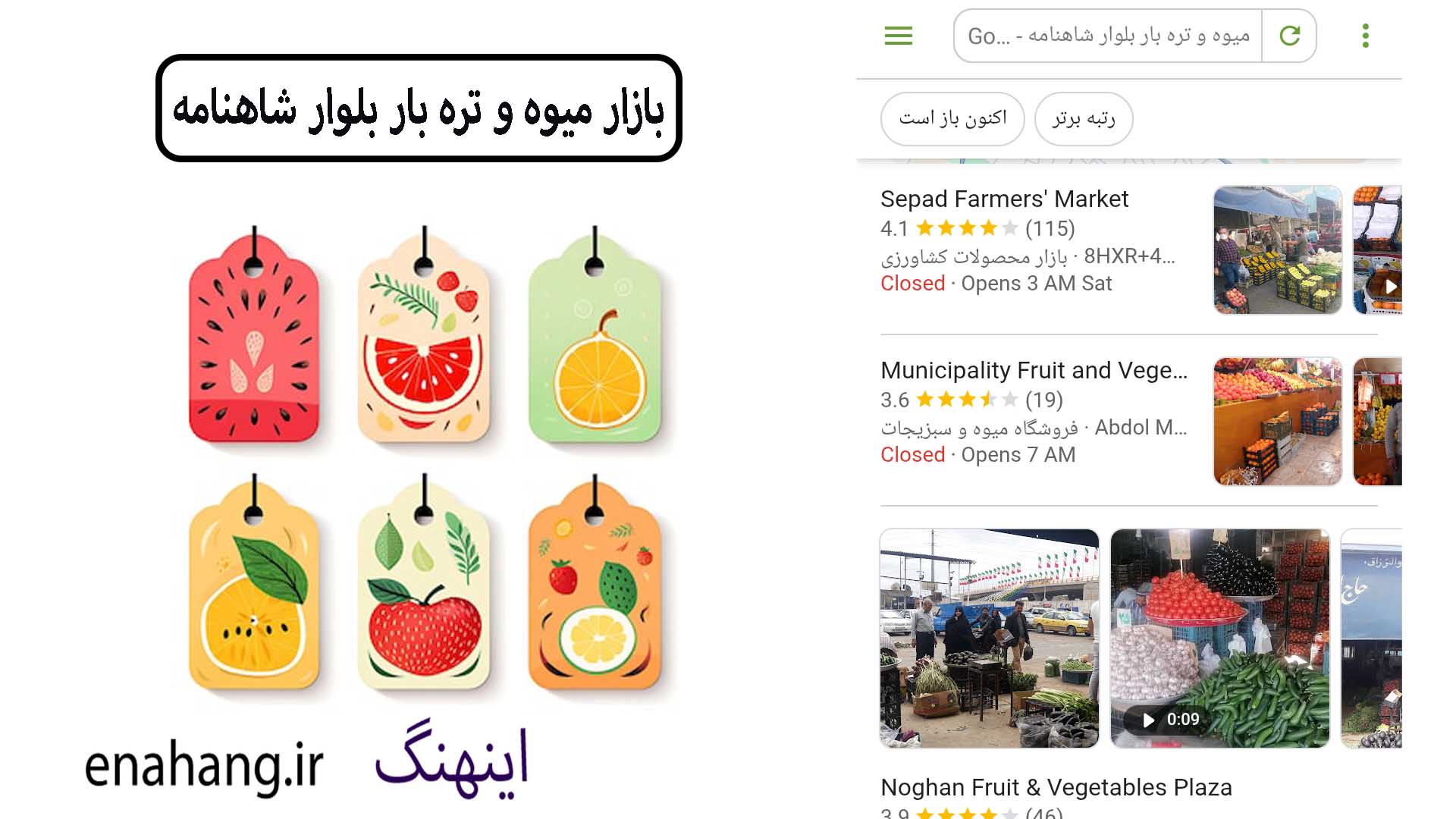
ویدئو بازار میوه تره بار بلوار شاهنامه را از اینجا میتوانید دانلود کنید.
آثاری از دیوار تابران توس در کناره کشفرود، جایی که پل فردوسی در آن قرار دارد مشاهده میشود. دیوار تاریخی توس که به نام حصار کهن دژ تابران توس نیز شناخته میشود، بقایای دیوار شهر باستانی توس است. این دیوار در دورههای مختلف تاریخی، از جمله ساسانیان و بعد از آن در دوره سلجوقیان مرمت شده است.
بخشی از این دیوار ستونی آجری است که نگاهی به آن بیندازیم: ستون آجری ساده بدون گچ کاری که تزئین کنار رودخانه را تا کنون در بر داشته است.
پل فردوسی در مسیر پیشرفت
خود پل فردوسی قدمت تاریخی بالایی دارد. آن را حدود ۵۰ سال پیش به صورت بتنی بازسازی کردند که بین دیواره های آجری باستانی کشفرود قرار میگیرد. پس از آن، در دهه نود شمسی مسابقه ای معماری برای بهبود ساختاری پل فردوسی و بوم پارک کشفرود در آن نزدیکی برگزار کردند که بین دانشجویان دانشگاه های سراسر کشور برگزار شد و جوایزی نیز اهدا شده است.
امروز در مسیر این بخش از رودخانه لوله گذاری های بزرگی شده است که پساب از پرکندآباد تا پل فردوسی را برای آبیاری فضای سبز بوم پارک کنار پل و منطقه شامل چهاربرج و کلاته برفی برعهده میگیرد. این مناطق شامل آثار باستانی و طبیعی حساسی هستند که دژ و داستان شاهنامه فردوسی از آن ها ریشه گرفته است و امروزه شامل موزه های طبیعی و به روزی در منطقه محسوب میشوند. بنای هارونیه با فاصله کمی از موزه آرامگاه فردوسی و پارک ژوراسیک قرار گرفته است که با چندین ایستگاه اتوبوس که در آن نزدیکی است، در دسترس هستند.
بوم پارک کشفرود
بخش سبز منطقه را برای تنفس برعهده میگیرد و مکانیابی آن کنار همین پل فردوسی در نظر گرفته شده است. بوم پارک را بویژه برای راحتی پرندگان بومی منطقه و پرندگان مهاجر عبوری طراحی کردهاند ، طوری که اردک ها بتوانند از آب آن استفاده کنند. کشفرود سالانه پذیرای پرندگان متنوعی از نقاط مختلف جهان است که پل فردوسی و جاذبه های طبیعی اطراف آن را از ظرفیت گردشگری بالایی برخوردار کرده است.
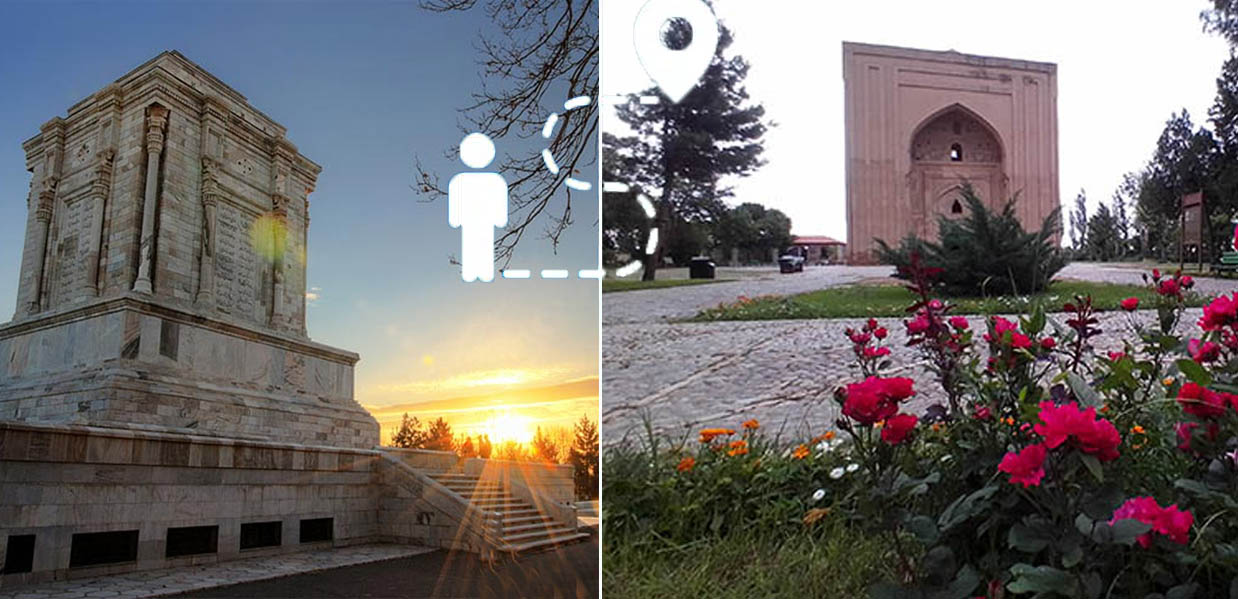
آدرس پل فردوسی کشفرود: مشهد، شهر توس، بلوار شاهنامه، میدان سپهبد
فاصله آرامگاه فردوسی تا بنای هارونیه
بنای هارونیه نسبت به آرامگاه فردوسی جای نزدیکتری به کشفرود قرار دارد. فاصله این بنا تا آرامگاه فردوسی چیزی حدود پانصد متر است.
مسیر از حرم مطهر رضوی: مشهد، مترو حرم رضوی، ایستگاه بسیج مترو، ایستگاه پارک ملت مترو پیاده میشوید.
در ادامه مسیر از پایانه اتوبوسرانی میدان آزادی، ایستگاه اتوبوس خط 202.1 سوار میشوید و ایستگاه پایانه فردوسی بلوار شاهنامه پیاده میشوید. از سمت پارک خطی آرامگاه فردوسی به سمت بنای هارونیه مسیری 500 متری که بروید کلی المان و جاهای دیدنی برای عکاسی هست که تا جای خود پل فردوسی کشفرود و دیوار تابران توس هستند.
________________________
"All the borders were barren and unpaved. Hemi went victorious to Kase Rud. At that border, the army landed. The ground was covered with tents and disappeared. It was reported that the Iranian army had left the country. Andar set out towards Kase Rud."
"Firdausi"
Ferdausi's Mausoleum in Mashhad
The Chahar Borj neighborhood is located a short distance from Almas Shargh, which is located near Khin Arab. Both are located on the route to Kashrud. Almas Shargh is considered modern and up-to-date in terms of construction, and the Chahar Borj neighborhood is a historical part of Mashhad.
Chahar Borj neighborhood, a place to live
The Chahar Borj neighborhood was once known as the village of Chahar Borj in the ancient city of Toos. Since ancient times, its dried berries next to Qaisy, when Kashrud was known on the Silk Road, have been world famous.
Niloufar Pond, Ferdowsi's Mausoleum in Mashhad
The 360-hectare area of Toos has been registered on the list of national monuments of Iran. Ferdowsi Tomb Museum consists of four parts including pottery pieces from the Islamic period and before, gold and silver coins from the Islamic period, and discovered artifacts from the ancient city of Toos.
Ferdowsi Museum - Ancient City of Toos
The ancient monuments of this area, especially the ancient citadel, are still standing after several hundred years. Large villages have gathered next to this area, whose gardens are of great importance next to Kashfrud. A market has formed next to this area where garden and rural products are sold. In the surrounding villages, they are active in the production of industries related to grapefruit, tangerine (orange peel, tangerine peel), oil, orange peel, apple puree, kiwi puree, peach puree, and tomato paste in bulk, which can be seen especially in the fruit and vegetable market from the direction of Ferdowsi Tomb.
Search for Fruit and Vegetable Market
You can download the video of the Fruit and Vegetable Market on Shahnameh Boulevard from here.
Traces of the Tabran Toos Wall can be seen on the banks of the Kashfrud, where the Ferdowsi Bridge is located. The historic Toos Wall, also known as the Old Fence of the Tabran Toos Fortress, is the remains of the ancient city wall of Toos. The wall has been restored in various historical periods, including the Sassanids and later the Seljuks.
Part of this wall is a brick column that we will take a look at: a simple brick column without plasterwork that has adorned the riverside to this day.
Ferdowsi Bridge on the Path of Progress
The Ferdowsi Bridge itself has a long history. It was rebuilt in concrete about 50 years ago and is located between the ancient brick walls of the Kashfrud. After that, in the 1990s, an architectural competition was held to improve the structure of the Ferdowsi Bridge and the nearby Kashfrud Ecopark, which was held among university students from all over the country, and prizes were also awarded.
Today, large pipes have been laid along this part of the river, which diverts the wastewater from Parkandabad to the Ferdowsi Bridge to irrigate the green space of the Bom Park near the bridge and the area including Chaharborj and Kalateh Barfi. These areas contain sensitive ancient and natural monuments from which the fortress and the story of Ferdowsi's Shahnameh originated, and today they are considered natural and up-to-date museums in the region. The Harunieh building is located a short distance from the Ferdowsi Mausoleum Museum and the Jurassic Park, which are accessible from several nearby bus stops.
The Bom Park of Kashfrud
takes over the green part of the region for breathing, and its location is considered next to the Ferdowsi Bridge. The Bom Park has been specially designed for the comfort of the native birds of the region and migratory birds passing through, so that ducks can use its water. Kashfrud annually welcomes a variety of birds from different parts of the world, which has given Ferdowsi Bridge and its surrounding natural attractions a high tourism potential.
Sights of Ferdowsi Bridge Kashfrud
Address of Ferdowsi Bridge Kashfrud: Mashhad, Toos City, Shahnameh Boulevard, Sepahbod Square
Distance between Ferdowsi Tomb and Harunieh Monument
Harunieh Monument is located closer to Kashfrud than Ferdowsi Tomb. The distance between this monument and Ferdowsi Tomb is about five hundred meters.
Directions from the Razavi Holy Shrine: Mashhad, Razavi Haram Metro, Basij Metro Station, Park Mellat Metro Station.
Further along the route, from Azadi Square Bus Terminal, take bus line 202.1 and get off at Ferdowsi Terminal Station on Shahnameh Boulevard. From the Ferdowsi Tomb Linear Park towards Harunieh Monument, there are many landmarks and places to take photos, including Ferdowsi Bridge Kashfrud and the Tous Tabran Wall.
کشفرود و قله هزار مسجد
امروز که این مطالب رو مینویسم، چند روزه که بخاری ها رو خاموش کرده ایم. هوا رو به بیشتر بیابانی شدن و آلوده تر شدن میره. من در گوگل جستجو میزنم: "کشفرود" و خروجی برای دمای هوای یک هفته اینطور میشه:
دوشنبه: 16-32، سه شنبه 14-31، چهارشنبه 13-27، پنج شنبه 12-28، جمعه 12-27
یعنی هفته ای با هوای کاملا بیابانی را پیش رو داریم و حالا حالاها گرما و آلودگی بر کشفرود و شهر مشهد حاکم است.
دیگر آن زمان گذشت که میگفتن پوشش گیاهی منطقه با سوزاندن درختان زرشک و زالزالک برای هیزم نابود شده، الآن هنگام برداشت آلودگی از آب و هواست.
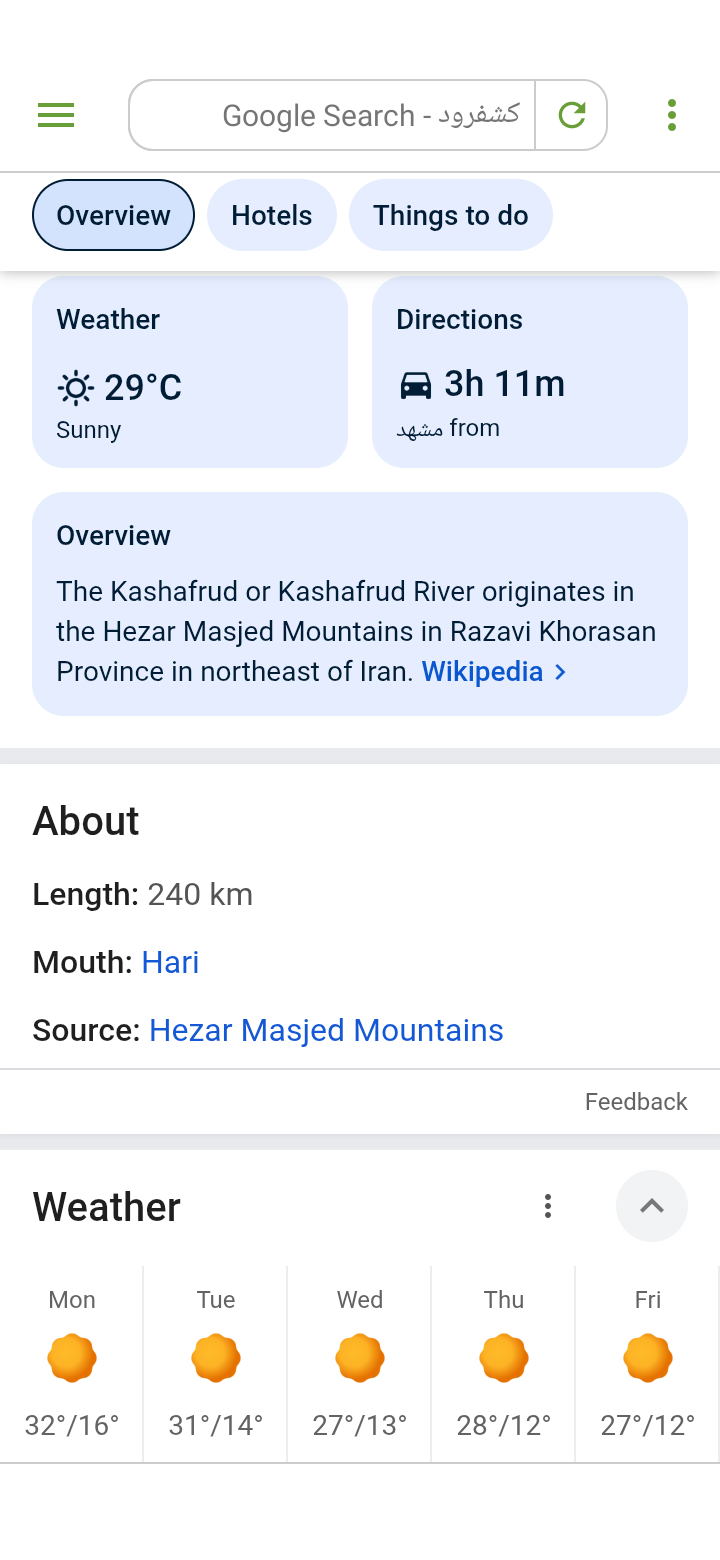
جزئیات دیگر عکس شامل جهت دهی ها به سمت کشفرود هست که میگه سه ساعت رانندگی با ماشین در این مسیر دارند و سرچشمه کشفرود کوه های هزار مسجد است.
قله هزار مسجد در شمال مشهد قرار گرفته و محل ییلاق هزاران دام عشایر خراسانی است. عشایری مانند بروانلو، صوفیانلو، باچوانلو، قره باشلو و سایرین با اعتقادی که به قله هزار مسجد دارند، هر ساله با نذر و نیازی که دارند به ارتفاع هزارمسجد میروند.
به روایتی، جنگی که بین مسلمانان و کفار در میدان هزار مسجد (النگ هزار مسجد) صورت گرفته است که در قسمت شرق قله قرار گرفته و اثرات پادگان و محل رزم آن مشخص است، و گاهی یک یا دو تیر پیکان زنگ زده به دست می آید. چون در این جنگ هزار نفر مسلمان شرکت داشته اند به نام هزار مسجد نامیده شده است.
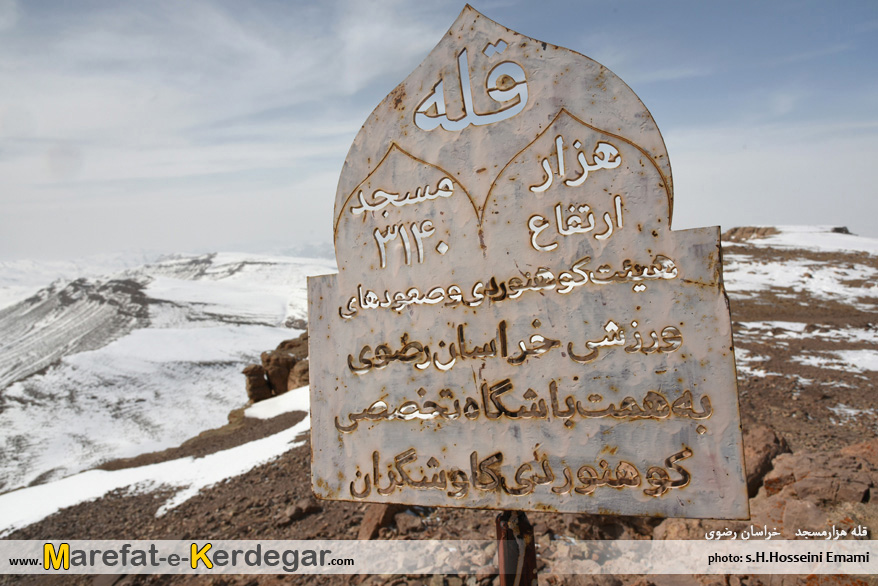
وضعیت قله هزار مسجد: فاصله از مشهد، 12 کیلومتر، ارتفاع 3040 متر
توپوگرافی: کوهستانی-صخره ای -تپه ماهور
دره سیستان در رشته کوه هزار مسجد شهرت جهانی داشته و منطقه شکار حفاظت شده است. پوشش گیاهی آن: جنگل های پوشیده اورس، زرشک، ارغوان، پسته کوهی، کلاه میرحسن، درمنه (گندواش)، گون، گیوچر، انجیر، زالزالک، بادام وحشی و انواع گیاهان دارویی شامل: آویشن، گل پپو، چای شکارچیان، آنخ، باریجه، اسطخودوس است که کل ها خیلی به آن علاقه مند هستند.
تنوع جانوری آن نیز شامل کل و بز کوهی، قوچ میش، پلنگ، کفتار، روباه، شغال، گرگ، گراز و تشی، کبک، تیهو، شاهین، کرکس، بالابان، همای، عقاب طلایی، سهره، دلیجه، سارکبه، سار، کور کور قرقی، چکاوک و باقرقره است.
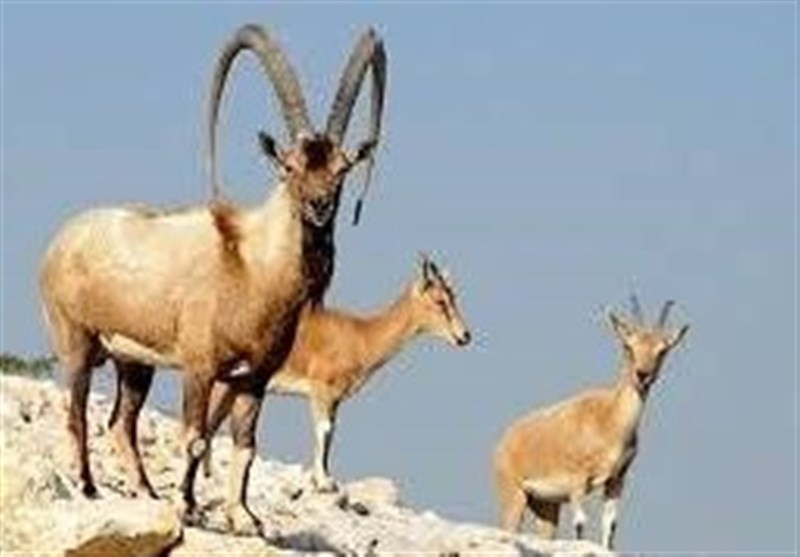
کل و بز گونه ای از بز کوهی است. نرها که کل نامیده میشوند شاخ های بلند وشمشیر مانندی دارند که هر گره از آن سن کل را نشان میدهد.
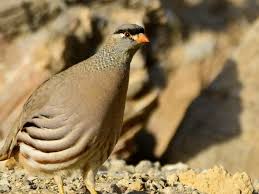
تیهو کوچکتر از کبک است. رنگ پرهای آن بیشتر تمایل به خاکستری دارد. در حالی که کبک ها پرهای روشن تر و با خال های بیشتری دارند. در زیر تصویر یک کبک را میبینید:
مطالب برگرفته از کتاب حیات وحش خراسان است که تاکنون چندین بار تجدید چاپ شده است.
__________________
As I write this, we have been turning off the heaters for a few days now. The weather is becoming more desert-like and polluted. I search Google for "Kashfrud" and the output for the weather temperature for a week is as follows:
Monday: 16-32, Tuesday 14-31, Wednesday 13-27, Thursday 12-28, Friday 12-27
That means we have a week of completely desert-like weather ahead of us, and now the heat and pollution are dominating Kashafrud and the city of Mashhad.
The time has passed when they said that the vegetation of the region was destroyed by burning barberry and hawthorn trees for firewood, now it is time to remove the pollution from the air and the climate.
Kashfrud weather
Other details of the photo include directions to Kashaf rood, which says that it is a three-hour drive by car on this route, and that the source of Kashfrud is the Hezar Masjid Mountains.
The peak of a thousand mosques is located in the north of Mashhad and is the summer home of thousands of cattle of Khorasani tribes. Tribes such as Barwanloo, Sufyanloo, Bachwanloo, Qara Bashloo and others, believing in the peak of a thousand mosques, go to the height of a thousand mosques every year with their vows and needs.
According to a legend, a war between Muslims and infidels took place in the field of a thousand mosques (alang a thousand mosques), which is located in the eastern part of the peak and the effects of the garrison and the battlefield are clear, and sometimes one or two rusty arrows are found. Because a thousand Muslims participated in this war, it was called a thousand mosques.
The peak of a thousand mosques - 3140 meters
The situation of the peak of a thousand mosques: Distance from Mashhad, 12 km, altitude 3040 meters
Topography: mountainous-rocky - Mahur hill
The Sistan Valley in the mountain range of a thousand mosques is world famous and is a protected hunting area. Its vegetation: forests of Urs, barberry, purple, mountain pistachio, Mirhasan hat, Artemisia (Gandavash), Goon, Guicher, fig, hawthorn, wild almond and various medicinal plants including: thyme, pepo flower, hunters' tea, ankh, barijeh, and lavender, which the kals are very interested in.
Its animal diversity also includes the kal and the antelope (Capra aegagrus), ram, leopard, hyena, fox, jackal, wolf, wild boar and tshi, partridge, hawk, falcon, vulture, balaban, homay, golden eagle, sparrowhawk, falcon, starling, kor kor qarqi, chakavak and grouse.
Difference between kal and antelope
The kal and the goat are a species of antelope. The males, which are called kal, have long, sword-like horns, each node of which indicates the age of the kal.
The kal is smaller than the kal. Its plumage tends to be more gray. While partridges have lighter feathers with more spots. Below is a picture of a partridge:
Partridge bird in the mountains of Hezar Masjid
The material is taken from the book Wildlife of Khorasan, which has been reprinted several times.
بازار تره بار کشفرود
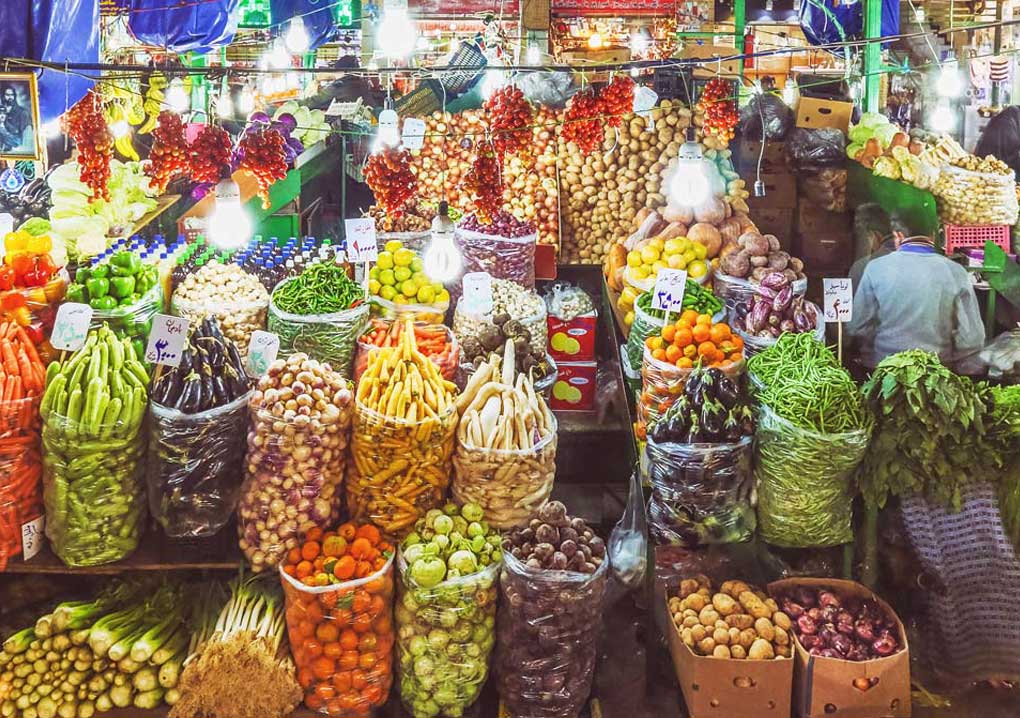
روی نقشه داشتم دنبال بازار تره بار کشفرود میگشتم. به جز چند تایی که از دو دهه پیش نزدیک خین عرب متمرکز کرده اند، بازار تره بار دیگه ای پیدا نکردم. تعجب کردم که چرا برای جمعیتی به این زیادی در شاهنامه و شهر توس بازار تره بار تعریف نشده است.
بازار تره بار، با نرخ های مصوب و منصفانه میتواند کمک خرج مردم باشد، بخصوص که این مناطق خانواده های زیاد جوانی با درآمد کم دارد.
در این منطقه، بخصوص باغات قرار دارد، و اتفاقا بیشتر این باغ ها ارتباطی با میدان باری ها در بازار تره بار ندارند. در این گونه موارد، باید بازارهای محلی تره بار تعریف شود؛ بازارهای کوچک مقیاس که باغداران خرد این منطقه بتوانند محصولات خود را به طور مستقیم عرضه کنند. واقعا جای اینگونه بازارهای کوچک خالی است. این بازارها هم موجب رونق کسب و کار باغداران میشود و هم با شغل های کنار آن منجر به افزایش درآمد مردم محلی میشود. این جدای از آن است که سرانه مصرف میوه هم با این کار به سادگی در محله افزایش می یابد.
یکی از بازارهای پر جنب و جوش در مسیر توس، در خیابان نجف قرار دارد، اما آن هم به شکل عجیبی اختصاصی به محصولات باغی و زراعی ندارد. ظرف، پلاستیک و لباس در بسیاری از مغازه های آن دیده می شود.
انقدر که سبزی فروشی با نرخ مصوب در محدوده توس تا بلوار شاهنامه فردوسی کم است که مردم برای خرید مایحتاج، حتما باید نزدیک به بیست کیلومتر مسافرت کنند تا از بازار تره بار مرکز شهر خرید کنند.
_____________________
Variety in the Vegetable Market
I was looking for the Kashafrud vegetable market on the map. Except for a few that have been concentrated near Khin Arab for two decades, I did not find any other vegetable markets. I wondered why there is no vegetable market defined for such a large population in Shahnameh and Toos city.
The vegetable market, with approved and fair prices, can help people with their expenses, especially since these areas have many young families with low incomes.
In this area, there are especially orchards, and by the way, most of these orchards have no connection with the market stalls in the vegetable market. In such cases, local vegetable markets should be defined; small-scale markets where small gardeners in the area can directly offer their products. There is really no room for such small markets. These markets both promote the business of gardeners and, with the jobs they create, increase the income of local people. This is apart from the fact that per capita fruit consumption also increases easily in the neighborhood.
One of the most lively markets on the Toos route is located on Najaf Street, but it is strangely not dedicated to garden and agricultural products. Containers, plastic, and clothing are seen in many of its shops.
There are so few vegetables sold at the approved price between Toos and Shahnameh Ferdowsi Boulevard that people have to travel nearly twenty kilometers to buy necessities from the city center's vegetable market.
وقف برای کشفرود
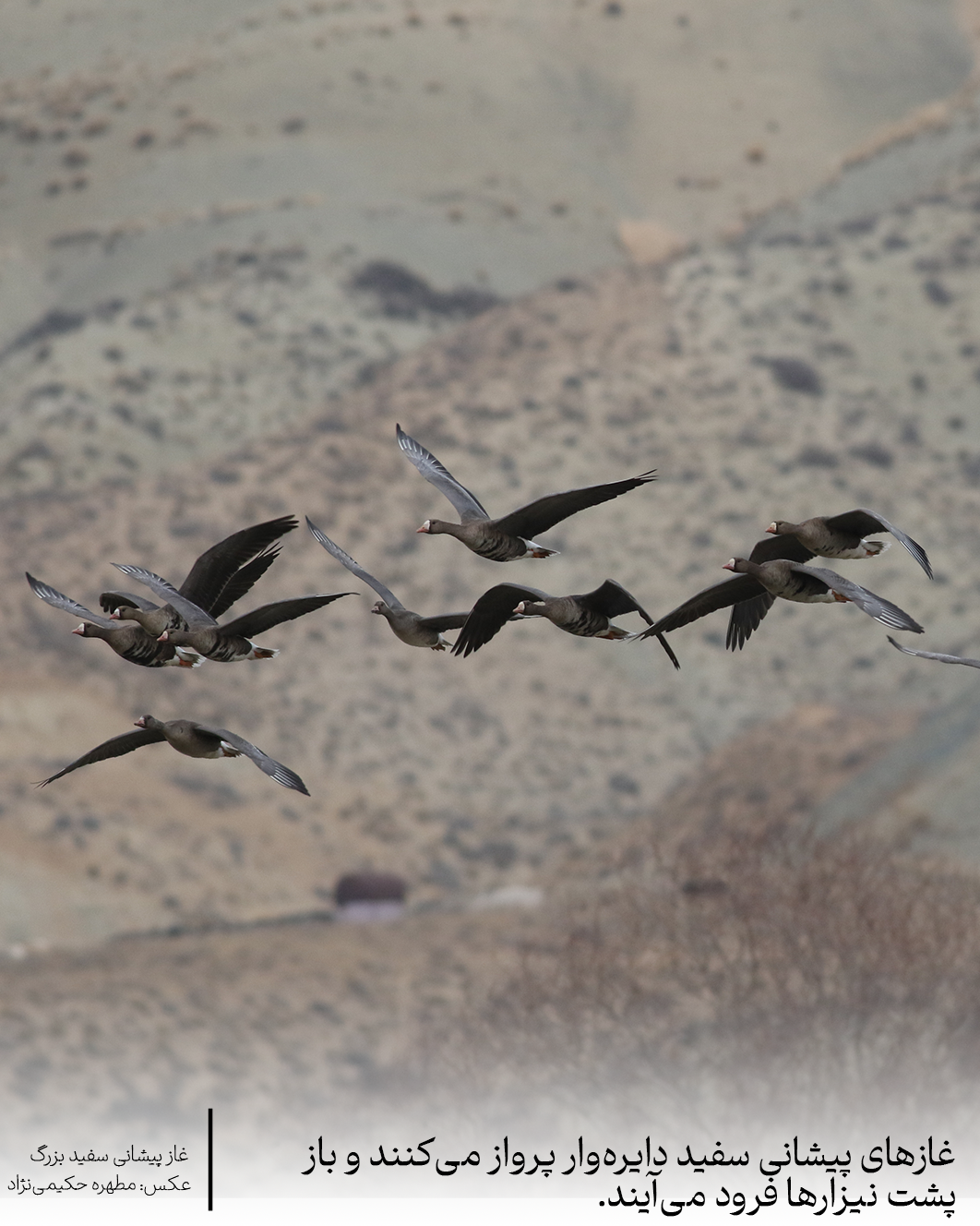
اندکی آهسته باران، فتنه انگیزش مکن • برکت خوب خدا هستی، بلا خیزش مکن • خرده خرده ما دعا کردیم تا نازل شوی
منظره خشک رودخانه کشف که در شیارها و پستی بلندی های صخره ها میبینیم ما را یاد کوه های بخشنده هزار مسجد و بینالود می اندازد که این رودخانه از آن به طور فصلی سرچشمه میگیرد.
آب روان و کوه، اگر بگذارند، خود را وقف اسکان و مسافرت های ما میکند. آیا الان که خشک بنظر میرسد زمانی نیست که ما خود را اندکی وقف آن کنیم؟
_____
Little rain, don't cause trouble • You are a good blessing from God, don't cause trouble • Little by little we prayed that you would come down
The dry landscape of the Kashaf River that we see in the grooves and depressions of the rocks reminds us of the generous mountains of Hezar Masjid and Binalud from which this river originates seasonally.
The flowing water and the mountains, if they are allowed, dedicate themselves to our accommodation and travels. Isn't it time now that it seems dry to dedicate ourselves to it a little?