
Kashafrud river - رودخانه کشف رود
اینجا درباره رودخانه کشفرود ایران مینویسم
Kashafrud river - رودخانه کشف رود
اینجا درباره رودخانه کشفرود ایران مینویسمدرباره من
 از اونهام که می گم آدم بایست حرف خودشو بزنه، اما یاد گرفتم که هر حرفی رو تو جاش بزنم، اینجا، هرچی می خوام رو می گم
ادامه...
از اونهام که می گم آدم بایست حرف خودشو بزنه، اما یاد گرفتم که هر حرفی رو تو جاش بزنم، اینجا، هرچی می خوام رو می گم
ادامه...
وقف سقاخانه و دهشک
حرم امام رضا و دهُشَک
اکنون که به ماه مبارک رمضان نزدیک میشویم، قدری از نقش حیات بخش کشفرود و مردم بخشنده و آگاه آن که با اعتقادات دینی بارگاه امام هشتم را رونق داده اند، بیان میکنیم. کشف رود در شهر مشهد محله بالا خیابان و پایین خیابان را طی میکرده است. امروز مسیر آن همچنان در کال قره خان مشخص است. مردم در کنار این رود زندگی میکردند و این رودخانه آرام با طی مسیر طولانی باغات توس را سیراب میکند. هرکدام از روستاهای اطراف توس، هم از این رودخانه استفاده میکردند و هم از رونق زندگی شان به شکل وقف برای آبادانی استفاده میکردند. این وقف ها جزو اسناد مهم رسمی کشور هستند که در مسیر کشفرود تاریخی قرار داشته است. بخش عمده ای از اسناد وقف در شهر مشهد مرتبط با حرم مطهر رضوی است. حرم رضوی (حرم امام رضا) از دیرباز میزبان سفره های افطار و قرائت قرآن و اذان گفتن موذن ها هنگام افطار و سحر بوده است. این آیین ها دستورالعمل هایی داشته است که با مطالعه اسناد تاریخی آستان قدس رضوی به یکی از آنها اشاره میکنیم.
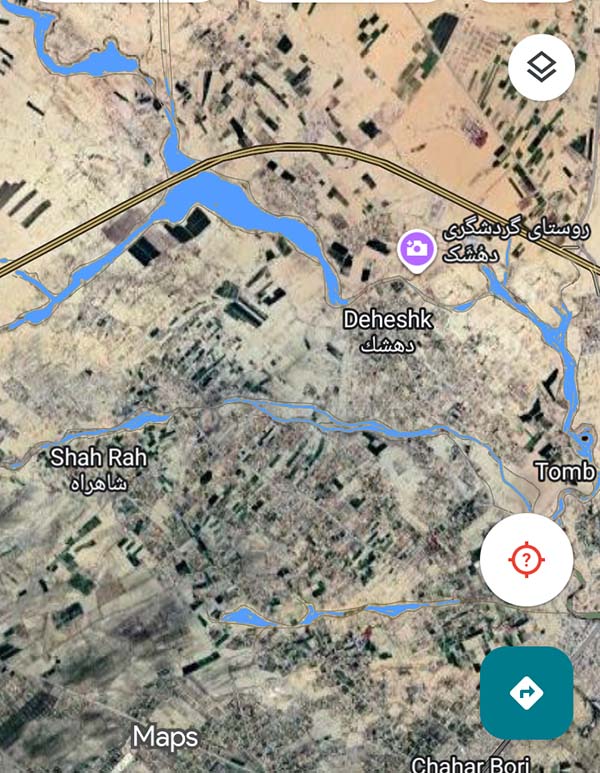
این سند مربوط به روستای دهشک (دهُشَک) در غرب کشفرود و از روستاهای توس باستانی است. دهشک روستایی بوده است در کنار کشفرود خروشان با زمین ها و باغات سرسبز و درآمد فراوان که در زمانی که مشهد پایتخت نادری شد، انقدر درآمد داشت که بخشی از آن را وقف توسعه حرم رضوی کردند. محصولات باغات آن بادام، و انواع میوه مثل سیب، گلابی، آلبالو، آلو و گیلاس است.
شب های قدر
نقاره زنی رویت هلال ماه، و مراسم سلام دومین امام شیعیان (امام حسن مجتبی) را در ایوان طلای (نادری) صحن قدیم که بگذرانیم میرسیم به شب های قدر. در شب های نزول قرآن (شب قدر) برخلاف سایر شب ها، صحن و سرای رضوی در نور شمع ها و چلچراغ ها روشن بوده است. حتی قندیل ها، پیه سوزها و مشعل ها هم روشن می ماند تا مراسم شب های قدر با شکوه و عظمت خاصی برگزار شود.
بخشی از اسناد که بیانگر حال و هوای حرم مطهر در شب های قدر هستند، در دوره صفویه ثبت شده اند. این اسناد نشان میدهد همزمان با شب های احیای قدر، مراسم ویژه ای در بارگاه ملکوتی امام رضا علیه السلام به صورت یک سنت، هر ساله برگزار میشده است. در این ایام، مستغلات و دکان های حرم مطهر تعطیل و برخلاف شب های دیگر که در ابتدای شب چراغ های حرم مطهر خاموش میشده، در این ایام حرم رضوی تا صبح روشن بوده و چراغ خانه علی بن موسی الرضا (ع) نیز به نشانه احیا تا صبح روشن می مانده است. هم چنین در این شب ها، نقاره زنی و نواختن طبل ممنوع بوده است.
مراسم نخل بندی را برای سالروز شهادت امام علی علیه السلام در ماه رمضان برگزار میکرده اند. قدیمی ترین سند این ایام مربوط به روضه خوانی شب بیست و یکم ماه رمضان سال 1112 هجری قمری میباشد. اسنادی وجود دارد که به برپایی مراسم «نخل بندی» در دوره های صفویه و افشاریه اشاره میکند. دوره افشاریه بعد از دوره صفویه است و مربوط به زمانی است که پایتخت ایران در خراسان واقع شده است. نادرشاه افشار، بیشترین ثروت را برای ایرانیان به دست آورد و با طلاهایی که از نبردهایش در هند کسب کرد، گنجینه خانه خود را در کلات نادری (خشت نادری) پر کرد. در آن دوره، انقدر وضع طلای ایران خوب بود که برای پاداش طلا به صورت کیلویی اهدا میشده است.
گفتیم ایوان طلا. در حرم امام رضا چندین المان داریم که طلا هستند، و یکی از آن ها سقاخانه اسمامیل طلایی است. این سقاخانه در دوره نادرشاه افشار (حدود سیصد سال پیش) وقف حرم امام رضا شده بود. نادر شاه که وارثان او امروز نادری خوانده میشوند، موقوفاتی داشته است که یکی از آنها را باهم مرور میکنیم.
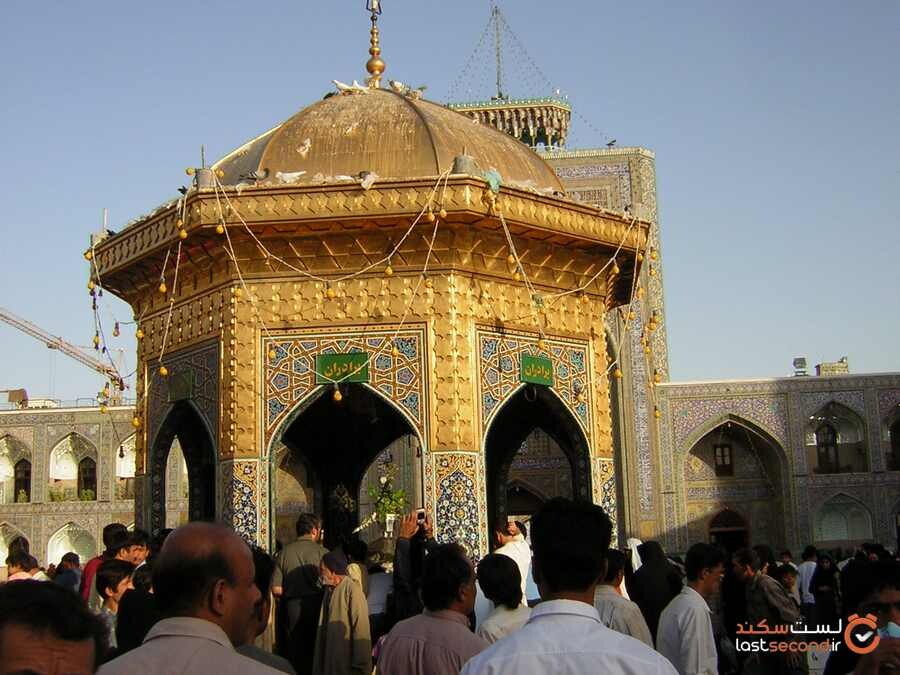
وقف سقاخانه اسماعیل طلایی توسط نادرشاه افشار
سقاخانه اسماعیل طلایی در صحن ایوان طلای نادری قرار دارد. این صحن، قدیمی ترین صحن حرم امام رضا علیه السلام است. این صحن چند ایوان زیبا دارد که یکی از آنها ایوان طلاست. ایوان عباسی در شمال صحن، ایوان ساعت در غرب و ایوان نقاره خانه در شرق این صحن است. در این صحن میتوانید از سقاخانه معروف اسماعیل طلا آب بنوشید و پای پنجره فولاد بروید. در گذشته مردم به نیت شفا، آب این سقاخانه را برای سوغات میبردند. نماز خواندن در این صحن هم حال و هوای خودش را دارد؛ چون قبله و گنبد در یک جهت هستند.
اولین موضوعی که نادر درباره عواید موقوفاتش دستور داده، سقاخانه اسماعیل طلایی صحن انقلاب است. در وقفنامه آمده است که ۲ نفر هر روز با یک گاری دو اسبه از طرق (یکی از ریزآبه های مهم شرق کشف رود) برای سقاخانه آب بیاورند و در فصل گرما اگر نیاز بود اقدام به خرید یخ کنند.
جیره و مواجب این ۲ نفر را هم گفته که از درآمد مزرعه دهشک بدهند. حتی اگر اسبهایشان مردند یا پیر شدند، از همان پول مزرعه ۲ اسب جوان و تندرو و سرحال خریداری شود.
هر ۵ سال یکبار هم فرش و نمدهای قدیمی، پردههای زربفت را عوض کنند و همه را نو بخرند از همان درآمد موقوفهها. قدیمیها را هم بفروشند و پولش را بین نیازمندان شهر تقسیم کنند.
نادرشاه افشار اینقدر احترام برای پدران خود قائل بوده است که بخشی از درآمدهای زمینها و دکان هایش را وقف مقبره باباعلی بیگ کرده است. به این صورت که هر روز ۹۰۰ دینار تبریزی برای ۶ حافظ قرآن، یکنفر فراش و روشنایی و بخور مقبره شریفه باباعلی باید خرج شود تا در جوار رحمت و غفران حق آرام بگیرد. امروزه مقبره باباعلی در حرم است، ولی جای آن مشخص نیست. آرامگاه نادرشاه افشار در باغ نادری و نزدیکی حرم امام رضا قرار دارد.
__________
Imam Reza Shrine and Dehoshak
Now that we are approaching the holy month of Ramadan, we would like to express a little about the life-giving role of the Kashf-ud River and its generous and aware people who have enriched the shrine of the eighth Imam with their religious beliefs. The Kashaf-rud River used to flow through the upper and lower neighborhoods of Mashhad. Today, its route is still clear in Kal Qara Khan. People lived along this river, and this calm river flows along a long path, watering Toos gardens. Each of the villages around Tous used this river and used their prosperity in the form of endowments for development. These endowments are among the important official documents of the country that are located on the historical Kashf-ud River. A large part of the endowment documents in Mashhad are related to the Razavi Holy Shrine. The Razavi Shrine (Imam Reza Shrine) has long been the host of iftar tables, recitation of the Quran, and the call to prayer by muezzins during iftar and sahur. These rituals had instructions, one of which we will refer to by studying the historical documents of Astan Quds Razavi.
This document is related to the village of Dehshak (Dehshak) in the west of Kashfrud and is one of the ancient Tous villages. Dehshak was a village next to the roaring Kashfrud with lush lands and gardens and abundant income. When Mashhad became the capital of Naderi, it had so much income that part of it was dedicated to the development of the Razavi Shrine. The products of its gardens are almonds, and various fruits such as apples, pears, sour cherries, plums and cherries.
Nights of Power )Qadr Night(
We will spend the silversmithing of the sighting of the crescent moon, and the ceremony of greeting the second Imam of the Shiites (Imam Hassan Mujtaba) in the golden porch (Naderi) of the old courtyard, and we will come to the Nights of Power. On the nights of the revelation of the Quran (Night of Power), unlike other nights, the courtyard and the Razavi Palace were lit by the light of candles and chandeliers. Even the lamps, tallow burners and torches were kept on so that the Nights of Power ceremonies could be held with special splendor and grandeur.
Some of the documents that express the atmosphere of the Holy Shrine on the Nights of Power were recorded in the Safavid period. These documents show that, simultaneously with the nights of revival of power, a special ceremony was held in the heavenly court of Imam Reza (AS) as a tradition every year. During these days, the properties and shops of the Holy Shrine were closed, and unlike other nights when the lights of the Holy Shrine were turned off at the beginning of the night, during these days the Razavi Shrine was lit until morning, and the lamp of the house of Ali ibn Musa al-Reza (AS) also remained lit until morning as a sign of revival. Also, during these nights, playing drums and playing flutes was prohibited. The palm-wrapping ceremony was held for the anniversary of the martyrdom of Imam Ali (AS) in the month of Ramadan. The oldest document of these days is related to the recitation of the prayer in the 21st night of Ramadan in the year 1112 AH. There are documents that refer to the holding of the "palm-wrapping" ceremony during the Safavid and Afsharid periods. The Afsharid period is after the Safavid period and relates to the time when the capital of Iran was located in Khorasan. Nader Shah Afshar gained the most wealth for the Iranians and filled his treasury in Naderi Kalat (Naderi Brick) with the gold he won from his battles in India. At that time, the state of Iran's gold was so good that gold was given in kilos as a reward.
We mentioned the Golden Porch. There are several elements in the Imam Reza shrine that are made of gold, and one of them is the Ismaeil Golden Porch. This Porch was dedicated to the Imam Reza shrine during the reign of Nader Shah Afshar (about three hundred years ago). Nader Shah, whose heirs are called Naderis today, had endowments, one of which we will review together.
The Endowment of the Ismael Golden Porch by Nader Shah Afshar
The Ismael Golden Porch is located in the courtyard of the Naderi Golden Porch. This courtyard is the oldest courtyard of the Imam Reza shrine. This courtyard has several beautiful porches, one of which is the Golden Porch. The Abbasi Porch is in the north of the courtyard, the Clock Porch is in the west, and the Narghar Khan Porch is in the east of this courtyard. In this courtyard, you can drink water from the famous Ismail Tala water fountain and go to the steel window. In the past, people would take water from this water fountain as souvenirs with the intention of healing. Praying in this courtyard also has its own atmosphere; because the Qibla and the dome are in the same direction.
The first issue that Nader ordered regarding the proceeds of his endowments is the Ismail Tala water fountain in the Revolution courtyard. The endowment letter states that two people should bring water for the water fountain every day with a cart of two horses from the Tork (one of the important tributaries east of the Kashf River) and buy ice if needed in the hot season.
He also said that the rations and salaries of these two people should be paid from the income of the Dehshak farm. Even if their horses died or grew old, two young, fast and healthy horses should be purchased from the same money from the farm.
Every 5 years, old carpets and felts, gold-woven curtains should be replaced and all new ones should be bought from the same income from the endowments. Sell the old ones and distribute the money among the needy in the city.
Nader Shah Afshar had such respect for his fathers that he dedicated part of the income from his lands and shops to the tomb of Baba Ali Bey. In this way, 900 Tabrizi dinars must be spent every day for 6 Quran memorizers, one bed, lighting, and incense for the noble tomb of Baba Ali so that he may rest in the mercy and forgiveness of God. Today, Baba Ali's tomb is in the shrine, but its location is not known.The tomb of Nader Shah Afshar is located in Naderi Garden and near the shrine of Imam Reza.
آجر پسماند و جلوگیری از آلودگی آب رودخانه
آبهای سطحی شامل آب باران، روانآبهای شهری، سیلابها و آب رودخانهها هستند که هنگام عبور از سطح زمین، با گلولای، فلزات سنگین، زبالهها، مواد شیمیایی جاری میشوند. به غیر از آب آشامیدنی تمیز، ما نیاز داریم که آب اقیانوسها، رودخانهها و دریاچهها را نیز تمیز و غیر آلوده نگه داریم چون در غیر این صورت طی مراحل چرخه زیستی به خودمان برمیگردد و سلامتی اکوسیستم را به خطر می اندازند. به آنچه که ماهیت آب را تغییر دهد آلودگی آب میگویند. در این مطلب به برخی عوامل آلوده کننده آب های جاری میپردازیم و توضیح میدهیم که چطور میشود از آلودگی آب جلوگیری کرد.
آبی که در رودخانه های سطحی و کشف رود جاری میشود را باید تمیز نگهداریم. در درجه اول، برای این تمیزی به کاهش آلودگی از طریق تفکیک در مبدا اشاره میشود. تفکیک زباله از مبدا، در واقع همان فرایند شناسایی و جداسازی زبالههای قابل بازیافت و غیر قابل بازیافت است که معمولا با هدف کاهش زبالهها صورت میگیرد.

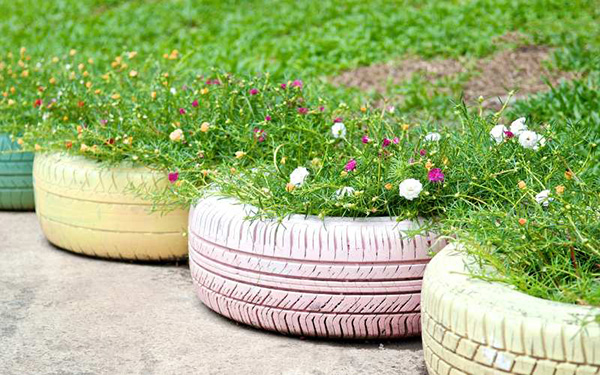
از همان ابتدا پیشنهاد میشود که در مبدا زباله کمتری تولید شود و استفاده مجدد صورت گیرد. استفاده مجدد به هر فعالیتی گفته میشود که عمر مصرف وسایل و مواد را بالا ببرد. مثلا به طور خلاقانه کاربرد دیگری برای وسایل غیرقابل استفاده پیدا کنیم و آنها را دور نریزیم. استفاده مجدد از زباله (Reuse) یکی از بهترین راهکارها برای کاهش تولید زباله و حفظ محیط زیست است
در مرحله بعدی عملیات لایروبی و استخراج زباله از محل رودخانه ها پرداخته میشود.
در کشورهای مختلف، هنگام ارائه طرح های لایروبی و حفاظت از دیواره و کناره رودخانه با سنگ چینی (با سنگ قلوه) و ماسه ها، طرح های مختلفی برای جمع آوری زباله های اطراف آن طی مراحل مختلف میدهند. از مزایای دیوار چینی با سنگ رودخانه، محیط زیست و دوام بالای آن است. با استفاده از سنگهای طبیعی و محلی، این نوع دیوارها به عنوان یک راهکار محیطپسند در نظر گرفته میشوند. از شن و ماسه و لای به دست آمده از لایروبی نیز برای آباد سازی و ترمیم نواحی احداث ساحل جزایر مصنوعی و یا ساخت موج شکن استفاده می شود.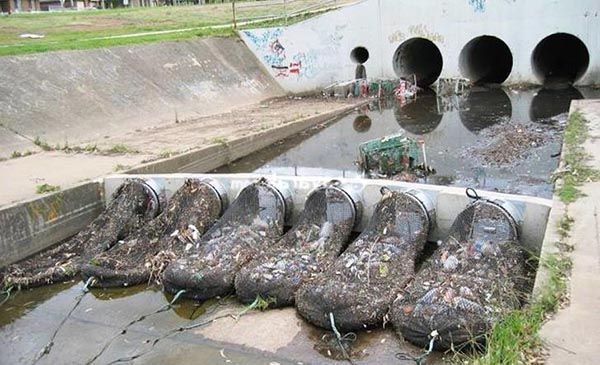
بخشی از آلودگی های رودخانه مربوط به پلاستیک است و بخشی هم مربوط به ضایعات ساختمانی است. یکی از راهکارها به جمع آوری زباله های پلاستیکی سطح رودخانه ها، گذاشتن توری جمع آوری زباله در خروجی پل هاست. این ضایعات را به صورت کنترل شده جمع آوری میکنند و در نهایت فقط بخش کوچکی از آنها بازیافت میشود. در ادامه این متن راهکاری میدهیم که منجر به تولید آجر پسماند میشود و مناسب محیط زیست هایی است که با دستکاری انسان تخریب شده اند.
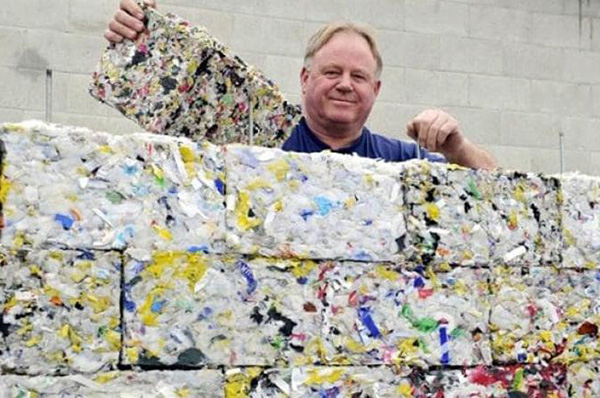
آجر پسماند با ضایعات ساختمانی
با توجه به افزایش روزافزون پروژه های عمرانی و تخریب ساختمانهای قدیمی، حجم بالایی از ضایعات ساختمانی تولید میشود که بخش قابل توجهی از آن را آجر تشکیل میدهد. رهاسازی این آجرها بدون استفاده موجب آلودگی محیط زیست و هدر رفتن منابع طبیعی میشود.
بازیافت آجر بهعنوان یکی از راهکارهای موثر برای کاهش ضایعات ساختمانی و استفاده مجدد از منابع موجود شناخته میشود. این فرایند نهتنها به کاهش هزینههای ساختوساز کمک میکند، بلکه اثرات زیستمحیطی ناشی از تولید آجر جدید را نیز به حداقل میرساند.
آجر ترکیبی بازیافتی
این نوع آجر از ترکیب چند ماده ضایعاتی مانند شیشه خردشده، پلاستیک و مصالح ساختمانی تولید میشود. آجر ترکیبی دوام بالایی دارد و معمولا در بخشهای تزیینی یا ساخت دیوارهای مقاوم در برابر رطوبت استفاده میشود.
آجر بدون پخت
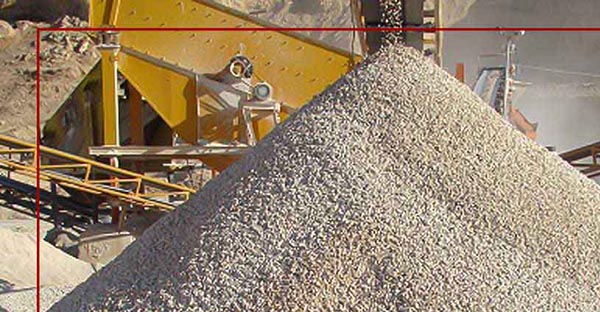
تولید آجرهای پخته شده موجود در بازار با استفاده از خاک، با مصرف قابل توجهی سوخت با قیمت بالا همراه است. این در حالیست که ضایعات ساختمانی میتوانند در ابتدا بصورت پودر تبدیل و در ادامه با یک روش خاص و ابتکاری فرآوری و پرس شود. همه دستگاههای لازم برای این روش در کشور موجود است.
برای سودآور بودن تولید آجر به آجر پازلی روی آورده اند. در تولید آجر پازلی نحوه کار به این صورت است که ابتدا مواد اولیه آن تهیه می شود. سپس شکل دهی صورت میگیرد.
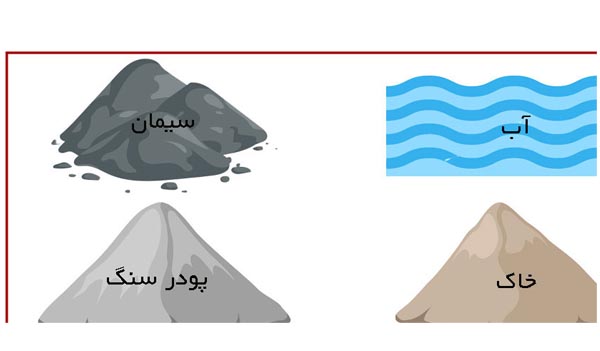
مواد اولیه آجر پازلی
آجر پازلی به سبب برآمدگی و فرورفتگیهایی که دارد در هم چفت میشوند، که دلیل نامگذاری آن به پازلی نیز همین خاصیت چفت شوندگی آن میباشد. تولید و استفاده از این آجر چه برای تولید کننده و چه مصرف کننده سود آور است. برای تولیدکنندگان، تولید آن به سبب مواد اولیه ارزان و قابل دسترس و همچنین بازار پر تقاضای امروز میتواند سود قابل توجهی داشته باشد.
شکل دهی: مواد اولیه ترکیب شده، توسط دستگاه پرس مخصوص تحت فشار کنترل شده قرار میگیرد و محصول متناسب با قالب تعیین شده شکل میگیرد.
تولید آجر سبز از زباله
_g7y1.jpg)
نمونه موفق تولید آجر سبز را در کنیا می یابیم. نزمبی ماتایی شغل خود را در بخش صنعت نفت و گاز رها کرد و بعد از آن به کار روی بازیافت پلاستیک پرداخت. وی در مورد تولید زباله پلاستیکی گفت: هر روز در نایروبی حدود ۵۰۰ هزار کیلوگرم زباله تولید میشود که تنها بخش ناچیزی از آن بازیافت میشود. او برای زبالههای پلاستیکی به عنوان آجر پسماند روش جدیدی را پیشنهاد داد. در این روش پلاستیک بازیافتی با شن ترکیب و در برابر دمای بالا قرار داده میشود و در نهایت ترکیبی به دست میآید که به شکل اندازه های مختلف آجر قالب زده میشود. آجر تهیه شده به مدت طولانی قابل نگهداری است و در کاشیکاری محوطه ها مانند آجرهای دیگر استفاده میشود.
______________________
Surface water includes rainwater, urban runoff, floods, and river water that, as it passes over the surface of the earth, flows with mud, heavy metals, garbage, and chemicals. Apart from clean drinking water, we also need to keep the water in oceans, rivers, and lakes clean and unpolluted, otherwise it will return to us during the life cycle stages and endanger the health of the ecosystem. Anything that changes the nature of water is called water pollution. In this article, we will discuss some of the factors that pollute running water and explain how water pollution can be prevented.
We must keep the water that flows in surface rivers (such as kashaf-rud) and streams clean. First of all, this cleanliness refers to reducing pollution through source segregation. Waste segregation at source is actually the process of identifying and separating recyclable and non-recyclable waste, which is usually done with the aim of reducing waste.
Waste separation to reduce pollution
From the very beginning, it is recommended to produce less waste at the source and reuse it. Reuse is any activity that increases the life of tools and materials. For example, we creatively find another use for unusable tools and do not throw them away. Reusing waste is one of the best solutions to reduce waste production and protect the environment
Tires in garden decoration
In the next stage, dredging and extracting waste from the river site will be discussed.
In different countries, when presenting dredging plans and protecting the river wall and bank with crushed stone (with rubble stone) and sand, they give different plans for collecting waste around it in different stages. The advantages of the river stone wall are the environment and its high durability. Using natural and local stones, this type of wall is considered an environmentally friendly solution. Sand and silt obtained from dredging are also used to develop and repair areas for the construction of artificial islands or breakwaters. Placing a net - bridge outlet
Some of the river pollution is related to plastic and some is related to construction waste. One solution to collecting plastic waste on the surface of rivers is to place a waste collection net at the outlet of bridges. This waste is collected in a controlled manner and ultimately only a small part of it is recycled. In the following text, we will provide a solution that leads to the production of waste bricks and is suitable for environments that have been destroyed by human manipulation.
Waste bricks with construction waste
Due to the increasing number of construction projects and the demolition of old buildings, a large volume of construction waste is produced, a significant part of which is bricks. Leaving these bricks unused causes environmental pollution and waste of natural resources.
Brick recycling is known as one of the effective solutions for reducing construction waste and reusing existing resources. This process not only helps reduce construction costs, but also minimizes the environmental impact of producing new bricks.
Recycled composite brick
This type of brick is produced by combining several waste materials such as crushed glass, plastic, and building materials. Composite brick is highly durable and is usually used in decorative parts or in the construction of moisture-resistant walls.
Unfired brick
The production of fired bricks available in the market using soil is associated with significant fuel consumption at a high price. Meanwhile, construction waste can be first converted into powder and then processed and pressed using a special and innovative method. All the necessary equipment for this method is available in the country.
To make brick production profitable, they have turned to puzzle bricks. In the production of puzzle bricks, the working method is as follows: first the raw materials are prepared. Then shaping is done.
Raw materials for puzzle bricks
Puzzle bricks interlock due to the protrusions and depressions they have, which is why they are called puzzles because of their interlocking properties. The production and use of this brick is profitable for both the manufacturer and the consumer. For manufacturers, its production can be significantly profitable due to the cheap and accessible raw materials and today's high-demand market.
Shaping: The combined raw materials are placed under controlled pressure by a special press machine, and the product is formed according to the specified mold.
Producing green bricks from waste
Tiling the area with recycled bricks
A successful example of green brick production can be found in Kenya. Nzembi Matai left his job in the oil and gas industry and then worked on plastic recycling. Regarding the production of plastic waste, he said: Every day in Nairobi, about 500,000 kilograms of waste are produced, of which only a small part is recycled. He proposed a new method for using plastic waste as waste bricks. In this method, recycled plastic is mixed with sand and exposed to high temperatures, and finally a mixture is obtained that is molded into different sizes of bricks. The bricks produced can be stored for a long time and are used in tiling areas like other bricks.
جنگل توسکای توس
«توس سرسبز» که با جنگل انبوه هیرکانی و توسکا پوشیده شده، در شمال آرامگاه فردوسی از غرب به شرق و در امتداد کشفرود امتداد یافت.
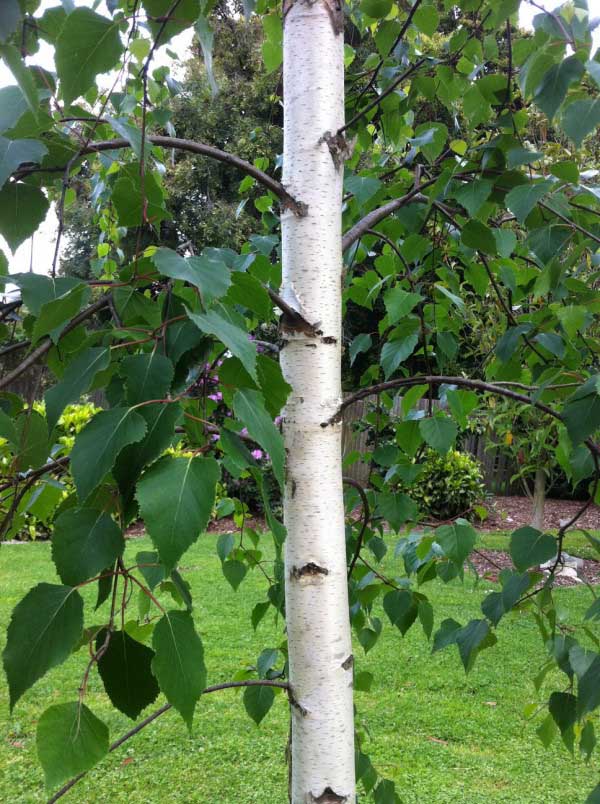
شهری که در امتداد این رودخانه و در کنار این جنگل شکل گرفته بود، سالیان سال به کشت گندم، صیفی جات و نوغان داری با درختان توت بومی منطقه پرداخت. این شهر و نیشابور پایتخت جهان اسلام بودند و رونق فراوان در کنار جاده ابریشم که از کشفرود میگذشت وجود داشت. مردم توس با چوب، خشت، سنگ و گل رس خانه های زیبای خود را بنیان نهادند. منطقه چهاربرج را که نظامی بود حول چنبره کشفرود بنا کردند و به موازات افزایش جمعیت فنون معماری و کوزه گری، و فرش بافی خود را توسعه دادند.
آنها پستی ها و بلندی های منطقه را هموار کردند و به کشت محصولات زراعی پرداختند. همچنین، آبگیرها، قنات ها و نهرهایی برای آبیاری مزارع به دست آنها احداث گردید. انواع آسیاب آبی که در کنار کشفرود آثار باقیمانده آنها را شاهد هستیم در کنار این رونق در توس احداث شدند.
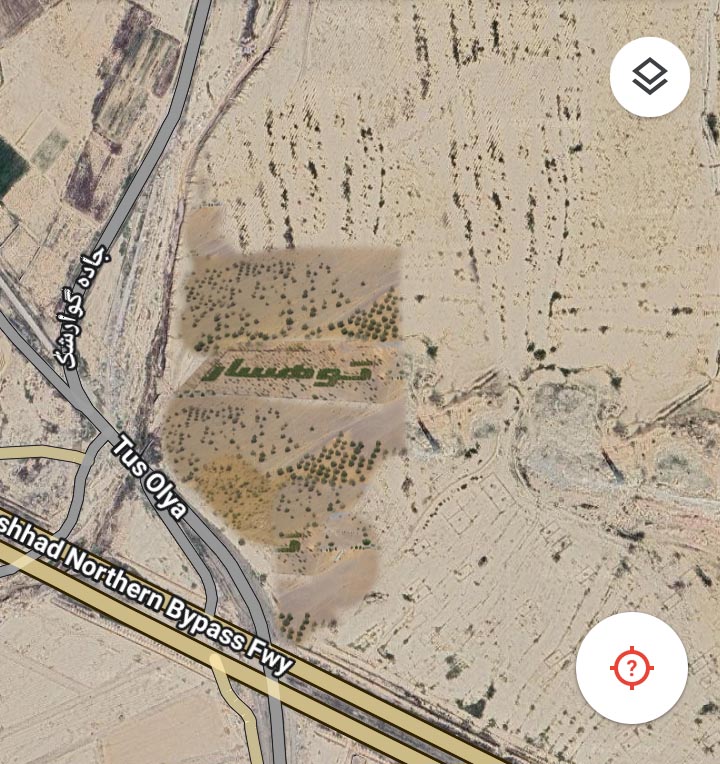
چند قرنی از این رونق نگذشته بود که این شهر و نیشابور توسط مغولان در ربیعالآخر سال ۶۱۷ قمری (تیرماه سال ۵۹۹ خورشیدی) با فرماندهی «سُبُتای» تخریب شد. مغول ها حرم امام رضا را نیز تخریب کردند. آنها بسیاری از کاشی کاری ها، جنگل ها و آثار به جای مانده در توس و نیشابور را از بین بردند. همزمان، در آن قرن که معادل قرن سیزده میلادی میشود، در تاریخ سایر قاره ها فرسایش خاک و خشکسالی و حمله قبیله های بیابان گرد به سایر مناطق خوش آب و هوا در سراسر جهان گزارش شده است. گو اینکه یکی از انگیزه های حمله مغولان به ایران خوش آب و هوا، خشکسالی بی سابقه در دشت مغولستان بوده است.
پس از این حمله، با تدبیر دانشمندانی چون خواجه نصیر الدین طوسی مسیر رونق و پیشرفت به سمت توس (زادگاه او) و سایر شهرهای مهم ایران در دوره هلاکوخان بازگشت. پس از یورش مغول و پایان یافتن فرمانروایی اسماعیلیان (۶۳۵ ه. خ) هلاکوخان، خواجه نصیرالدین توسی را مشاور و وزیر خود ساخت و وی نزد هلاکوخان در مراغه بود.
برج رادکان در امتداد کشفرود و در نزدیکی چناران که از آثار رصدخانه ای به جای مانده او می باشد و بزرگترین ساعت جهان محسوب میشود، در این دوره ساخته شد.
عمر او کفاف احیای کامل تر جنگل های توس و سپیدار این منطقه را نداد و وی پس از وفات وصیت کرد که در سرداب کاظمین او را دفن کنند و سنگ مزارش را چنین بنویسند:
وَکَلْبُهُمْ باسِطٌ ذِراعَیْهِ بِالْوَصید" "و سگشان دو دست خویش بر درگاه گشاده بود" . در حرم کاظمین٬ زیرپای دو امام شیعه 1 ما اسم دانشمند ایرانی "نصیرالدینطوسی" آمده است. پنجم اسفند سالروز اوست.
آرامگاه فردوسی در طول این مدت چندین بار بازسازی شد تا دوره هوشنگ سیحون که به سبک زردشتیان باستان، آن را ساختند. ساختمان جدید این آرامگاه محل موزه آثار به جای مانده اسلامی و قبل از آن در دوره های مختلف است. به یاد جنگل های گذشته و آب جاری اطراف توس باستانی، همان اژدهای کشفرود چنبره زده، یک حوضی تحت عنوان حوض نیلوفر احداث کردند و یک باغی که سعی شد درختان بومی توس در آن جمع آوری و نگهداری شود.
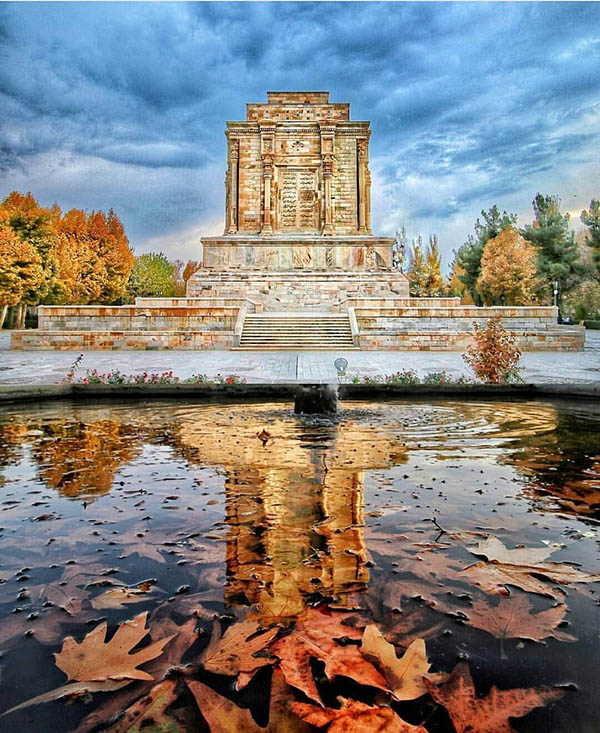
اما این همه کار برای احیای توس باستانی نیست و بوم پارک کشفرود برای احیای کشفرود و حفظ اکولوژیکی منطقه در حال احداث است تا بتوان رطوبت منطقه را برای رسیدن به جنگل های توسکا، یادگار نام دیرینه توس باستانی پایدار کرد.
______________________
1- حرم کاظمین مجموعه آرامگاهی است که مدفن امام هفتم شیعیان موسی کاظم و امام نهم شیعیان محمد تقی معروف به جواد در آن قرار دارد و یکی از زیارتگاه های مهم شیعیان می باشد.
The "green Tous (birch)" covered with dense Hyrcanian and alder forests stretched from west to east along the Kashafrud River to the north of Ferdowsi's tomb.
A city that had formed along this river and next to this forest had been cultivating wheat, summer crops, and mulberry trees native to the region for many years. This city and Nishapur were the capitals of the Islamic world, and there was great prosperity along the Silk Road that passed through Kashafrud. The people of Tous built their beautiful houses with wood, brick, stone, and clay. They built the Chaharborj region, which was a military area, around the Kashfrud River, and along with the increase in population, they developed their architectural, pottery, and carpet weaving techniques.
They leveled the hills and valleys of the region and began to cultivate crops. They also built reservoirs, Qanats and streams to irrigate the fields. Various water mills, the remains of which we can see next to Kashfrud, were built in Tous along with this prosperity.
Not many centuries had passed since this prosperity when the city and Nishapur were destroyed by the Mongols in Rabi-ul-Akhr 617 AH (Tajr 599 AH) under the command of Subotai. The Mongols also destroyed the shrine of Imam Reza. They destroyed many of the tile works, forests, and monuments left in Toos and Nishapur. At the same time, in that century, which corresponds to the thirteenth century AD, soil erosion and drought and attacks by desert-dwelling tribes on other temperate regions around the world have been reported in the history of other continents. Although one of the motivations for the Mongols' attack on the temperate Iran was an unprecedented drought in the Mongolian plain.
After this attack, with the wisdom of scholars such as Khwaja Nasir al-Din Tusi, the path of prosperity and progress returned to Toos (his birthplace) and other important cities of Iran during the reign of Hulagu Khan. After the Mongol invasion and the end of the Ismaili rule (635 AH), Hulagu Khan made Khwaja Nasir al-Din his advisor and minister, and he was with Hulagu Khan in Maragheh.
The Radkan Tower, along the Kashfrud River and near Chenaran, which is one of the remains of his observatory and is considered the largest clock in the world, was built during this period.
His life was not enough to fully restore the birch and poplar forests of this region, and after his death, he willed that he be buried in the crypt of Kazemiin and that his tombstone be inscribed as follows:
And their dog spread its paws wide at the entrance. He had willed that only this verse be inscribed on his grave. In the Kazemiin shrine, at the feet of the two Shiite Imams, the name of the Iranian scholar Nasir al-Din Tusi appears. His birthday is on March 5.
The Ferdowsi mausoleum was renovated several times during this period until the era of Houshang Seyhun, who built it in the style of the ancient Zoroastrians. The new building of this mausoleum houses a museum of Islamic relics and before that in different periods. In memory of the past forests and the flowing water around the ancient Tous, the dragon of Kashfarud coiled a pond called the Lotus Pond. They did and a garden where they tried to collect and preserve native birch trees. But all this work is not for the revival of ancient birch, and the Kashfrud Eco Park is being built to revive Kashfrud and preserve the ecological integrity of the area so that the humidity of the area can be sustained to reach the alder forests, a reminder of the ancient name of ancient birch.
______________________
1- The Kazmin Shrine is a mausoleum complex that houses the burial places of the seventh Shiite Imam Musa Kazim and the ninth Shiite Imam Muhammad Taqi, known as Javad, and is one of the important Shiite pilgrimage sites.
معماری یخدان تاریخی چهار برج
_j2jg.jpg)
نام رودی که از توس رد میشود کشفرود است. این رودخانه از شرق قوچان و رود اترک سرچشمه میگیرد.
رودخانه ها، علت شکل گیری شهرها هستند. شهر باستانی توس هم در اطراف کشفرود به همین صورت شکل گرفته است، و مردم زیادی ساکنان این شهر شده اند. فردوسی کبیر، اشعار خود را در شهر توس که آن زمان به نام پاژ شناخته میشد میسرود. امروز، آرامگاه او در بوستان بزرگ فردوسی قرار گرفته است که باغی با درختان کهنسال، حوض های زیبا و مجسمه های چشم گیر از داستان رستم و سهراب، رخش رستم، نبرد رستم و اژدها و غیره است.
در کنار این منطقه گردشگری که مقصد بسیاری از مسافران است بازارهای این منطقه شکل گرفته اند. این بازارها نیازهای ریز و درشت ساکنان و تاجران را از بازار ماهی فروشان گرفته تا یخ فروشی در منطقه شاهنامه پوشش می دهند. در این منطقه، حتی یک کارخانه یخ سازی وجود دارد که یخ های قالبی تولید میکند. از دیدنی های ویژه این منطقه یکی مجتمع یخ سازی قدیمی است که در محله چهاربرج قرار دارد.
_fejo.jpg)
برخی بهغلط پیدایش یخدانها را بهخاطر معماری مخروطیشکلی که دارند به دوران مغول نسبت میدهند، ولی برخی اسناد برجایمانده، نشان میدهد که این سازهها، قبل از این هم وجود داشتهاند.
یخدان تاریخی چهار برج مربوط به دوره قاجار است و در شهرستان مشهد، شهر توس، بخش مرکزی، روستای چهاربرج واقع شده و این اثر در تاریخ ۱۶ شهریور ۱۳۸۳ با شمارهٔ ثبت ۱۱۰۸۶ ثبت ملی شده است.
سازمان میراثفرهنگی هم پس از ثبت این یخدان در دهه ۸۰، تاکنون هیچ کمک درخوری برای حفظ بنای یخدان انجام نداده است.
باد و باران در طول سالهای متمادی پوششهای بام را فرسایش داده است. به خصوص در ضلع غربی این فرسایش بسیار مشهود است. به حدی که سقف بنا در این قسمت و جنوب غربی آسیب دیده و ریزش کرده است. مقداری از آجرهای ورودی نیز ریزش کرده، سطح مخزن یخ با سطح اصلی دو و نیم متر اختلاف دارد ،که به گفته اهالی با ریزش سقف و آوارهای آن، کف اصلی قدری پایینتر حدود سه متر است.
نحوه کار در یخدان تاریخی چهار برج
_lvft.jpg)
اهالی در مراسمی در شش شب متوالی، آب را در استخر به یخ تبدیل میکردند. شب اول، آب جوی را رها میکردند تا حدود 25 الی 30 سانتیمتر در استخر ذخیره شود. این آب تا شب بعد یخ میزد و بعد شب دوم دوباره همین مقدار آب رها میکردند، تا شب آخر که عمق یخ به حدود یک تا یک و نیم متر میرسید.
چرا آب را مستقیماً داخل یخدان سر نمیدادند؟
اول اینکه آب داخل یخدان یخ نمیزد، در ثانی ممکن بود بنا را خراب کند؛ چون بنا آجری و از خشت خام است. این بنا سیمان و خشت پخته نبوده است.
در میان یخدانهای به جا مانده، یخدان چهاربرج به دلیل استفاده از چوب در مصالح، کمتر دچار تخریب شده است و میتواند با هزینهای بسیار اندک مرمت و بازسازی شود. این بنا مثل هر بنای تاریخی دیگر در فهم تاریخ و هویت گذشتگان به ما کمک میکند و نبودش در آینده مشکلزا خواهد شد.
برای مثال میتوان به یخدان مؤیدی کرمان اشاره کرد که مدتی به عنوان کانون پرورش فکری کودکان و بعد به دفتر گردشگری تبدیل شد و در حال حاضر به عنوان زورخانه استفاده میشود. امیدوارم که مسئولین زیربط قبل از آنکه دیر شود فکری برای حفظ یخدان چهاربرج کنند.
_l7su.jpg)
حاج محمد وثوق، مالک یخدان، فردی خیرخواه بود و در مقابل افرادی که آن روزها قصد تخریب یخدان را داشتند، ایستاد. او قبل از ثبت یخدان به عنوان اثر ملی از آن به عنوان میراثی از گذشتگان یاد میکرد که باید برای آیندگان حفظ شود.
برخی میراث فرهنگی نزدیک پل فردوسی کشفرود عبارتند از:
«یخدان قدیمی چهاربرج» با قدمت دویست ساله، «انبارهای قدیمی غلات»، «موزه هنرهای پهلوانی شه لافتی» و «خانههای بومگردی» متعدد در کنار جاذبه های دیدنی باغ های توس.
پانویس: روستای چهاربرج
قدمت سکونت در روستای چهاربرج و ساخت قلعه قدیمی حداقل به سه قرن پیش بازمیگردد و از محلات محوری در طول بولوار شاهنامه بوده است. این مطلب را میتوان از وجه تسمیه خود روستا فهمید، چهار برج یعنی روستایی که دارای چهار برج است یا اصطلاحا دژ در اطراف آن ساخته شده است. بیشتر روستاهای این منطقه مثل شمس آباد، و احمدآباد مقبل دارای دو برج کوچک در محل درب ورودی قلعه بودند. به گفته پیران قدیمی روستا این برجها که تا نیمقرن پیش آثارشان وجود داشت، حالتی نظامی و مستحکم داشتند و در سدههای قبل نقش قلعه و برج نظامی را ایفا میکردند. حتی برخی معتقدند که اولین ساکنان چهاربرج نیروهای نظامی دولت بودند که برای مقابله با دشمنان خارجی از جمله ترکمنها و ازبکها به مشهد در این قلعه ساکن شدهاند. این اهمیت نظامی تا دوران قاجار ادامه پیدا میکند. نقل است که در زمان حمله ترکمنها ساکنان و مردمان نواحی اطراف برای حفظ جان خود به این قلعه (روستای چهاربرج) پناهنده میشدند.
______________________
The name of the river that flows through Tous is Kashafrud. This river originates from the east of Quchan and the Atrak River.
Rivers are the reason for the formation of cities. The ancient city of Toos was also formed around Kashfrud, and many people have settled in this city. Ferdowsi the Great composed his poems in the city of Toos, which was then known as Pazh. Today, his tomb is located in the Ferdowsi Grand Park, which is a garden with old trees, beautiful ponds, and impressive sculptures from the stories of Rostam and Sohrab, Rakhsh of Rostam, the Battle of Rostam and the Dragon, etc.
Markets have formed in this area next to this tourist area, which is a destination for many travelers. These markets cover the small and large needs of residents and merchants, from the fish market to the ice shop in the Shahnameh region. In this area, there is even an ice factory that produces block ice. One of the special sights of this area is the old ice complex located in the Chaharborj neighborhood.
Some mistakenly attribute the emergence of ice rinks to the Mongol era due to their conical architecture, but some surviving documents show that these structures existed before this.
The historical ice rink of Chahar Borj dates back to the Qajar era and is located in the central district of Toos city, Mashhad city, Chahar Borj village, and this work was registered nationally on September 6, 2004 with registration number 11086.
The Cultural Heritage Organization has not done any proper help to preserve the ice rink since registering this ice rink in the 2000s.
Over the years, wind and rain have eroded the roof coverings. This erosion is especially evident on the western side. To the extent that the roof of the building in this part and the southwest has been damaged and collapsed. Some of the entrance bricks have also fallen, and the level of the ice tank is two and a half meters lower than the original level. According to the residents, the original floor is slightly lower, about three meters, due to the collapse of the roof and its debris.
How the historic ice tank works
The residents would turn the water in the pool into ice in a ceremony for six consecutive nights. On the first night, they would release the stream water until it was stored in the pool to a depth of about 25 to 30 centimeters. This water would freeze until the next night, and then on the second night, they would release the same amount of water again, until the last night when the ice depth reached about one to one and a half meters.
Why didn't they pour the water directly into the ice tank?
First, the water inside the ice tank wouldn't freeze, and second, it could have destroyed the building, because the building is made of raw brick. This building was not made of cement or baked brick.
Among the remaining icehouses, the Chaharborj Icehouse has suffered less damage due to the use of wood in its materials and can be restored and renovated at a very low cost. Like any other historical monument, this building helps us understand the history and identity of the past, and its absence will be problematic in the future.
For example, we can mention the Moayedi Icehouse in Kerman, which was used as a children's intellectual development center for a while and then turned into a tourism office and is currently used as a brothel. I hope that the relevant authorities will think about preserving the Chaharborj Icehouse before it is too late.
Haj Mohammad Vosouq, the owner of the icehouse, was an intellectual and stood up to those who wanted to destroy the icehouse in those days. Before registering the icehouse as a national monument, he referred to it as a legacy of the past that should be preserved for future generations.
Some cultural heritage sites near the Ferdowsi Kashfrud Bridge include:
The two-hundred-year-old "Old Chahar Borj Icehouse", "Old Grain Warehouses", "Shah Lafati Pahlavi Arts Museum" and numerous "Economic Houses" alongside the spectacular attractions of Toos Gardens.
Footnote: Chahar Borj Village
The settlement in Chahar Borj Village and the construction of the old castle date back at least three centuries and it was one of the central neighborhoods along Shahnameh Boulevard. This can be understood from the name of the village itself, Chahar Borj means a village with four towers or, so to speak, a fortress built around it. Most villages in this area, such as Shamsabad and Ahmadabad Moqbel, had two small towers at the entrance to the castle. According to the village elders, these towers, whose remains existed until half a century ago, had a military and fortified appearance and played the role of a castle and a military tower in previous centuries. Some even believe that the first inhabitants of Chaharborj were the government military forces who settled in this castle to confront foreign enemies, including the Turkmen and Uzbeks, in Mashhad. This military importance continued until the Qajar era. It is said that during the Turkmen attack, the residents and people of the surrounding areas took refuge in this castle (Chaharborj village) to save their lives.
ترمیم و پایدارسازی دیواره ساحلی رودخانه کشفرود
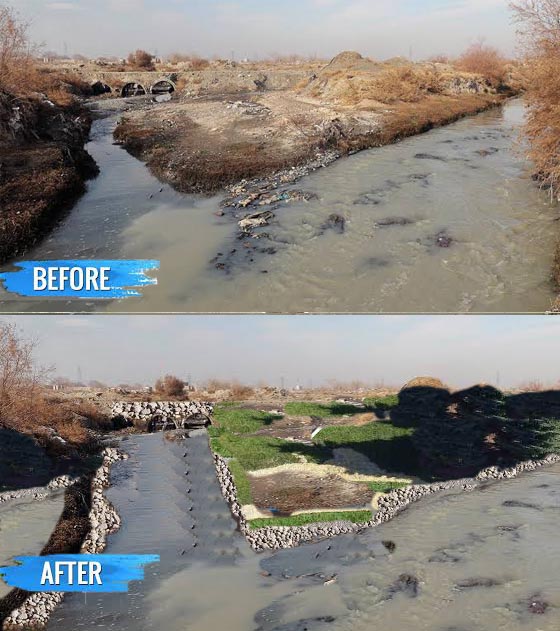
رودخانهها در مسیر حرکت خود بر سطح زمین، بر اثر تغییرات مداوم جریان آب و ویژگیهای طبیعی بستر، دچار پیچوخمها، تراکمها و شکافهایی میشوند که بهتدریج ساختار طبیعی حاشیه رودخانه را شکل میدهند. با گذشت زمان و بهویژه در هنگام وقوع سیلابها یا افزایش ناگهانی دبی جریان، کنارههای رودخانه دچار فرسایش و تخریب میشوند و این امر ضرورت اجرای عملیات ترمیم و تثبیت را افزایش میدهد.
به منظور جلوگیری از گسترش فرسایش و حفظ پایداری سازهای و اکولوژیک رودخانه، اجرای پروژههای مرمت خط ساحلی ضروری است. این پروژهها معمولاً شامل مجموعهای از اقدامات مهندسی و زیستمحیطی نظیر:
سنگچینی و لایهچینی محافظتی در بخشهای آسیبپذیر،
شنریزی و تسطیح بستر برای ایجاد پایداری بیشتر،
درختکاری و کاشت گیاهان بومی جهت تقویت ریشهزایی و ایجاد مقاومت طبیعی در برابر فرسایش.
اجرای صحیح این اقدامات علاوه بر جلوگیری از تخریب بیشتر، به بهبود کیفیت محیط زیست رودخانه، تثبیت خاک، افزایش تنوع زیستی و بازگشت تدریجی محیط به حالت طبیعی نیز کمک میکند. در نتیجه، مرمت دیواره ساحلی نه تنها اقدامی حفاظتی است، بلکه نقش مهمی در حفظ پویایی و سلامت اکوسیستم رودخانه نیز ایفا میکند.
__________________
Riverbank Restoration and Stabilization
As rivers flow across the surface of the land, they undergo continuous changes caused by water dynamics and the natural characteristics of the riverbed. These processes gradually create meanders, bends, and fissures that shape the natural structure of the riverbank. Over time, and especially during floods or sudden increases in discharge, the riverbanks become vulnerable to erosion and degradation, making restoration and stabilization measures increasingly necessary.
To prevent further erosion and preserve both the structural and ecological stability of the river, implementing shoreline restoration projects is essential. These projects typically include a combination of engineering and environmental actions such as:
Stone masonry and protective layering in vulnerable sections,
Gravel placement and bed leveling to increase stability,
Tree planting and the use of native vegetation to strengthen root systems and create natural resistance against erosion.
Proper implementation of these measures not only prevents further degradation but also contributes to improving the river’s environmental quality, stabilizing the soil, enhancing biodiversity, and gradually restoring the ecosystem to its natural state. Therefore, riverbank restoration is not merely a protective intervention—it also plays a vital role in maintaining the dynamism and ecological health of the river system.