
Kashafrud river - رودخانه کشف رود
اینجا درباره رودخانه کشفرود ایران مینویسم
Kashafrud river - رودخانه کشف رود
اینجا درباره رودخانه کشفرود ایران مینویسمدرباره من
 از اونهام که می گم آدم بایست حرف خودشو بزنه، اما یاد گرفتم که هر حرفی رو تو جاش بزنم، اینجا، هرچی می خوام رو می گم
ادامه...
از اونهام که می گم آدم بایست حرف خودشو بزنه، اما یاد گرفتم که هر حرفی رو تو جاش بزنم، اینجا، هرچی می خوام رو می گم
ادامه...
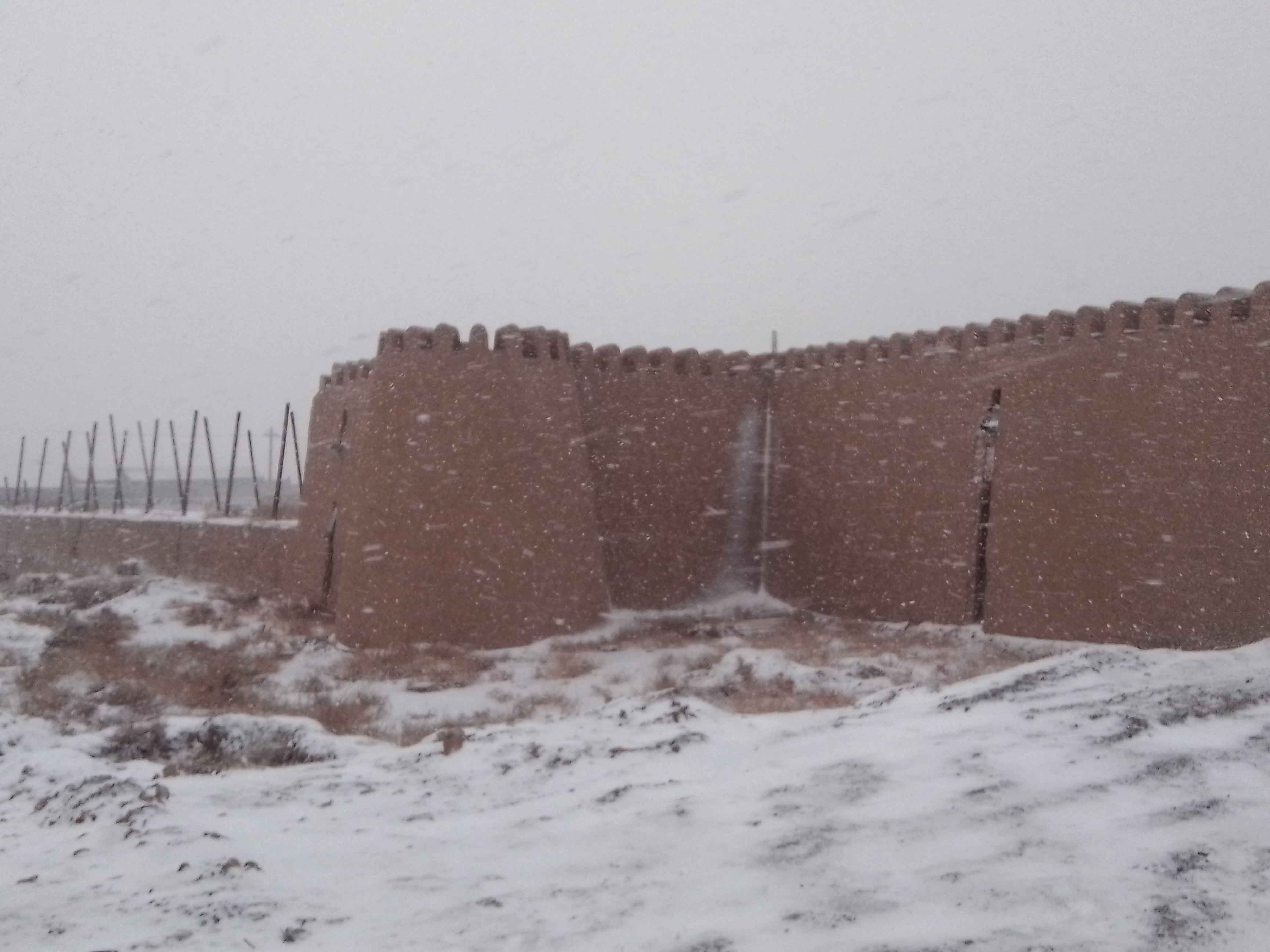
دروازه خینعرب
می پرسید که این بنا چیست؟
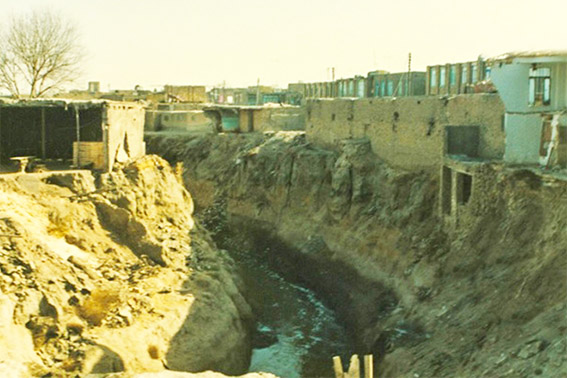
بقایای دروازه خینعرب در سواحل کشفرود است. این بنا که از خشت و گل ساخته شده بود به مرور زمان فروریخته است. سالها بعد از تشکیل اولین حکومت صفویه، کلی آدم از نهر خین به مکانی در نزدیکی توس تبعید شدند. آنها به دلیل شباهت کشفرود به نهر خین، آن را خین عرب نام نهادند. در زمان صفویه رایج بوده است که مخالفان را به استان های مختلف منتقل میکردند. ایران در آن زمان نه استان بیشتر نداشت:
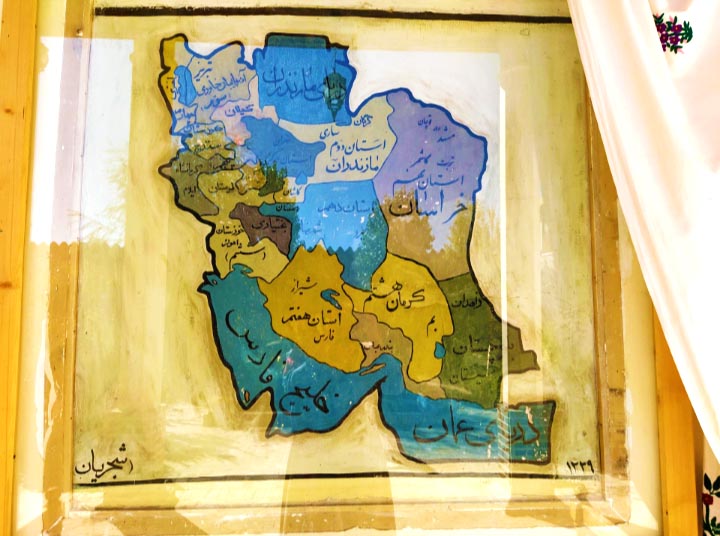
خینعرب در استان نهم کشور ایران، خراسان، قرار داشت. علاوه بر دروازه خینعرب، در نقاط مختلف توس و تابران آن زمان دروازه های متعددی در نقاط ورودی و خروجی کشفرود که مرو را به توس وصل میکرد وجود داشت. از آن جمله دروازه تابران توس است که امروزه بقایای برج های نیم دایره ای آن را جای پل فردوسی میبینید. دروازه سراب و سایر دروازه های نوغان، رودبار و مرو و غیره نیز بوده اند که امروز شهرت دارند.
کشفرود در خینعرب قدیم:
________________
What is this building?
The remains of the Khin-e-Arab Gate are on the banks of the Kashf-e-Rud. This building, which was made of bricks and mud, has collapsed over time. Years after the formation of the first Safavid government, many people from the Khin River were exiled to a place near Toos. They named it Khin-e-Arab because of the similarity of the Kashf-e-Rud to the Khin River. During the Safavid era, it was common to transfer opponents to different provinces. Iran at that time had no more than nine provinces:
Khin-e-Arab was located in the ninth province of Iran, Khorasan. In addition to the Khin-e-Arab Gate, there were numerous gates at the entrance and exit points of the Kashf-e-Rud in various parts of Toos and Tabran at that time, connecting the Merv to Toos. Among them is the Tabran Gate of Toos, whose remains of semicircular towers can be seen today instead of the Ferdowsi Bridge. There were also the Sarab Gate and other gates of Noghan, Rudbar, and Merv, etc. that are famous today.
اردکهای پرنده به روسی
دیروز آلودگی هوا waqi.info رو میدیدم که نوشته سوئد و کشورهای اروپایی در مسیر جریان بادهای اقیانوسی آلودگی پخش کرده بودند. خوندم که اینها در مقیاس بلکه بیشتر از ایران میسوزونند.
کنترل خشکسالی و آلودگی نیازمند بهبود زیرساختهای شهرکهای صنعتی در مقیاس جهانیه. کلا چقدر آلودگی کمه که یک بخشی هم ناشی از سوزاندن اتحادیه اروپا میشه.
نوشته اردکهای پرنده به روسی:
Yesterday I was looking at air pollution waqi.info, which said that Sweden and European countries had spread pollution in the path of ocean winds. I read that they burn more than Iran on a scale.
Controlling drought and pollution requires improving the infrastructure of industrial towns on a global scale. Overall, there is very little pollution, which is partly due to the burning of the European Union.
Written by Flying Ducks in Russian:
Русский:
Кашфрудское озеро
Всемирный день утки
Наблюдать за красивой Чайкавок на Kashafrud, за мигрирующими утками в болотах и игривой лисой среди желтых осенних полей – это лишь часть того, что мы наслаждаемся, проводя несколько часов в изучении болот региона Кашфруд. Каждый год с 31 декабря по 24 января в Хорасане-Разави проводится перепись мигрирующих птиц, включая водоплавающих, береговых и сухопутных птиц. Согласно данным экологической организации, в прошлом году в этом регионе было зафиксировано 40 видов этих птиц, с общим количеством 15 700 особей. Наибольшую численность среди них составил Паток с зелёной головой.
Над электростанцией Шариати летает орел, известный как степной орел. Эта птица, по словам орнитологов, находится под угрозой исчезновения. Смотреть на неё — большое удовольствие, особенно когда она сражается с вороном в небе, как будто пытаясь выгнать его из этой области, которая отчасти является её территорией. Однако причина появления орла в начале пути связана с его охотничьими угодьями, где он питается остатками туш, оставленных в соседнем скотобойне.
Чуть дальше мы видим еще одну хищную птицу. Птицу, которую большинство горожан показывает пальцем на
небе в любое время года, думая, что это орел. Однако Накиби говорит, что это длиннопалый сип. Эта птица меньше орла и встречается в трех цветах: темном, светлом и рыжем.
Термин «перекрёсток уток» относится к местам, через которые утки мигрируют, кормятся, отдыхают или размножаются. Эти места могут включать реки, озера, болота или побережья, где созданы подходящие условия для жизни уток. Утки обычно следуют определенным маршрутам миграции, которые могут привлекать их из-за таких факторов, как погодные условия, источники пищи и безопасность. На этих маршрутах утки часто разделяются на большие или меньшие стаи и могут мигрировать в места, более подходящие для размножения или питания в разные сезоны года.
Эти места также имеют большое значение для исследования естественных местообитаний уток, так как они помогают в защите этих птиц и их среды обитания. Знание миграционных путей уток помогает ученым и экологам лучше заботиться о этих территориях и принимать необходимые меры для защиты уток от различных угроз.
Всемирный день утки — это особенный день, который отмечается по всему миру в честь этих красивых и удивительных птиц. Этот день служит возможностью повысить осведомленность о важности защиты уток и их естественных местообитаний. Утки, как один из видов водоплавающих птиц, играют важную роль в экосистемах воды и суши, помогая контролировать популяцию насекомых, водные растения и даже поддерживать баланс в некоторых экосистемах.
Всемирный день утки обычно отмечается образовательными программами, выставками и мероприятиями по всему миру. Этот день дает любителям природы и экологам шанс узнать больше о проблемах, с которыми сталкиваются эти птицы, таких как загрязнение водоемов, разрушение местообитаний и изменение климата. Также этот день может стать возможностью для сбора средств или организации кампаний по охране уток и других водоплавающих птиц.
Во многих странах этот день празднуется посещением болот, озер и рек, где утки естественно обитают, и люди могут наблюдать за жизнью этих птиц поближе и понять их поведение и потребности. Особенно в местах, через которые мигрируют утки, этот день может стать возможностью для фестивалей и мастер-классов, направленных на сохранение биоразнообразия и повышение общественного сознания о важности этих птиц в различных экосистемах.
В конечном счете, Всемирный день утки — это не просто день праздника, но и момент для размышлений и действий, направленных на сохранение этих видов и защиту глобальной экосистемы для будущих поколений.
خاطره کشفرود
میخواستم دربارهی خرچنگ رودخانه کشفرود بنویسم، اما انگار خودم مثل یه خرچنگ سرگردون وسط بیآبی گیر افتادم! خلاصه، راه افتادم تو دل رودخونه و گشتم دنبال یه نشونه، یه پل، یه چیزی! بالاخره رسیدم به پل چشم گیلاس کشفرود. گفتم: «آها! یه کشف بزرگ!» اما هر جا رو نگاه کردم، دیدم توی هیچ نقشهای ثبت نشده! انگار که این پل هم یه راز مگوی طبیعته، کسی بهش محل نداده، اصلاً پل نیست، سرابه!
راه افتادم دنبال قناتهای اون بالا، رسیدم به رودخانهی فریزی. یه جای باصفا، یه درخت کهنسال داشت که انگار از عهد دایناسورها زنده مونده بود. چشمم به یه قنات افتاد که هیچجا ثبت نشده! یعنی اگه همین الان داد بزنم «اِی مردم! یه قنات کشف کردم!» همه فکر میکنن دارم شوخی میکنم.
_r5y.jpg)
ولی شوخی از اونجایی شروع شد که چشمم افتاد به شرکت شهرکهای صنعتی، دقیقاً کنار رودخونه! انگار این شرکتها یه قدرت عجیبی دارن که هر جا یه رگه سبز باشه، فوری میچسبن بهش و با عشق و علاقه، نابودش میکنن. تو مشهد، تو تهران، تو هر جای دیگه، کافی بوده یه رودخونه پیدا کنن، سریع اونجا شهرک صنعتی بزنن، یه دو سه سال بعدش هم بگن: «عه! رودخونه خشک شد؟ چه عجب!»
آدم فکر میکنه شاید اینجا قراره یه منطقهی گردشگری یا یه پارک ملی بشه، ولی نه، برعکس! نقشه اینه که هرچی آب هست، تو آیندهی نزدیک خشک بشه. قبلاً دربارهی شهرک صنعتی آبادان گفتم که چجوری همه جا رو آلوده کرده، حالا باید بپرسم چناران چه خبره؟
_b381.jpg)
کار به جایی رسیده که بعد از این همه آلودگی، دارن نقشه میکشن که از دریا برای ما آب لولهکشی کنن! خب چرا؟ چرا اون صنعت رو همون اول نبری کنار دریا؟ چرا ما رو میذاری وسط بیآبی، بعد یه خط میکشی که «خب حالا از دریا یه آبی بکشیم این سمت!» اون وقت تازه میگن «برای رودخونه تصفیهخونه میزنیم!» تصفیهخونه برای کی؟ اول باید فولاد و صنعتایی که رودو خشک کردن تصفیه بشن!
بعد خیلی راحت میان میگن: «کشفرود دیگه یه رودخونهی خروشان نیست، یه کال خشکشدهست.» خب معلومه! وقتی صنعت میاد مثل مهمون ناخونده، اول رودو مینوشه، بعدم تهش رو میخوره، چیزی ازش نمیمونه! حالا ما موندیم و یه رودخونهی خیالی که توی نقشههای قدیمی بود، ولی حالا فقط یه خاطرهست!
_________________________
I wanted to write about the crab of the Kashafrud River, but it was as if I was stuck like a crab wandering in the middle of nowhere! In short, I walked into the heart of the river and searched for a sign, a bridge, something! Finally, I reached the Cherry Eye Bridge of the Kashafrud. I said: "Aha! A great discovery!" But wherever I looked, I saw that it was not recorded on any map! It was as if this bridge was also a secret of nature, no one had given it a place, it was not a bridge at all, it was a mirage!
I walked in search of the aqueducts up there, and I reached the Frizi River. It was a beautiful place, with an old tree that seemed to have survived from the age of dinosaurs. I caught sight of a aqueduct that was not recorded anywhere! I mean, if I shouted right now, "Hey people! I discovered a aqueduct!" everyone would think I was joking.
But the joke started when I caught sight of the Industrial Estate Company, right next to the river! It’s as if these companies have a strange power that wherever there’s a green vein, they immediately latch onto it and lovingly destroy it. In Mashhad, in Tehran, anywhere else, all they have to do is find a river, quickly build an industrial estate there, and two or three years later they say: “Oh! The river has dried up? What a surprise!”
One would think that this is perhaps going to become a tourist area or a national park, but no, quite the opposite! The plan is that whatever water there is will dry up in the near future. I’ve already mentioned the Abadan Industrial Estate, how it has polluted everything, now I have to ask, what’s going on with Chenaran?
It’s gotten to the point where, after all this pollution, they’re planning to pipe water from the sea to us! So why? Why move that industry to the sea in the first place? Why do you leave us in the middle of a water shortage, then draw a line saying, "Well, let's draw some water from the sea this way!" Then they say, "We'll build a treatment plant for the river!" Whose treatment plant is it for? First, the steel and industries that dried up the river must be treated!
Then they easily say, "The Kashafarud is no longer a roaring river, it's a dried-up cesspool." Well, you know! When industry comes, like an uninvited guest, it first drinks the river, then eats the bottom, and nothing remains of it! Now we're left with an imaginary river that was in the old maps, but now it's just a memory!
چکاوک کشفرود آرامگاه فردوسی
شنیدم تیم اصفهان تیم قناری بود. برام مهم نبود که چطور اینقدر برای تبلیغ قناریشون می جنگن.
مدتی گذشت و کشف رود از دست رفت.
رفتیم ببینیم چکاوکهایشان که در زاینده رود است را چطور تبلیغ می کنند. نگاه کردم و حتی اسم شرکتشان را چکاوک گذاشتند، چکاوک زاینده رود.
چکاوک رودخانه کشفرود کجاست؟
فکر می کنید نام شرکتشان را چکاوک چه سالی گذاشتند؟
با توجه به اینکه رودخانه کشفرود از محل آرامگاه فردوسی سرازیر می شه، باشگاه فردوسی لوگوی خود را به نام آرم آرامگاه فردوسی نامگذاری کرده. لباس مجلسی قناریه.
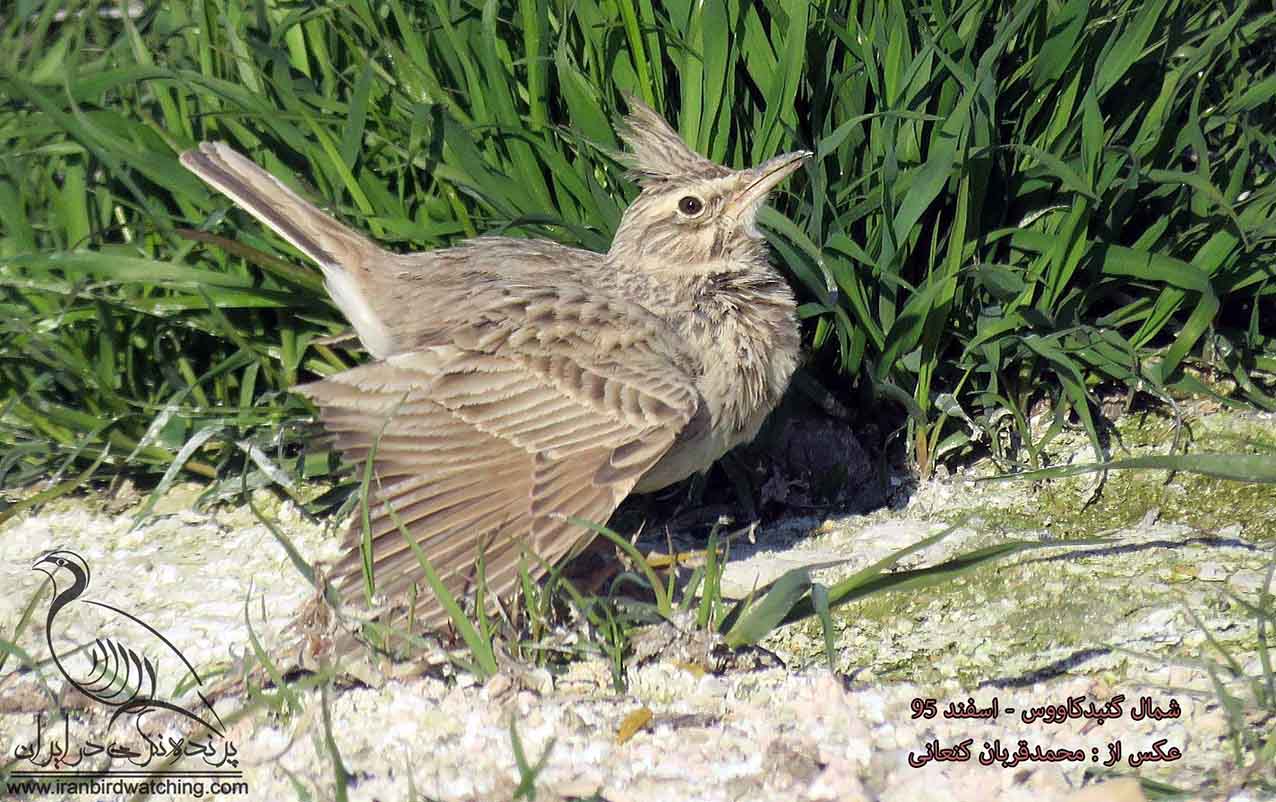
چکاوک از راسته گنجشکسانانه و در طبیعت های مختلف شکل های متفاوتی میگیره. انواع چکاوک بیابانی، گندم زار و غیره داریم
_________________
I heard that the Isfahan team was a canary team. I didn't care how they were fighting so hard to promote their canary.
A while passed and Kashfarud fell out of favor.
We went to see how they were promoting their sky lark, which is the Zayandeh River. I looked and they even named their company sky lark; Chakavak (sky lark) of Zayandeh Rood.
Where is the sky lark of Kashfarud river?
What year do you think they named their company Chakavak?
Considering that a Kashfarud River flows from the site of Ferdowsi's tomb, Ferdowsi Club has named its logo after the logo of Ferdowsi's tomb. The party dress is a canary.
The sky lark is from the order Passeriformes and takes on different forms in different natures. We have desert sky larks, wheat field skylarks, etc.
پل فردوسی شاهنامه -رودخانه کشف
پل فردوسی شاهنامه بر روی رودخانه کشفرود و نزدیک دروازه باستانی تابران قرار دارد. این دروازه از دیرباز به سبب مجاورت با کشفرود رودبار خوانده میشود. فردوسی «کشف رود» را در داستان کیخسرو و فرود و لشکرکشی طوس بن نوذر به مرز توران «کاسه رود» مینامد. تمدن تاریخی در گذشته در کنار این رودخانه شکل گرفته بود.
_dk88.jpg)
دیوارهای تاریخی تابران از محل همین پل و در امتداد رودخانه اساطیری کشفرود (کاسه رودخانه) آغاز می شود و امروز بقایای آجری آن را میبینید.
آن بخش از دیوار که همچون دژی مستحکم ساخته شده داستانی روایت گر دارد. از سمت دیوار که بالاتر و به سمت آرامگاه شاعر بزرگ و احیاگر فارسی (حکیم ابوالقاسم فردوسی) برویم هارونیه و سایر بقایای تاریخی را که در کنار رودخانه شکل گرفته بودند می بینیم. آثاری همچون آسیاب آبی روستای گوارشک از آن جمله است.
حکیم ابوالقاسم فردوسی دختری نیکسیرت داشت که پس از درگذشت پدر باقی بود و با اعمال نیکش در تاریخ ماندگار شد.
دختر فردوسی را باید در ردیف بانوان نیکاندیش و خیّری همچون گوهرشاد و پریزاد بانو بدانیم که آثار خیرخواهانهاش، هنوز در گوشه و کنار خطه هنرپرور خراسان باقی است و در این نوشتار، به برخی از آنها اشاره خواهیم کرد
مستنداتی وجود دارد که نشان میدهد، به احتمال زیاد، پایههای اولیه بند راهبردی گلستان که در تأمین آبادانی و کشاورزی شاهنامه، سهم انکارناپذیری دارد، توسط دختر فردوسی و با صرف بخشی از دستمزد سرایش شاهنامه گذاشته شد. این موضوعی است که میتوان در متون قدیمی، تاریخ شفاهی و پژوهشهای دوران اخیر، مانند مقاله مربوط به بندگلستان در «دایرةالمعارف آستانقدس رضوی»، ردپایی از آن یافت.
دیگر یادگاری دختر فردوسی، پلی بود که روی رودخانه کشفرود ساخته یا به قولی مرمت شد که برخی موقعیت آن را، در نزدیکی پلخاتون میدانند. این پل که امروزه اثری از آن در دسترس نیست، کاربرد فراوانی داشته و باعث کوتاهشدن مسیر مسافرانی میشده که از فرارودان، قصد مسافرت به ایران را داشتند.
رودخانه کشفرود جاذبه گردشگریست که در مسیر آرامگاه فردوسی قرار دارد. در مسیر آن پلی قرار دارد به نام پل فردوسی که بزرگ و ساده است.
عکس پل فردوسی کشفرود:
_qmj9.jpg)
آدرس دقیق پل فردوسی:
خراسان رضوی، بلوار شاهنامه، میدان سپهبد، رودخانه کشفرود (کشف رود)
____________
Ferdowsi Shahnameh Bridge is located on the Kashfrud River and near the ancient Tabaran Gate. This gate has long been called Rudbar because of its proximity to Kashfrud. Ferdowsi calls "Kashfrud" "Kasehrud" in the story of Kaykhosro and the landing and expedition of Tus ibn Nozar to the border of Turan. Historical civilization was formed along this river in the past.
The historical walls of Tabaran begin from the site of this bridge and along the mythical river Kashfrud (Kasehrud), and today you can see its brick remains.
That part of the wall, which was built like a fortified fortress, has a narrating story. From the side of the wall, going higher and towards the tomb of the great poet and Persian revivalist (Hakim Abul-Qasim Ferdowsi), we see Haruniyeh and other historical remains that were formed along the river. Works such as the water mill of the village of Gidartak are among them.
Hakim Abul-Qasim Ferdowsi had a virtuous daughter who remained after her father passed away and remained in history with her good deeds.
We should consider Ferdowsi's daughter among the well-meaning and charitable women like Goharshad and Parizad Banu, whose charitable works still remain in every corner of the artistic region of Khorasan, and in this article, we will mention some of them.
There is evidence that shows that, most likely, the initial foundations of the strategic Golestan dam, which has an undeniable contribution to ensuring the prosperity and agriculture of Shahnameh, were laid by Ferdowsi's daughter, spending part of the salary of the composer of Shahnameh. This is an issue that can be traced in ancient texts, oral history, and recent research, such as the article on the Golestan dam in the "Encyclopedia of Astan Quds Razavi".
Another relic of Ferdowsi's daughter was a bridge that was built or, as some say, restored over the Kashf-Rud River, which some believe is located near Pol-e-Khatun. This bridge, of which no trace is available today, was widely used and shortened the route for travelers who wanted to travel to Iran via the river.
The Kashfrud River is a tourist attraction located on the way to Ferdowsi's tomb. On its way is a bridge called Ferdowsi Bridge, which is large and simple.
Photo of Ferdowsi Bridge, Kashfrud:
Exact address of Ferdowsi Bridge:
Khorasan Razavi, Shahnameh Boulevard, Sepahbod Square, Kashfrud River (Kashfrud)